


 Italiano
 Français
 Deutsch
 Español
 Português
 Svenska
 Suomi
Suomi
Biodynamic Agriculture
What It Is and How to Recognize It
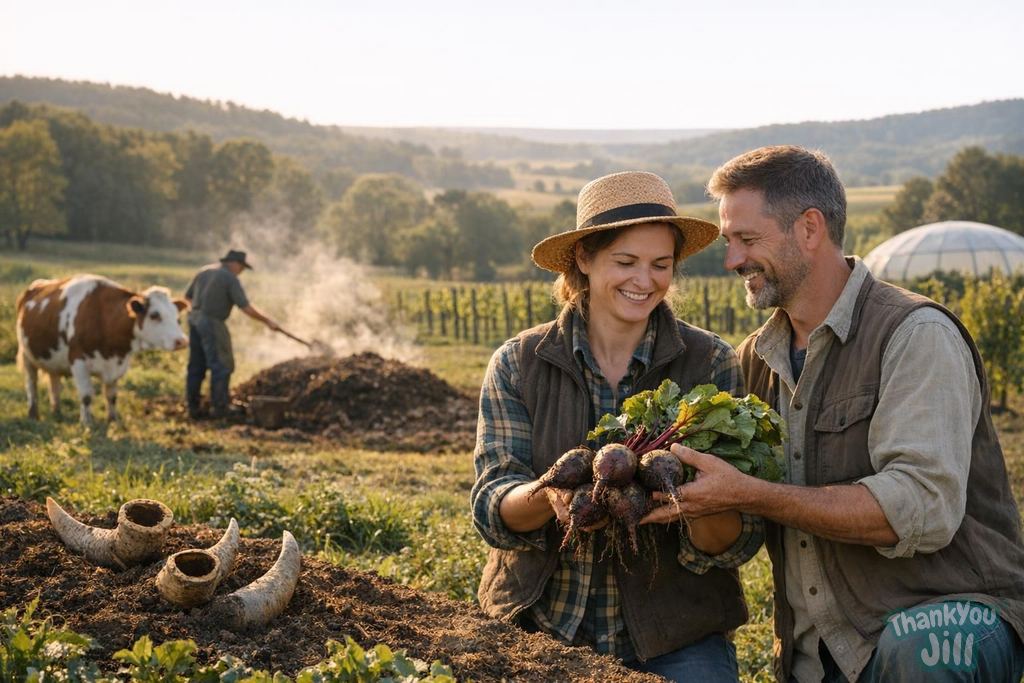
When we talk about sustainable agriculture, organic is the common reference point. But there's an even more radical approach that emerged nearly a century ago, one that treats the entire farm as a self-sufficient living organism: biodynamic agriculture. It fascinates and divides opinion—some see it as the most evolved form of sustainable agriculture, others as a blend of science and mysticism. Understanding it requires curiosity and an open mind.
The Origins: Rudolf Steiner and Anthroposophy
Biodynamic agriculture was born in 1924, when Austrian philosopher Rudolf Steiner delivered a series of lectures to German farmers concerned about declining soil fertility caused by new synthetic chemical fertilizers. Steiner proposed an approach that integrated spiritual observations with concrete agricultural practices, based on his philosophy of anthroposophy.
The fundamental principle is that the farm is an individual, a closed ecosystem that must achieve self-sufficiency: the soil nourishes plants, plants nourish animals, animals return manure to the soil. No external synthetic inputs, no dependence on industrial supplies.
Key Principles of Biodynamics
Farm self-sufficiency: the goal is to produce internally everything needed, including manure, compost, and plant protection preparations. The ideal farm maintains a balance between cultivated area and livestock.
Biodynamic preparations: these are the most characteristic and controversial part of biodynamics. Preparation 500 (fermented cow manure in a bovine horn buried over winter) is diluted in water and dynamized (vigorously stirred) before being sprayed on the soil. Preparation 501 (ground quartz) is sprayed on plants to stimulate photosynthesis. Other preparations exist based on medicinal plants (valerian, chamomile, dandelion) for compost.
Biodynamic calendar: agricultural activities (sowing, pruning, harvesting, transplanting) are planned according to a calendar that takes into account lunar and planetary positions. There are "root," "flower," "leaf," and "fruit" days considered more favorable for specific activities. Scientific research on this aspect is limited and controversial, but many biodynamic farmers report positive results.
What Science Says About Biodynamics
The scientific debate is open. Some aspects of biodynamics have found research support: soil fertility in biodynamic systems is generally high, biodiversity is promoted, farm autonomy reduces dependencies and vulnerabilities. Studies from the Research Institute of Organic Agriculture (FiBL) show that biodynamic soils often have greater biological activity compared to the same soils managed with standard organic methods.
The most controversial aspects remain the preparations (the mechanism of action cannot be explained by conventional biochemistry) and the lunar calendar (study results are contradictory). Biodynamics is a mix of excellent agronomic practices and non-provable philosophical principles: separating them is intellectually honest.
Demeter Certification: How to Recognize It
Demeter International is the organization that certifies biodynamic products worldwide, present in over 50 countries. The Demeter logo (with text and geometric symbol) is the guarantee that the product was grown respecting the complete biodynamic standard, more restrictive than standard European organic.
To obtain Demeter certification, a farm must first obtain European organic certification, then comply with additional biodynamic requirements: at least 10% of the area dedicated to biodiversity, integrated livestock farming (minimum animals per hectare), use of biodynamic preparations, planning according to the calendar. The certification process requires years of conversion.
Biodynamics and Wine: An Emblematic Case
The most visible and successful application of biodynamics is in viticulture. Some of the world's most awarded and appreciated wines come from biodynamic vineyards: Domaine de la Romanée-Conti in Burgundy, Chateau Pontet-Canet in Bordeaux, Zind-Humbrecht in Alsace. Many winemakers argue that biodynamic wines express "terroir" in a purer and more characteristic way. Comparative scientific research is still limited, but consensus among high-quality producers is growing.

Biodynamics asks us to listen to the earth rather than command it. Whether or not you believe in horn preparations, the result is living soil, healthier plants, richer food. The rest is philosophy.
How to Find Certified Biodynamic Products
Look for the Demeter logo on the label: it's the official certification. On the demeter.net website you can find the complete list of certified producers by country and category. In Italy, specialized organic shops and some natural food stores have dedicated Demeter sections. Some organic supermarkets (NaturaSì, for example) also stock selected Demeter products.
Biodynamic vs. Organic: When the Premium Is Worth It
Biodynamic products cost on average 10-20% more than standard organic. Is the difference worth it? For everyday use and basic products, the documented nutritional difference doesn't always justify the extra price. For products where soil truly makes a difference, like wine, extra virgin olive oil, and grains, biodynamic can offer superior organoleptic and nutritional quality. Experiment with specific products you love and evaluate for yourself.
Visit a Biodynamic Farm
The best understanding of biodynamics comes from direct experience. Many certified biodynamic farms organize visits, open days, or courses. Seeing living soil, feeling the producer's philosophy, tasting products directly from the source is an experience no article can replace. Search for Demeter farms in your region and contact them: most welcome curious visitors warmly.
Frequently Asked Questions
What is the main difference between biodynamic and organic agriculture?
Biodynamic agriculture considers the farm as a self-sufficient living organism, integrating spiritual practices and specific preparations, while organic focuses mainly on natural methods without chemical inputs, without the mystical aspect and lunar calendar.
How do you recognize a certified biodynamic product?
Certified biodynamic products bear the Demeter logo, which guarantees compliance with a standard more restrictive than organic, including the use of biodynamic preparations, biodiversity, and planning according to the lunar calendar.
When is it worth choosing biodynamic products over organic ones?
Biodynamic costs 10-20% more and is especially worthwhile for products like wine, extra virgin olive oil, and grains, where organoleptic and nutritional quality can be superior to standard organic.
What happens if you follow the biodynamic calendar guidelines in agricultural activities?
Following the biodynamic calendar, which is based on lunar and planetary phases, can improve plant growth and health according to farmers, although scientific research on these effects is limited and controversial.

Latest News



Comments
No comments yet. Be the first!
Leave a comment