


 Italiano
 Français
 Deutsch
 Español
 Português
 Svenska
 Suomi
Suomi
Pseudocereals
Quinoa, Amaranth, Buckwheat
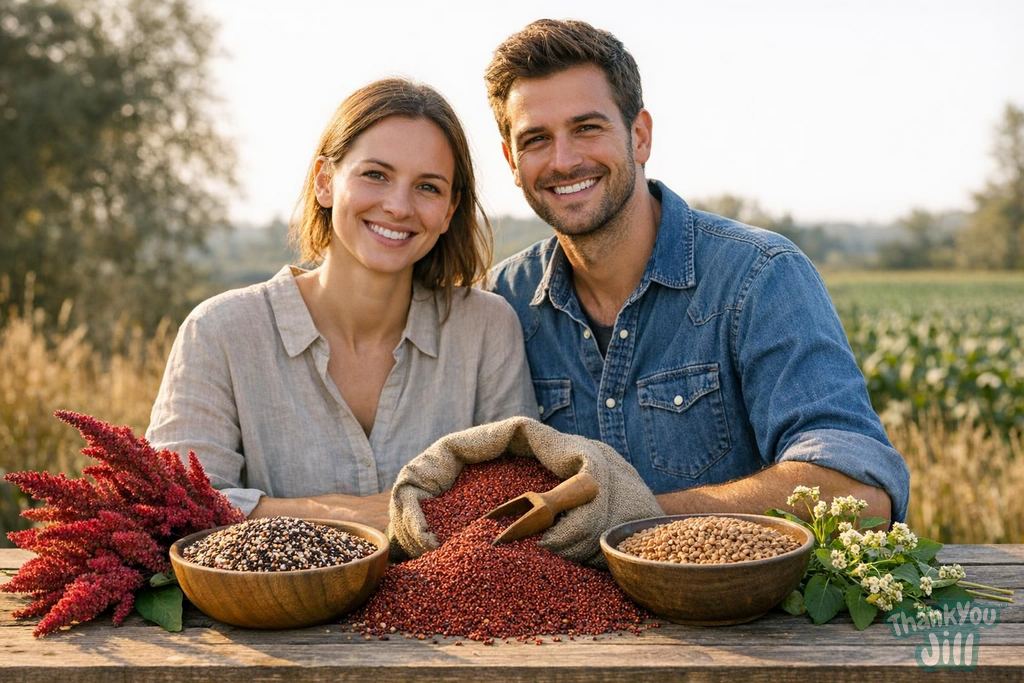
Calling them "alternative cereals" is technically wrong. Quinoa, amaranth, and buckwheat are pseudocereals: plants from botanical families completely different from the Graminaceae family, which produce starchy seeds used in cooking like true cereals. This botanical difference brings nutritional advantages that traditional cereals cannot offer: first and foremost, the presence of all nine essential amino acids in balanced proportions—a trait extremely rare in the plant world.
Quinoa: The "Mother of All Seeds" from the Andes
Quinoa (Chenopodium quinoa) was the sacred grain of the Incas, cultivated on the Peruvian and Bolivian Andes for over 5,000 years. Its "rediscovery" by the West in the 1980s and 1990s transformed it into one of the world's most sought-after superfoods, with both positive consequences (revitalization of traditional Andean agriculture) and negative ones (price increases that made quinoa inaccessible to local populations who depended on it).
Quinoa's nutritional profile is extraordinary for a plant-based food. Complete proteins: it contains all 9 essential amino acids, including lysine, which is normally scarce in cereals. Per 100g of cooked quinoa: 4.4g of protein, 21g of carbohydrates, 2.8g of fiber, 1.9g of fat. Iron (1.5 mg/100g cooked), magnesium (64 mg/100g), zinc, potassium. Naturally gluten-free.
Saponins: quinoa is covered with saponins, bitter compounds naturally protective against insects. Before cooking, it must be rinsed thoroughly under running water until the water runs clear, to eliminate saponins that would otherwise leave an unpleasant bitter aftertaste. Pre-washed quinoa in bags (available in many supermarkets) has already undergone this process.
Amaranth: The Grain of the Maya and Aztecs
Amaranth (Amaranthus hypochondriacus) was equally sacred to pre-Columbian Mesoamerican civilizations. When Spanish conquistadors arrived, they prohibited amaranth cultivation to break religious ties with indigenous populations. This decision contributed to its near disappearance. Today it's experiencing a full revival, especially in Latin America and India.
Amaranth has the highest protein content among pseudocereals (14-16g per 100g of dry seeds), with a complete amino acid profile. It's exceptionally rich in calcium: 215 mg per 100g of seeds, much more than cow's milk per unit of weight. It also contains squalene (a rare antioxidant in plant foods), iron, magnesium, and zinc. Gluten-free.
In the kitchen: amaranth seeds are cooked in water (1 part seeds to 2.5 parts water, 20 minutes). They can be popped (like popcorn) and used as a breakfast cereal. Amaranth flour is used for cookies, bread (blended with other flours), and pancakes. It has a slightly earthy and nutty flavor.
Buckwheat: The Gluten-Free Grain of Northern Europe
Buckwheat (Fagopyrum esculentum) originated in Central Asia and arrived in Europe in the 14th-15th centuries through trade routes. In Italy, it found fertile ground in Valtellina (pizzoccheri, polenta taragna) and in some areas of Friuli. It's a completely gluten-free pseudocereal, usable by those with celiac disease (if certified gluten-free).
Nutritional profile: complete proteins with good content of lysine and arginine, rutin (a flavonoid with documented effects on capillary fragility and hypertension), quercetin, magnesium, manganese. Low GI (40-50). Buckwheat flour gives a characteristic dark color to doughs and an intense, rustic, slightly bitter flavor that not everyone enjoys at first but becomes deeply appreciated with practice.
How to Include Them in Your Daily Diet
Quinoa: as a base instead of rice (similar cooking time, 15 minutes), in cold salads, in morning porridge with fruit, in veggie burgers. Puffed amaranth: as a topping for yogurt and smoothie bowls, mixed with nuts and dried fruit as granola. Buckwheat: pizzoccheri with cabbage and cheese (classic Aosta Valley recipe), kasha (toasted buckwheat cooked in broth), buckwheat crêpes, alternative polenta.
Nutritional Comparison with White Rice
White rice is the most consumed grain in the world and one of the most nutritionally poor among cereals: after refinement, it's almost pure starch. Comparison per 100g cooked: protein (rice 2.7g vs. quinoa 4.4g), fiber (rice 0.4g vs. quinoa 2.8g), iron (rice 0.2mg vs. quinoa 1.5mg), calcium (rice 3mg vs. amaranth 47mg). Replacing one or two servings of white rice per week with a pseudocereal is one of the dietary changes with the best simplicity-to-nutritional-impact ratio.

Quinoa, amaranth, and buckwheat are survivors of ancient civilizations that had already discovered the perfect food. Rediscovering them today isn't a trend: it's reclaiming nutritional roots that industrial wheat made us forget.
Quinoa in Your Morning Porridge
Try this swap: cook quinoa in plant-based milk (or water) instead of oatmeal. One part quinoa to two parts liquid, 15 minutes on low heat. Add fresh fruit, cinnamon, a teaspoon of honey or maple syrup. Compared to typical breakfast cereals, it has more protein, more iron, more fiber, and no gluten. A breakfast that keeps you satisfied until lunch without any energy crashes.
Quinoa Salad as a Complete Summer Meal
Cook 80g of quinoa and let it cool. Add: cherry tomatoes cut in half, diced cucumber, scallions, fresh parsley or mint, cooked chickpeas (or beans), and a handful of broken walnuts. Dress with extra virgin olive oil and lemon juice. It's a complete meal: pseudocereal + legumes = complete plant-based proteins, fiber, healthy fats. Takes 20 minutes to prepare, travels well to the office, and keeps you satisfied for hours.
Where to Buy Quality Pseudocereals
European-sourced quinoa (Italy, Spain, and France increasingly grow quinoa) has lower environmental impact from transportation compared to Andean varieties. Check the origin on the label. Italian amaranth (grown in some areas of northern Italy) is still rare but available online from specialty producers. Italian buckwheat is easily found in health food stores, often from Valtellina or Friuli production.
For Those Following a Gluten-Free Diet
Quinoa, amaranth, and buckwheat are naturally gluten-free but must be certified gluten-free for those with celiac disease: cross-contamination in processing facilities is the main risk. Always look for the crossed-out grain symbol on the package if you're celiac. Buying from brands specializing in gluten-free products minimizes contamination risk.
Frequently Asked Questions
What are the nutritional advantages of pseudocereals compared to traditional cereals?
Pseudocereals like quinoa, amaranth, and buckwheat offer complete proteins with all essential amino acids, are gluten-free, and contain minerals like iron, magnesium, and calcium in higher quantities compared to traditional cereals, improving overall nutritional profile.
How should quinoa be prepared to eliminate the bitter aftertaste caused by saponins?
Quinoa must be rinsed thoroughly under running water until the water runs clear to eliminate saponins, bitter compounds present on the surface that impart an unpleasant flavor. Alternatively, you can purchase pre-washed quinoa.
When is it worth replacing white rice with pseudocereals in your daily diet?
Replacing one or two servings of white rice per week with pseudocereals like quinoa or amaranth is recommended to improve protein, fiber, and mineral intake, achieving significant nutritional impact with a simple and healthy change.
How to choose pseudocereals suitable for a gluten-free diet for those with celiac disease?
For those with celiac disease, it's essential to choose pseudocereals certified gluten-free, recognizable by the crossed-out grain symbol, to avoid cross-contamination during processing. Choosing specialized brands reduces contamination risk.


Latest News




Comments
No comments yet. Be the first!
Leave a comment