

 English
 Italiano
 Français
 Deutsch
 Español
 Português
 Svenska
 Suomi
Suomi
Eggs
Label codes and animal welfare
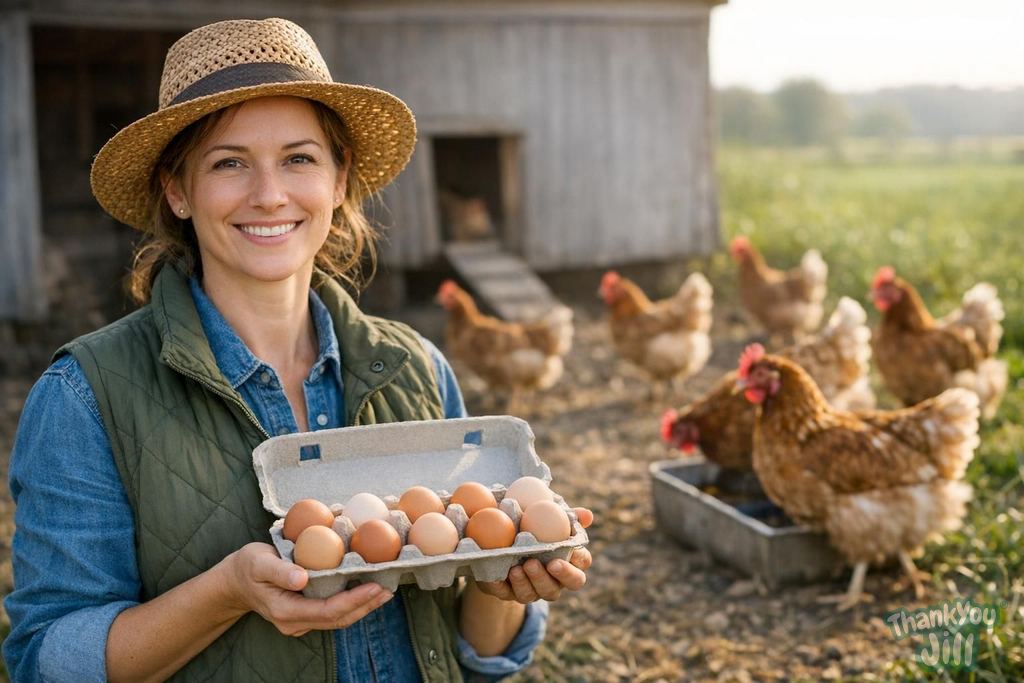
Eggs are among the most nutritious and versatile foods available. Complete high-quality proteins, vitamin D, vitamin B12, choline (essential for brain function), lutein and zeaxanthin (eye health), omega-3 (if hens are pasture-raised or fed enriched diets): an egg is a concentrated source of nutrients in just a few grams. But not all eggs are equal, and the eggs themselves tell you everything you need to know about the animal that produced them.
How to read the code stamped on an egg
Every egg sold in Europe has a mandatory alphanumeric code stamped on it that provides complete information about its origin. The format is: X-IT-YYYYYYY, where X is the farming method code, IT is the country code, and YYYYYYY is the unique farm identification code.
The first number—the one that changes everything—indicates the farming system: 0 = organic farming, 1 = free-range farming, 2 = barn farming (in a shed, with no outdoor access), 3 = enriched cage farming. This number is all you need to make a conscious choice.
Code 3: Enriched cages
Enriched cages are the standard form of intensive farming. Each hen has about 750 cm² of space available (slightly less than an A4 sheet of paper). The "enriched" cages compared to old battery cages include a nest box, a perch, and a scratching area, but the space is so limited that these features are barely usable. Hens never go outside.
From a nutritional standpoint, cage eggs are not significantly different from barn or free-range eggs for most nutrients. From an animal welfare perspective, the difference is enormous: caged hens cannot express natural behaviors and experience high levels of chronic stress.
Code 2: Barn farming
Barn-farmed hens have no cages but live in large sheds with no outdoor access. They have more space than cages (up to 9 hens per square meter), can move around, scratch, build nests, and interact socially. No access to natural light or fresh air. This system reduces density compared to cages but doesn't change the fact that hens never go outside.
Code 1: Free-range farming
Hens have access to outdoor space (at least 4 m² per hen). They can go outside, scratch in the soil, eat grass and insects, and express natural behaviors. Outdoor access is limited during daylight hours. Feed is based on commercial feed (grains, soy), not just pasture. Free-range eggs have slightly higher omega-3 content than cage eggs, more vitamin D (from sunlight exposure), and more vitamin E.
Code 0: Organic eggs
Organic eggs require: outdoor access with at least 4 m² per hen (like free-range), certified organic feed (no pesticides, GMOs, or preventive antibiotics in feed), and lower indoor density (max 6 hens per m² instead of 9). Organic eggs have the best nutritional profile on average: more omega-3, more vitamin D, more vitamin E compared to conventional eggs. They're also the most expensive.
The shell color myth
Shell color (white or brown) says nothing about the farming method, nutritional quality, or the hen's diet. It's determined by breed: white Leghorn hens produce white eggs, Rhode Island Red hens produce brown eggs. Shell color is irrelevant to quality. Yolk color, on the other hand, reflects diet: bright orange yolks indicate access to grass, insects, and natural carotenoids; pale yellow yolks indicate a diet based mainly on grains without outdoor access.
How many eggs to eat: a review of dietary guidelines
For decades, people were advised to limit eggs due to cholesterol concerns. Research over the last 15 years has significantly changed this recommendation. Large-scale studies show that for healthy adults, consuming up to one egg per day does not increase cardiovascular risk. Dietary cholesterol has less impact on blood cholesterol than once thought (saturated and trans fats are the main culprits). The latest American Heart Association guidelines no longer set a strict weekly egg limit for healthy adults.

The code on an egg is the voice of the hen you cannot hear. A 0 or 1 at the beginning means that animal has seen the sun, scratched in the soil, and lived like a hen. It's a small choice with big meaning.
The simple rule: always aim for 1 or 0
When you pick up eggs at the supermarket, look at the first number on the carton (shown on the packaging, not just on the egg): 0 or 1 means hens with outdoor access. The price difference compared to cage eggs is often 50-80 cents per dozen: about 6-7 cents per egg. Six or seven cents for an action that improves animal welfare, slightly increases nutritional quality, and supports farms with better practices.
Where to buy eggs with the best guarantees
Farmers' markets with local producers are your best source: you can ask directly how the hens live, and often visit the farm. Eggs from "backyard" hens or small local farms are often fresher and higher quality than industrial organic eggs. Always check the laying date or expiration date: fresh eggs (less than 7 days old) have a rounder yolk and firmer whites.
The water freshness test
Immerse the egg in a glass of water. If it sinks and stays horizontal on the bottom: very fresh (1-7 days old). If it sinks but tilts point-up: still good but not very fresh (7-21 days old). If it floats: stale, don't use it. This test works because as an egg ages, it loses moisture and the internal air cell expands, reducing overall density.
How to cook them while preserving nutrients
Cooking eggs reduces some B vitamins (B1 and B5 decrease) but increases protein bioavailability: cooked egg proteins are absorbed at about 91%, raw egg proteins at about 51%. Overcooked yolks oxidize fats and carotenoids. Ideal cooking: soft-boiled eggs (whites cooked, yolk still runny) or poached eggs preserve yolk nutrients. Light omelets with minimal oil are excellent. Avoid high-temperature frying, which oxidizes yolk fats.
Frequently asked questions
How do I read the code stamped on an egg to understand the farming method?
The first number of the code on an egg indicates the farming method: 0 for organic, 1 for free-range, 2 for barn farming, 3 for enriched cages. This number is essential for choosing eggs from hens with better living conditions.
What's the nutritional difference between organic and cage eggs?
Organic eggs contain on average more omega-3, vitamin D, and vitamin E compared to cage eggs. Organic feed and outdoor access improve the nutritional profile, while cage eggs have similar values but lower animal welfare.
How can I tell if an egg is fresh using the water test?
Immerse the egg in water: if it sinks and stays horizontal it's very fresh (1-7 days); if it sinks but points up it's still good (7-21 days); if it floats it's stale and shouldn't be used. This test works because the air cell inside grows larger as the egg ages.
How much does eating one egg a day affect cardiovascular risk?
Recent studies show that for healthy adults, consuming up to one egg per day does not increase cardiovascular risk. Dietary cholesterol has less impact than saturated and trans fats, so there's no need to strictly limit consumption.


Latest News




Comments
No comments yet. Be the first!
Leave a comment