


 Italiano
 Français
 Deutsch
 Español
 Português
 Svenska
 Suomi
Suomi
Fish
Sustainability, MSC certifications, and mercury
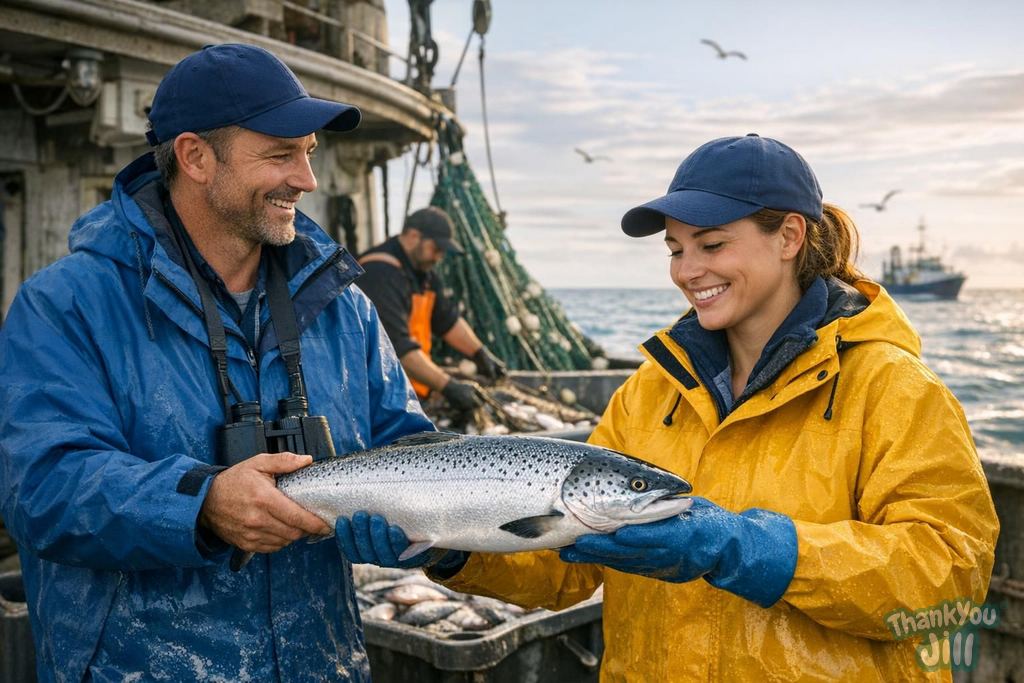
Fish is an extraordinary food: complete high-quality proteins, omega-3 EPA and DHA (the most bioavailable forms), vitamin D, iodine, selenium. Nutritional guidelines in every industrialized country recommend eating it at least 2-3 times a week. But the planet's oceans are under growing pressure: 34% of global fish stocks are exploited at unsustainable levels, 60% are exploited to the maximum. And some species accumulate mercury and other contaminants at levels that require attention. Choosing the right fish is an act that concerns both your health and the health of the oceans.
Sustainability certifications: what they mean
MSC (Marine Stewardship Council) certification is the international gold standard for sustainable wild-capture fishing. The MSC logo (a stylized white fish on a blue background) guarantees that the catch comes from stocks managed to allow natural reproduction, that fishing practices minimize damage to the ecosystem, and that the entire chain of custody (from boat to packaging) is traced and verified by independent third parties.
Not all sustainable fish products have MSC certification (the process is expensive for small fishermen). Certification is important for mass-market products where the supply chain is long and difficult to verify personally. For fish purchased directly from a local fisherman or at a fresh fish market, the direct relationship can substitute for certification.
For aquaculture (farmed fish), the equivalent certification is ASC (Aquaculture Stewardship Council): it guarantees responsible farming practices for the environment and working conditions.
Mercury: which fish to avoid or limit
Methylmercury is a neurotoxin that accumulates in fish tissues through the food chain (bioaccumulation). Large, long-lived fish that eat many smaller fish accumulate the highest concentrations. High-mercury fish to avoid or strongly limit: bluefin tuna, swordfish, shark (porbeagle, blue shark), marlin, king mackerel. For these fish, EFSA recommends a maximum of 1-2 servings per week for healthy adults, and advises against them for pregnant women, children, and adolescents.
Low-mercury fish, excellent for regular consumption: sardines, anchovies, Atlantic mackerel (not king), herring, clams, mussels, squid, shrimp. Salmon (wild or responsibly farmed): low mercury levels, very high omega-3. These are the fish to prefer for frequent consumption.
Canned tuna: how much to eat
Canned tuna is the most consumed fish product in Italy. The tuna used for canned products is mainly albacore tuna (Thunnus alalunga) or skipjack tuna, species with much lower mercury content than bluefin tuna. However, mercury is present: EFSA recommends for canned tuna a maximum of 2-3 servings per week for adults, 1-2 for children under 14 years old, and a maximum of 1 for pregnant women.
Fish omega-3s: why they're irreplaceable
DHA (docosahexaenoic acid) and EPA (eicosapentaenoic acid) are long-chain omega-3s found almost exclusively in fatty fish. Plant-based omega-3s (ALA, in flaxseed oil, walnuts) are converted by the body to EPA and DHA with very low efficiency (only 5-15%). To meet your DHA and EPA needs, fatty fish is practically irreplaceable for those who don't take specific supplements. Sardines, mackerel, salmon, anchovies: 2-3 servings per week cover omega-3 needs for the vast majority of adults.
Fresh, frozen, or canned fish: which to prefer
Fish frozen at sea (often labeled "frozen at sea") is often fresher than the "fresh" fish at the counter: it's rapidly frozen at -18°C within hours of catch. The "fresh" fish you see at the market may have spent 2-5 days traveling between capture, port, fish market, and counter. The nutritional quality (omega-3, proteins) of high-quality frozen fish is equivalent to fresh. Frozen fish is also often more economical and reduces waste.

The ocean is not infinite: we fish more than it can regenerate. Every time you choose local sardines instead of bluefin tuna, you're voting for an ocean that will still nourish us in twenty years. The right choice is also the most nutritious.
Quick guide to sustainable and safe fish
Choose often: sardines, anchovies, mackerel, herring, mussels, clams, anchovies, oily fish in general (economical, very high omega-3, abundant species). Choose in moderation (1-2 times per week): canned tuna, ASC-farmed salmon, MSC shrimp. Reduce or avoid: bluefin tuna (overfished, high mercury), swordfish (very high mercury), fish products without origin indication.
Look for the MSC logo at the supermarket
The MSC logo is present on an increasing number of fish products in Italian retail: canned tuna from certain brands, frozen fillets, cod. Not all sustainable products have it (small fisheries often can't afford certification), but when you see it on an industrial product it's a real and verifiable guarantee: the MSC website has a database of all certified products that consumers can consult.
Italian oily fish: the most sustainable and nutritious choice
Oily fish (sardines, mackerel, anchovies, herring) is the most sustainable fish in the Mediterranean: abundant species, short life cycle, low position in the food chain (low mercury accumulation), very high omega-3 content. It costs very little, cooks in minutes (grilled, baked, stewed), and has an extraordinary Italian culinary tradition. It's the smartest choice for frequency, health, and sustainability.
For pregnant women: the safe protocol
Pregnant and breastfeeding women, children under 12 years old: avoid swordfish, bluefin tuna, shark, marlin. Limit canned tuna to 1 serving per week. Freely consume sardines, salmon (wild or ASC), shrimp, clams, mussels: sources of essential DHA for fetal and infant brain development, without significant mercury risk.
Frequently asked questions
How do you recognize a fish product with MSC certification and why is it important?
The MSC logo, a stylized white fish on a blue background, indicates that the fish comes from sustainably managed stocks, with fishing practices that minimize environmental impact and a supply chain traced and verified by independent third parties. It's important to guarantee the sustainability and safety of the product.
Which fish is better to avoid or limit to reduce mercury exposure?
It's recommended to avoid or limit large, long-lived fish such as bluefin tuna, swordfish, shark, marlin, and king mackerel, as they accumulate high levels of mercury. EFSA recommends a maximum of 1-2 servings per week for adults and advises against them for pregnant women, children, and adolescents.
When is it better to prefer frozen fish over fresh?
Fish frozen at sea, rapidly frozen at -18°C, often maintains superior freshness and nutritional quality compared to fresh fish that may have undergone several days of transport. It's also more economical and helps reduce food waste.
How to choose fish richest in omega-3 and safe for frequent consumption?
For regular consumption, it's better to choose fish low in mercury and rich in omega-3 such as sardines, anchovies, Atlantic mackerel, herring, wild salmon, or responsibly farmed salmon. These fish meet EPA and DHA needs without significant risks.

Latest News




Comments
No comments yet. Be the first!
Leave a comment