

 English
 Italiano
 Français
 Deutsch
 Español
 Português
 Svenska
 Suomi
Suomi
Extra Virgin Olive Oil
How to Recognize Quality from the Label
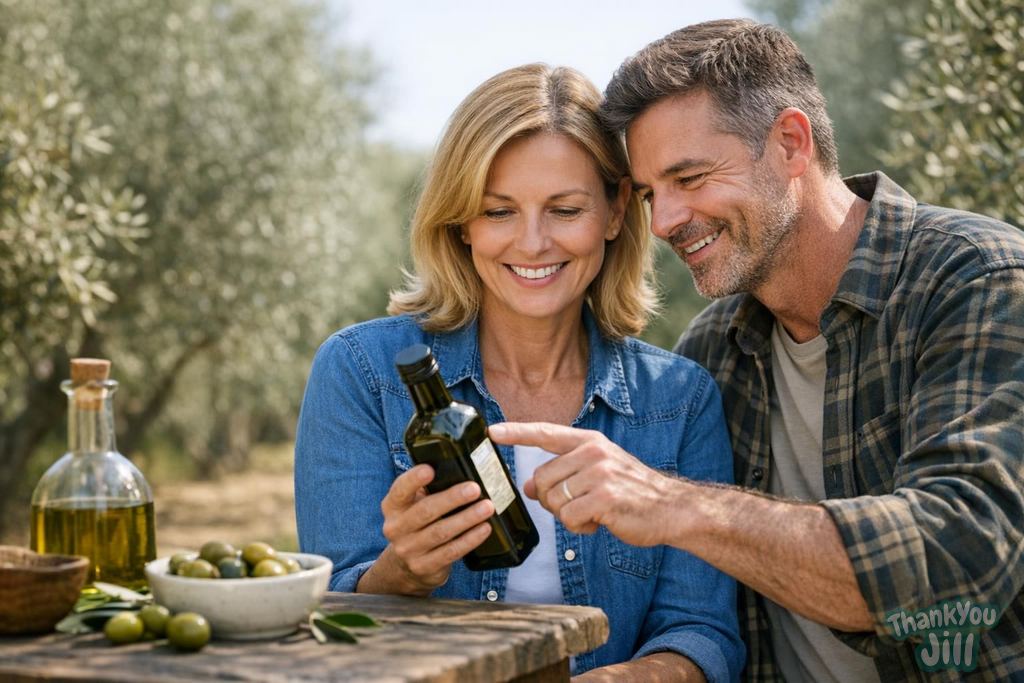
Extra virgin olive oil is the heart of the Mediterranean diet and one of the foods with health benefits best documented by scientific research. But it's also one of the most adulterated products in the world: a European Commission investigation estimated that 30-50% of oil sold as extra virgin doesn't meet the quality parameters for that category. Blends of refined lampante oils, pomace oil, deodorized seed oil with chlorophyll: labeled as "extra virgin" at rock-bottom prices. Learning to recognize quality oil is an act of protecting both your health and tradition.
What "Extra Virgin" Really Means
The classification of olive oils is regulated by EU Regulation 1348/2013. Extra virgin olive oil (EVO) must meet precise chemical and sensory criteria: maximum free acidity of 0.8% (as oleic acid), peroxide value maximum 20 meq O2/kg (oxidation indicator), absence of sensory defects in panel testing (sensory evaluation by certified tasters), presence of at least one positive attribute (fruity, bitter, peppery).
"Virgin" oil has acidity up to 2% and may have slight sensory defects. "Olive oil" (without specifications) is a blend of refined and virgin oil: it has lost almost all polyphenols and bioactive compounds during refining. Olive pomace oil is extracted with solvents from processing residues. The nutritional differences are enormous.
Polyphenols: Why Quality Extra Virgin Is Good for You
Quality extra virgin is rich in polyphenols: oleocanthal, oleuropein, hydroxytyrosol, tyrosol. These compounds have anti-inflammatory, antioxidant, and cardiovascular effects documented by hundreds of clinical studies. Oleocanthal inhibits the same enzymes (COX-1 and COX-2) as ibuprofen, though at normal dietary consumption doses. Regular consumption of high-quality extra virgin is associated with reduced cardiovascular risk, protection from cognitive decline, and systemic anti-inflammatory effects.
But polyphenols degrade rapidly with heat, light, time, and refining. Stale oil, or "extra virgin" made from poor-quality olives or processed poorly, has few polyphenols. Polyphenol content is the main difference between quality EVO and mediocre oil.
How to Read the Extra Virgin Olive Oil Label
Harvest year: optional but essential information. Oil is at its best quality within 18 months of harvest. If there's no harvest year, you don't know how old it is. Acidity: optional information. If stated and below 0.3%, it's a sign of quality superior to the legal minimum. Origin of olives: if it says "Produced in Italy" with a specific region (Sicily, Tuscany, Puglia, etc.) or "100% Italian," the olives come entirely from Italy. If it generically says "blend of olive oils of EU and non-EU origin," the olives could come from anywhere. Mill: if the producer and mill coincide or are in the same territory, the supply chain is short and controlled. Cultivar indicated: a sign of high craftsmanship. Polyphenol number: it will likely become mandatory in the future. Today some quality producers indicate it voluntarily: above 250 mg/kg is excellent.
Price as an Imperfect but Real Indicator
Producing a liter of quality extra virgin olive oil costs the producer at least 6-8 euros (harvesting, pressing, bottling). Oil sold at 3-4 euros per liter at the supermarket can't cover these costs with quality Italian olives: either the olives are lower quality, they come from countries with very low labor costs, or there's adulteration. It's not always the case, but it's market reality. Medium-to-high quality extra virgin should cost 8-15 euros per liter. Artisanal single-cultivar oils of excellence range from 15 to 40 euros.
How to Store Oil to Preserve Quality
Light, heat, and oxygen are oil's enemies. Store in dark bottles (dark glass or tin), away from heat sources (not near the stove), at temperatures between 14 and 18°C. Once the bottle is opened, consume within 2-3 months. Don't buy large quantities if you don't use much: you save on price but stale oil is worse than fresh lower-quality oil.

Quality extra virgin olive oil isn't a condiment: it's a natural medicine that the Mediterranean diet has used for three thousand years. One tablespoon a day of polyphenol-rich oil is worth more than many supplements. But it must be genuine, fresh, and well-stored.
Quick Sensory Test to Evaluate Oil
Pour a tablespoon of oil into a small glass. Warm it with your hands for a few seconds. Smell it: it should have a fruity, herbaceous, fresh olive aroma. No smell of rancidity, used frying oil, ink, or plastic. Taste it: it should have a bitter note (polyphenols present) and a peppery sensation in the throat (oleocanthal). If it's completely neutral and odorless, it's not quality oil, regardless of the label. Bitterness and peppery sensation aren't defects: they're signs of quality and polyphenol richness.
Buy Directly from the Mill or Local Producers
The best way to get verifiable quality oil: buy directly from the mill during or after harvest (October-November in Italy), or from local producers you know or whose reputation you can verify. Many mills sell directly, even online. The "mill tour" during olive harvest is an extraordinary experience that lets you see and understand how the oil you use every day is made.
PDO as a Partial Guarantee
Olive oil PDOs (Tuscan IGP, Sicilian DOP, Terra di Bari DOP, etc.) guarantee geographic origin and compliance with production standards. They're a guarantee of provenance but not necessarily of polyphenol content or freshness. Fresh, good-vintage PDO oil is excellent. Two-year-old PDO oil has lost many polyphenols. PDO is a starting point, not an endpoint in quality assessment.
How Much Oil to Use Daily for Health Benefits
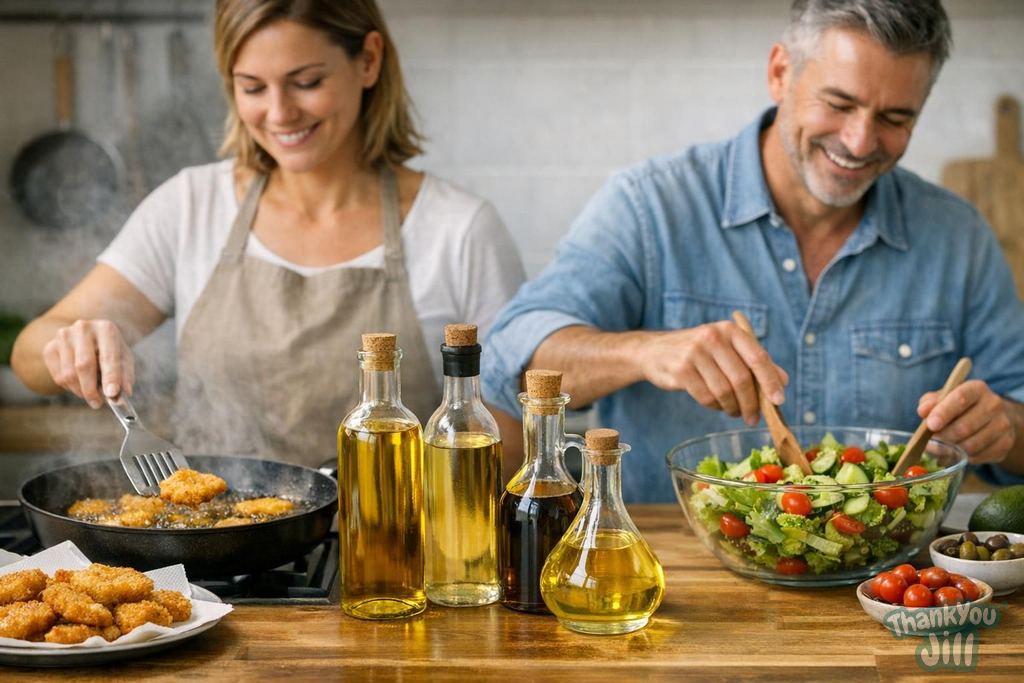
Mediterranean diet studies showing cardiovascular benefits typically use 30-50 ml of extra virgin olive oil daily (2-4 tablespoons). Not all cooked at high temperatures: at least half raw (on salads, vegetables, bread, already-cooked pasta). Raw, polyphenols remain intact. Low-temperature cooking (light sautéing) is acceptable. High-temperature frying degrades polyphenols but doesn't make the oil dangerous: it has a high smoke point (about 210°C for good EVO) and remains stable better than many other oils.
Frequently Asked Questions
How do you recognize quality extra virgin olive oil from the label?
Quality extra virgin oil has acidity below 0.8%, absence of sensory defects, and presence of positive attributes like fruity, bitter, and peppery notes. Useful indicators are the harvest year, specific origin of the olives, and if present, polyphenol content above 250 mg/kg.
What's the nutritional difference between extra virgin olive oil and refined olive oil?
Extra virgin olive oil contains antioxidant and anti-inflammatory polyphenols like oleocanthal and oleuropein, absent in refined olive oil, which loses almost all bioactive compounds during refining. This makes extra virgin more beneficial for cardiovascular health and fighting aging.
How do you store extra virgin olive oil to keep polyphenols intact?
Store oil in dark bottles, away from light, heat, and oxygen, at temperatures between 14 and 18°C. After opening, consume within 2-3 months to prevent polyphenol degradation and loss of sensory quality.
How much extra virgin olive oil is recommended daily for health benefits?
Studies indicate daily consumption of 30-50 ml (2-4 tablespoons), preferably raw to preserve polyphenols. Low-temperature cooking is acceptable, while high-temperature frying reduces polyphenols but doesn't make the oil dangerous.

Latest News




Comments
No comments yet. Be the first!
Leave a comment