


 Italiano
 Français
 Deutsch
 Español
 Português
 Svenska
 Suomi
Suomi
Liver and Detoxification
Real Detox Foods
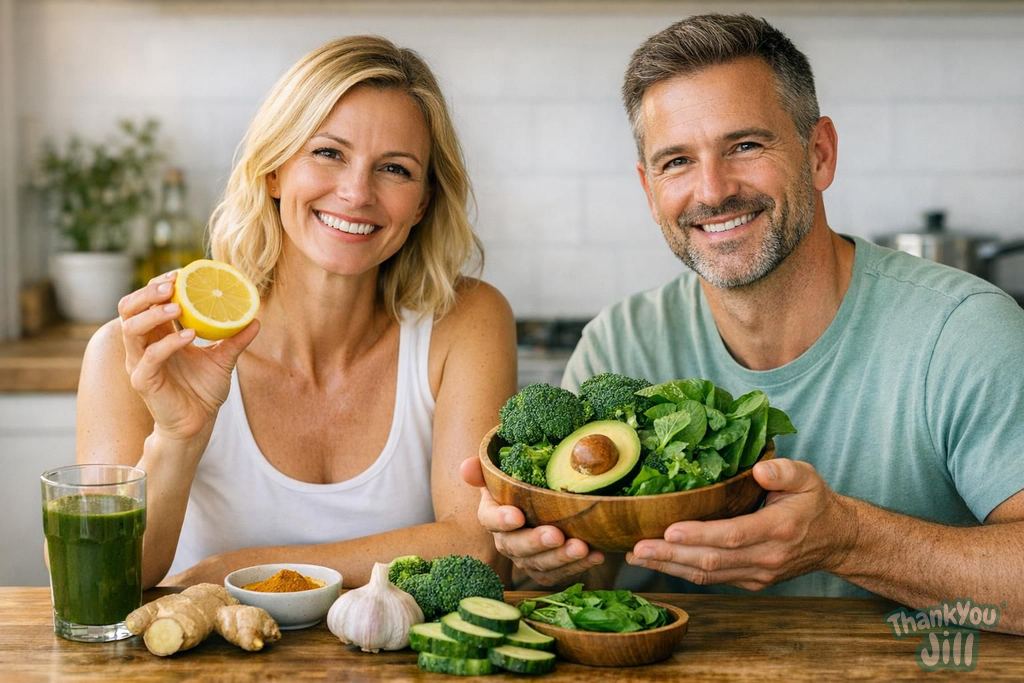
"Detox" is one of the most overused words in food marketing. Green juices, three-day fasts, herbal drainage teas—they're all sold as necessary liver cleanses after periods of excess. The problem is simple: your liver doesn't need to be "cleaned" from the outside. It's the one doing all the cleaning. It's already an extraordinary detoxification machine. What you can do is support how it works with specific food choices—and stop sabotaging it with choices that damage it.
How Liver Detoxification Actually Works
Your liver is the body's most metabolically complex organ. It receives about 25% of your cardiac output: 1.5 liters of blood per minute flow through its sinusoids. It has two main detoxification phases. Phase 1 (oxidation): cytochrome P450 enzymes transform fat-soluble toxins into water-soluble intermediates. These intermediates are often more reactive and potentially more toxic than the original substances. Phase 2 (conjugation): the intermediates get bound to molecules like glutathione, glucuronic acid, and taurine, making toxins water-soluble and ready for elimination through bile or urine.
For both phases to work well, you need specific cofactors: amino acids (cysteine, glycine, taurine, methionine for glutathione), B vitamins, vitamin C, zinc, selenium, magnesium. Deficiencies in these nutrients slow down real liver detoxification far more than any commercial "detox" could ever speed it up.
Foods That Support Your Liver—With Scientific Evidence
Cruciferous vegetables (broccoli, cabbage, Brussels sprouts, arugula): they contain glucosinolates, precursors to sulforaphane and indole-3-carbinol. These compounds activate Phase 2 enzymes (glutathione S-transferases, UDP-glucuronosyltransferases), boosting your liver's ability to conjugate toxins. Clinical studies show a 30–50% increase in Phase 2 enzymes after regular cruciferous consumption.
Garlic and onions: rich in organosulfur compounds (allicin, diallyl sulfide) that increase glutathione production—your liver's main intracellular antioxidant. One clove of garlic daily has documented hepatoprotective effects in studies of people with non-alcoholic fatty liver disease.
Beets: contain betaine (trimethylglycine), which supports methionine metabolism in your liver and reduces hepatic fat accumulation. They also have anthocyanins with anti-inflammatory effects. Betaine is one of the few nutrients with clinical evidence of reducing non-alcoholic fatty liver disease (NAFLD).
Turmeric: curcumin has anti-inflammatory and antioxidant effects on the liver documented in dozens of studies. It reduces liver damage markers (ALT, AST) in people with NAFLD. As always, bioavailability requires piperine (black pepper) and fats.
Green tea: catechins (EGCG) from green tea have potent hepatoprotective effects. Epidemiological studies show that 3–5 cups of green tea daily reduce the risk of chronic liver disease and hepatocellular carcinoma by 20–40%.
Milk Thistle: The Herbal Remedy With the Best Evidence
Milk thistle (Silybum marianum) contains silymarin, one of the few herbal remedies with robust clinical evidence for liver protection. Silymarin protects hepatocyte membranes, acts as an intracellular antioxidant, stimulates hepatocyte protein synthesis, and has documented antifibrotic effects. It's used clinically (even as an injectable in emergencies) to treat poisoning from Amanita phalloides, the deadliest mushroom toxin. For daily preventive use, extracts standardized to 70–80% silymarin are the most studied and widely used.
What Really Damages Your Liver
Alcohol: the primary liver toxin in Western culture. Ethanol metabolism generates acetaldehyde (carcinogenic), produces oxidative stress, causes liver inflammation and progressive fibrosis. There's no safe amount of alcohol for your liver—every drink has a real metabolic cost. Excess free fructose (high-fructose corn syrup, agave syrup, fruit juices): metabolized almost entirely by your liver into triglycerides. It's the leading nutritional cause of NAFLD after alcohol. Overused hepatotoxic drugs: acetaminophen overdose is the leading cause of acute liver failure in developed countries. Chronic NSAIDs. Unregulated "natural" supplements (kratom, kava kava, uncertified gym supplements).

Your liver doesn't ask for fasts or green juices: it asks for cruciferous vegetables weekly, garlic daily, less alcohol, less free fructose. It doesn't need to be cleaned—it needs to not be poisoned and to have the nutrients to do its extraordinary work.
Your Weekly Liver Support Protocol
Monday, Wednesday, Friday: at least one serving of cruciferous vegetables (broccoli, Brussels sprouts, arugula, cabbage). Every day: one clove of garlic in cooking. Three times a week: green tea (3 cups). Every day: turmeric with black pepper in any dish. Once a week: beets (raw in salad or juiced). This isn't a "detox"—it's ongoing nutritional support for your liver. Consistency over time produces benefits that no three-day cycle ever could.
Signs Your Liver Is Struggling
Persistent fatigue with no obvious cause, dark urine, yellowing of eyes or skin, pain or discomfort under your right ribs, frequent nausea, heaviness after fatty meals. If you have several of these together: a simple blood test (ALT, AST, gamma-GT, bilirubin) gives you immediate information about your liver's health. Don't wait for serious symptoms to check.
Non-Alcoholic Fatty Liver Disease (NAFLD): The New Epidemic
NAFLD (fat accumulation in the liver unrelated to alcohol) affects 25–30% of the adult Italian population. It's closely linked to excess weight, insulin resistance, diets high in fructose and saturated fats. In most cases it's reversible with dietary changes: reducing free fructose and refined carbs, losing even 5–10% of body weight, increasing cruciferous vegetables and betaine-rich foods. Diagnosis requires liver ultrasound or elastography. When caught early, NAFLD often resolves completely with diet.
Frequently Asked Questions
Which foods actually support your liver's detoxification function?
Foods like cruciferous vegetables (broccoli, cabbage), garlic, beets, turmeric, and green tea contain compounds that stimulate liver enzymes and improve your liver's ability to eliminate toxins, supporting its real biochemical functions.
How can you tell if your liver is struggling, and what warning signs shouldn't you ignore?
Signs like persistent fatigue, dark urine, yellowing of skin or eyes, pain under your right ribs, frequent nausea, and heaviness after fatty meals suggest possible liver strain. A blood test with ALT, AST, and gamma-GT can confirm your liver's condition.
What's the difference between real liver support and common commercial detoxes?
Commercial detoxes like green juices or fasting don't improve liver function because your liver is already a detoxification powerhouse. Real support comes from specific nutrients and foods that enhance the biochemical phases of detoxification, not from temporary external cleanses.
When should you cut back on alcohol and fructose to protect your liver?
You should reduce alcohol and free fructose always, since alcohol generates liver toxins and fructose promotes fat accumulation in the liver. There's no safe amount of alcohol for your liver, and excess fructose is a leading cause of non-alcoholic fatty liver disease.


Latest News




Comments
No comments yet. Be the first!
Leave a comment