


 Italiano
 Français
 Deutsch
 Español
 Português
 Svenska
 Suomi
Suomi
Seasonal Allergies
Nutrition That Helps
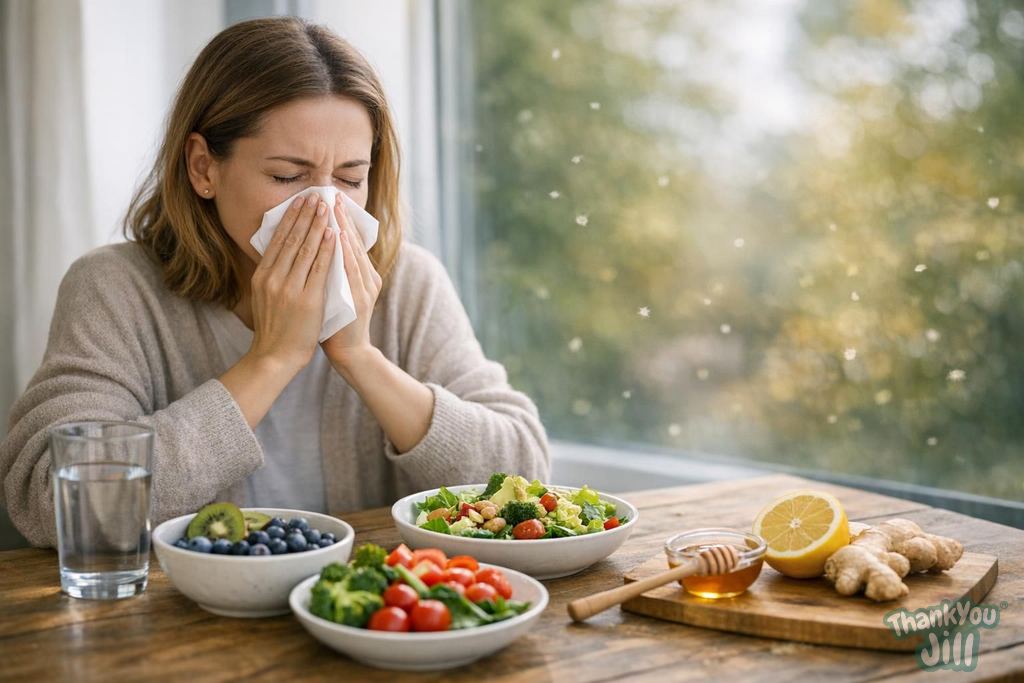
Every spring, millions of people deal with runny noses, watery eyes, and incessant sneezing. Pollen-induced allergic rhinitis affects 15–25% of the population. Standard treatment is pharmaceutical (antihistamines, nasal corticosteroids, and possible immunotherapy). But diet can play an interesting role: some foods worsen symptoms, others ease them, and the mechanism is explainable through the biology of immune cells and histamine.
Oral Allergy Syndrome: When Fruit Makes You Sneeze
Many people with pollen allergies develop oral reactions (itching and swelling of the lips, mouth, and throat) when eating certain raw fruits and vegetables. It's not a classic food allergy: it's cross-reactivity. The proteins in certain plants are structurally similar to those in pollens you're allergic to. Your immune system mistakes them for pollen and reacts.
The most common cross-reactivities: birch pollen allergy (spring) → reactivity to apples, pears, cherries, peaches, apricots, plums, kiwis, raw carrots, raw celery, hazelnuts. Grass pollen allergy → reactivity to tomatoes, peaches, watermelon, kiwis, peanuts. Mugwort allergy (summer-fall) → reactivity to celery, carrots, parsley, spices (cumin, coriander), apples.
This syndrome is almost always dose-dependent and depends on the protein's state: cooking denatures plant proteins, eliminating cross-reactivity. Someone who can't eat raw apples often tolerates cooked apples. Someone with a reaction to raw celery often tolerates vegetable broth. Cooking is the first strategy to explore.
Histamine: The Double Problem During Allergies
During allergic flare-ups, your immune system is already on alert and produces histamine in response to pollens. If you simultaneously consume foods high in histamine or histamine-releasing foods, symptoms can amplify. High-histamine foods: red wine, beer, aged cheeses, cured meats and processed meats, preserved fish (canned tuna, sardines, anchovies), fermented foods (sauerkraut, kimchi, miso), tomatoes, spinach, eggplant, strawberries. Histamine-releasing foods (they don't contain histamine but stimulate mast cells to release it): strawberries, pineapple, chocolate, walnuts, peanuts, shellfish, alcohol.
During peak pollen periods, temporarily reducing these foods can ease symptoms. You don't need to eliminate them forever: only during weeks of high allergen load.
Anti-Histamine and Anti-Inflammatory Foods
Quercetin: a flavonoid with documented antiallergic effects that inhibits histamine release from mast cells and reduces pro-inflammatory cytokine production. Rich sources: capers (the most concentrated source: 234 mg per 100g), raw yellow onions (50 mg per 100g), broccoli, apples with skin, green tea, black grapes. Quercetin from food requires weeks of consistent consumption for significant effects: start 4–6 weeks before pollen season.
Omega-3 (EPA and DHA): documented anti-inflammatory effects on allergic response. Reduces pro-inflammatory series 2 prostaglandins. Fatty fish 2–3 times a week year-round, with an increase in the months before allergy season. Vitamin C: beyond immunity, vitamin C is an antioxidant that reduces histamine release in vitro. Useful as part of a diet rich in fresh fruits and vegetables. Probiotics: gut microbiota modulates systemic immune response. Studies show that regular probiotic consumption (Lactobacillus rhamnosus GG, L. casei) can reduce the severity of seasonal allergy symptoms and decrease antihistamine needs.
The Seasonal Anti-Allergy Diet: A Practical Plan
Six weeks before pollen season: increase quercetin (raw onion, apples with skin, capers, green tea daily), increase omega-3s (fatty fish 3 times a week), start probiotics (daily kefir or L. rhamnosus supplement). During peak pollen: temporarily reduce high-histamine foods (wine, aged cheeses, tomatoes, strawberries), cook cross-reactive fruits instead of eating them raw, increase hydration (dilutes inflammatory mediators), avoid alcohol (the biggest histamine releaser). These interventions don't replace prescribed medication, but can reduce your need for it.

Seasonal allergies aren't managed by pills alone. The microbiota, quercetin from capers, omega-3s from fish: diet is a silent modulator of inflammation that works in the months before spring arrives. Preparing nutritionally before pollen peaks is the smartest strategy.
How to Use Capers for Quercetin
Capers are the most concentrated food source of quercetin in the world. Starting in February–March (before spring pollen peaks), begin adding them systematically: in pasta and pizza toppings, salads, fish sauces, and bruschetta. One tablespoon of capers (10g) provides about 23 mg of quercetin. Two tablespoons daily, every day, over six weeks builds up quercetin in your tissues with measurable antiallergic effects.
Quercetin Tea During Pollen Season
Green tea (2 cups daily) + raw onion in at least one meal + apple with skin as your daily fruit = about 80–100 mg of quercetin daily. This dose, maintained consistently, has shown significant inhibitory effects on histamine release from mast cells in laboratory studies. It's not a cure: it's dietary support that complements your therapy, not replaces it.
A Pollen-Food Diary to Identify Your Cross-Reactivities
If you have pollen allergies, keep a diary during allergy season: note every time you eat something and develop lip itching, mouth or throat tingling, or lip swelling. These symptoms often appear within minutes of eating. Bring this diary to your allergist: it will help you map your specific cross-reactivities and understand what you can eat cooked but not raw, and what to avoid entirely.
Hydration and Mucous Membranes: Don't Underestimate Water
During allergic flare-ups, nasal and bronchial mucous membranes lose a lot of water through secretions. Good hydration (at least 2 liters daily) keeps mucous membranes moist and less irritated, and dilutes circulating inflammatory mediators. Add acacia honey (local anti-inflammatory) to warm herbal teas during flare-up periods: it has soothing effects on mucous membranes and contains flavonoids with moderate antiallergic properties.
Frequently Asked Questions
How can I tell if the fruit I'm eating is worsening my seasonal allergy symptoms?
If after eating raw fruit or vegetables you experience itching, swelling, or tingling in your mouth or throat, you might have oral allergy syndrome due to cross-reactivity with pollens. Keeping a food diary helps identify which foods trigger these symptoms.
Which foods should I avoid during peak seasonal allergies to reduce symptoms?
During peak pollen season, it's wise to temporarily reduce high-histamine foods like red wine, aged cheeses, cured meats, tomatoes, and strawberries, as well as avoid histamine-releasing foods like chocolate, nuts, and alcohol, to ease your allergic response.
How do I choose foods for a diet that helps prevent or reduce seasonal allergies?
It's helpful to increase consumption of quercetin-rich foods (capers, raw onions, apples with skin), omega-3s (fatty fish), and probiotics (kefir, Lactobacillus supplements) at least 4–6 weeks before allergy season to modulate inflammation and immune response.
How much does hydration matter in managing seasonal allergy symptoms?
Good hydration, at least 2 liters of water daily, helps keep nasal and bronchial mucous membranes moist, reducing irritation and diluting inflammatory mediators, thus improving tolerance during seasonal allergy flare-ups.


Latest News




Comments
No comments yet. Be the first!
Leave a comment