


 Italiano
 Français
 Deutsch
 Español
 Português
 Svenska
 Suomi
Suomi
Fever and Flu: What to Eat to Recover
Foods that support healing
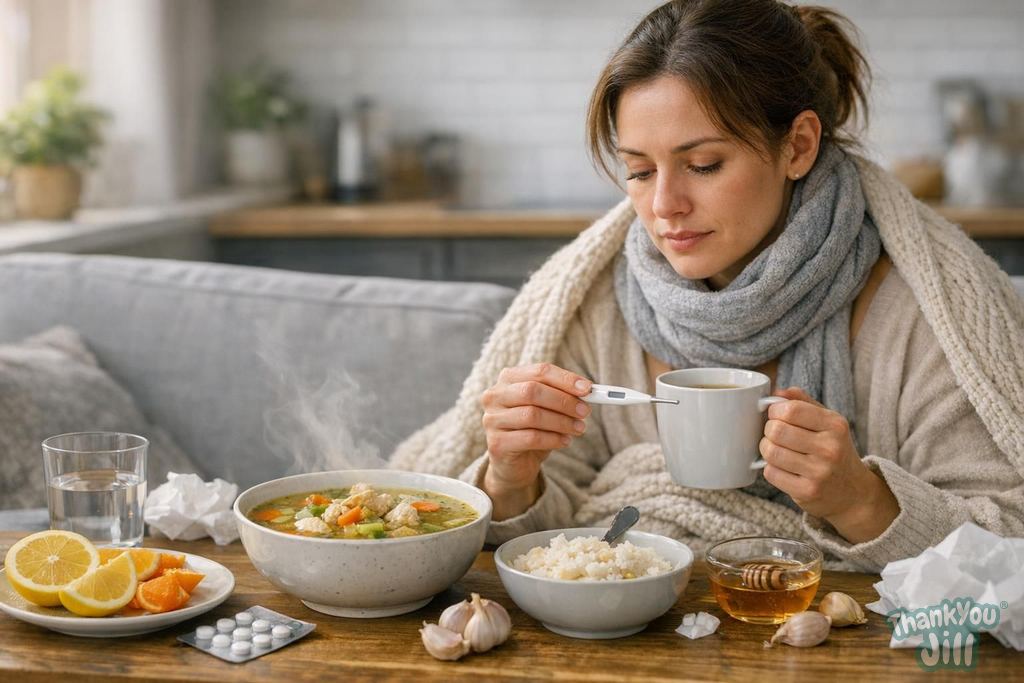
Fever and flu put your body in an extraordinary metabolic state. Elevated body temperature increases metabolism by 10% for every degree above 37°C. Your immune system in full action consumes enormous amounts of energy and nutrients to produce antibodies, proliferate lymphocytes, and maintain the inflammatory response. While all this happens, appetite drops drastically, nausea further reduces food intake, and your body risks entering nutritional deficit precisely when it needs nutrients most.
The old battle between "starve a fever, feed a cold"
The Anglo-Saxon saying "feed a cold, starve a fever" has survived for centuries in popular imagination. Modern research doesn't support it in its absolute form. Current science shows: during fever, metabolism is accelerated and energy demands are increased, not decreased. Severe caloric restriction during fever prolongs recovery. However, forcing meals when nausea is intense is counterproductive: your body has mechanisms to reduce appetite during acute infection, and these mechanisms have a purpose (they redirect energy from digestion to immune response). The optimal strategy: small amounts of easily digestible foods, frequently, without forcing large meals.
Hydration: the absolute priority
Fever increases fluid loss through sweating. Every degree of temperature above normal increases water loss by approximately 100-150 ml per hour. Dehydration associated with fever worsens all parameters: it reduces blood volume, increases toxin concentration, and compromises kidney function. The number one priority during flu and fever is hydration, before any food consideration. Goal: at least 2-2.5 liters of fluids daily, more if fever is high or you're sweating heavily.
What to drink: plain water (the foundation), warm chicken or vegetable broth (rehydrating, provides sodium, potassium, amino acids, and warm vapors decongest airways), warm tea with honey (honey has antimicrobial properties and soothes irritated throat), warm ginger and lemon herbal tea (anti-inflammatory properties, vitamin C), water with lemon and honey. Avoid: alcohol (dehydrating), large amounts of coffee (mild diuretic).
Chicken broth: the scientific remedy par excellence
Chicken broth is one of the few traditional remedies with publishable scientific evidence. Landmark research by Dr. Stephen Rennard (University of Nebraska, 2000) showed that chicken broth reduces neutrophil chemotaxis (the migration of neutrophils toward airways), reducing local inflammation. It also has documented expectorant effects. Glycine and proline from bone collagen (if using bone broth) support intestinal function compromised by infection.
The most critical nutrients during flu
Vitamin C: plasma vitamin C levels plummet during acute infections (consumed by active neutrophils). Increase intake with fresh fruit (if your stomach tolerates it) or lemon juice in beverages. Zinc: as described, taking it within 24 hours of symptom onset reduces duration. Protein: your immune system produces antibodies (proteins) and proliferates cells (proteins). Protein deficiency prolongs illness. Even small amounts of easily digestible proteins (soft-boiled egg, yogurt, rich broth, shredded boiled chicken) make a difference.
Easily digestible foods to prioritize
When nausea is intense: BRAT diet (Bananas, Rice, Applesauce, Toast): bland foods, easy to digest, that don't aggravate gastrointestinal symptoms. As symptoms improve: add broth with shredded chicken, light vegetable soup with legumes, yogurt (probiotics for microbiota damaged by infection), eggs in any soft form. Avoid during acute phase: fatty foods, fried foods, spicy foods, high-fat dairy if there's gastrointestinal involvement, concentrated fruit juices that can worsen diarrhea.

Your sick body works twice as hard and eats half as much. Your mission isn't to force it to eat: it's to give it the fluids it desperately needs, the proteins your immune system requires, and the vitamin C your neutrophils are consuming. Small, frequent, warm, nutritious: the flu diet.
The homemade "healing" broth: basic recipe
Put in a large pot: chicken carcass (or bone-in pieces), one whole onion, three carrots, three celery stalks, a few garlic cloves, bay leaf, peppercorns. Cover generously with cold water. Bring slowly to a boil, skimming. Simmer on low heat for 2-3 hours. Strain, adjust salt. This broth has collagen from bone marrow, amino acids from chicken proteins, vitamins and minerals from vegetables, and warm vapors when drunk hot have documented mechanical effects on nasal decongestion. Make it in large batches and freeze it: you'll have it ready when you need it.
The anti-flu food kit to keep in your pantry
Prepare this list and make sure you have these available before flu arrives: organic honey (throat, antimicrobial properties), fresh ginger (nausea, anti-inflammatory), lemons (vitamin C, flavonoids), green tea (antiviral EGCG), white rice (BRAT diet), ripe bananas (BRAT diet, potassium), frozen chicken broth or low-sodium organic broth cube, zinc acetate supplement (for the first 24 hours), vitamin C. With this kit, the critical first 48 hours are manageable without leaving home to shop while you're sick.
When to return to normal eating
Progressive refeeding: when fever drops and nausea decreases, start reintroducing gradually. Day 1 of improvement: rich broth, bananas, rice. Day 2: add shredded boiled chicken, yogurt, cooked carrots. Day 3: add eggs, toasted whole grain bread, fruit. Day 4 and beyond: gradual return to normal diet. Don't rush back to heavy meals: your gastrointestinal tract has been under stress during illness and needs a few days to recover full function.
Frequently Asked Questions
What is the importance of hydration during fever and how do you calculate the amount of fluids needed?
During fever, fluid loss increases by approximately 100-150 ml for every degree above 37°C per hour. It's essential to drink at least 2-2.5 liters of fluids daily, increasing the amount if fever is high or you're sweating heavily, to avoid dehydration and complications.
Why is chicken broth considered an effective remedy during the flu?
Chicken broth reduces local inflammation in the airways and has expectorant effects. It contains amino acids like glycine and proline that support intestinal function, helping your body recover more quickly during the flu.
How do you manage eating when experiencing intense nausea during the flu?
When experiencing intense nausea, it's recommended to consume small amounts of easily digestible foods like bananas, white rice, applesauce, and toast (BRAT diet). These bland foods help maintain nutritional intake without aggravating gastrointestinal symptoms.
Which nutrients are essential to support the immune system during the flu?
Vitamin C, zinc, and protein are essential. Vitamin C is rapidly consumed by neutrophils, zinc reduces symptom duration if taken within 24 hours, and protein is necessary for antibody production and cell proliferation.


Latest News




Comments
No comments yet. Be the first!
Leave a comment