


 Italiano
 Français
 Deutsch
 Español
 Português
 Svenska
 Suomi
Suomi
Vaccinations and Immune System
Debunking Common Myths
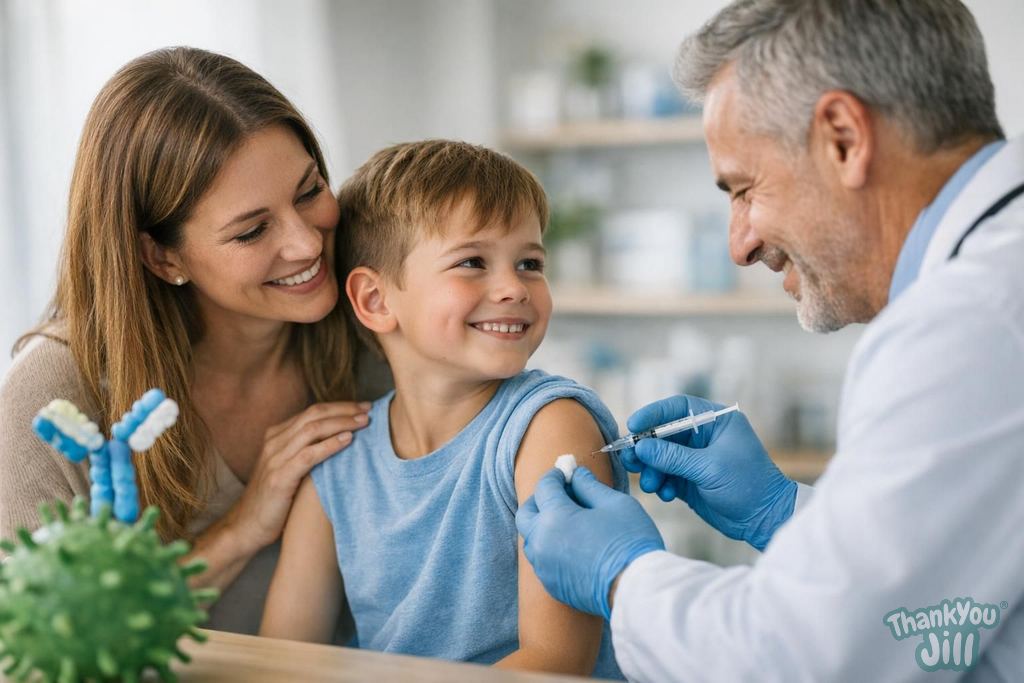
Vaccines are among the public health tools with the best safety-to-efficacy ratio in the history of medicine. They have eradicated smallpox, nearly eliminated polio, and drastically reduced measles, rubella, diphtheria, and tetanus. Yet they remain surrounded by persistent myths, many of which concern how the immune system works and the relationship between vaccination and natural defenses. Understanding how vaccines actually work is essential for making informed decisions about your health and your children's health.
How a vaccine works: the immunological mechanism
A vaccine introduces into the body an inactivated or attenuated form, or a specific fragment of a pathogen (or instructions to produce a fragment, as with mRNA vaccines) that cannot cause disease but is similar enough to the real pathogen to trigger an adaptive immune response. The body produces specific antibodies and, importantly, creates memory immune cells (memory B and T lymphocytes). Upon subsequent exposure to the real pathogen, the immune system recognizes it immediately and responds within 24-48 hours instead of 7-14 days (the time needed to develop a primary response). This rapid secondary response neutralizes the infection before it becomes clinically severe.
Myth 1: "Vaccines weaken the immune system"
This is the most widespread and easiest myth to debunk. Exposure to an antigen (any antigen: a vaccine, an infection, even simply the bacterial flora in your gut) does not weaken the immune system—it educates and strengthens it. The immune system is an adaptive system: the more stimuli it receives, the more memory cells it creates, the more prepared it is to respond quickly. A vaccinated child does not have a "tired" immune system; they have an immune system with a broader archive of memorized responses than an unvaccinated child.
Myth 2: "Natural diseases provide stronger immunity than vaccines"
In some cases, this is partially true: certain natural infections produce a more robust and lasting immune response compared to the corresponding vaccination. But the premise of this myth ignores the cost: to obtain natural immunity against measles, you must risk encephalitis (1 case per 1,000), bacterial pneumonia (1 in 20), deafness, blindness, death (1-2 per 1,000 in developed countries, much higher in poor countries). Vaccines simulate natural immunity without the serious complications. The risk-benefit ratio is unequivocally in favor of vaccines for preventable infectious diseases.
Myth 3: "Vaccines overload children's immune systems"
A healthy newborn's immune system is capable of responding to thousands of antigens simultaneously. Every day, the child is exposed through skin, mucous membranes, and lungs to thousands of environmental bacteria, viruses, and fungi that continuously stimulate the immune system. The vaccines on the Italian vaccination schedule (which includes several in the first year) expose the immune system to a tiny fraction of this daily stimulus. There is no scientific evidence that combined vaccines "exhaust" or "overload" children's immune defenses.
Nutrition and vaccine response
This is where nutrition becomes relevant to the vaccination discussion. The immune response to vaccination (antibody production, activation of memory B and T lymphocytes) requires the same nutrients needed for any immune response: zinc, vitamin D, vitamin A, folate, iron, vitamin C, and adequate protein. Malnutrition reduces vaccine effectiveness: studies in developing countries show that malnourished children produce fewer antibodies after vaccination and have less lasting immunity. In developed countries, vitamin D deficiency (very common) reduces vaccine response. Being in good nutritional status at the time of vaccination optimizes immune response.
How to optimize vaccine response through nutrition
In the weeks before vaccination: check and correct any vitamin D deficiency (supplement if below 30 ng/ml), maintain adequate zinc and vitamin C intake, ensure sufficient protein consumption (proteins are the building blocks of antibodies), maintain a healthy microbiome with fermented foods. Avoid fasting or detox treatments in the weeks around vaccination: the immune system must be well-nourished to respond effectively.

Vaccines don't take anything away from the immune system—they teach it. Every vaccine is a lesson in immune memory without the risk of the real exam. Optimal nutrition is the best preparation for learning that lesson as effectively as possible.
How to verify your vaccine response
For some vaccines (hepatitis B, measles, chickenpox), it's possible to measure antibody titers in the blood after vaccination to verify that the response was adequate. If you have doubts about your immunity or don't remember receiving certain vaccines, seroconversion testing is more reliable than incomplete medical history. Your primary care physician can request these tests.
Optimal nutritional status for flu season
The seasonal flu vaccine has variable effectiveness (40% to 70% depending on how well it matches circulating strains). To maximize it: vitamin D at adequate levels (supplement if below 30 ng/ml before October), zinc at normal levels, a diet rich in antioxidants in the weeks before vaccination. Those with nutritional deficiencies respond poorly to the flu vaccine—this is documented in clinical studies of institutionalized elderly people. Adequate nutrition is a vaccine "booster" accessible to everyone.
Reliable sources for vaccine information
The Italian Ministry of Health, the Higher Institute of Health, the WHO website, the American CDC website, and the Cochrane platform for systematic reviews are the most reliable sources on vaccine effectiveness and safety. Health decisions, especially those concerning children, deserve high-quality scientific sources, not unverified blogs or social media groups.
Frequently Asked Questions
How does the immune system respond to vaccines?
Vaccines introduce an inactivated or fragmented antigen that stimulates the immune system to produce antibodies and memory cells. This allows for a rapid and effective response if exposed to the real pathogen, preventing serious illness.
Can vaccines weaken or overload children's immune systems?
No, vaccines do not weaken or overload the immune system. Children's immune systems are capable of responding to thousands of antigens simultaneously, and vaccines represent only a small fraction of daily stimuli.
How does nutrition affect vaccine response effectiveness?
Good nutrition, with adequate levels of vitamin D, zinc, vitamin C, and protein, is essential for an effective immune response to vaccines. Malnutrition or specific deficiencies can reduce antibody production and the duration of immunity.
How can I verify if my immune response to a vaccine is adequate?
For some vaccines like hepatitis B, measles, or chickenpox, it's possible to measure antibody titers in the blood through specific tests. These tests, requested by your doctor, confirm whether the immune response was sufficient.


Latest News




Comments
No comments yet. Be the first!
Leave a comment