

 English
 Italiano
 Français
 Deutsch
 Español
 Português
 Svenska
 Suomi
Suomi
Hormones and Nutrition
How They Influence Our Wellbeing
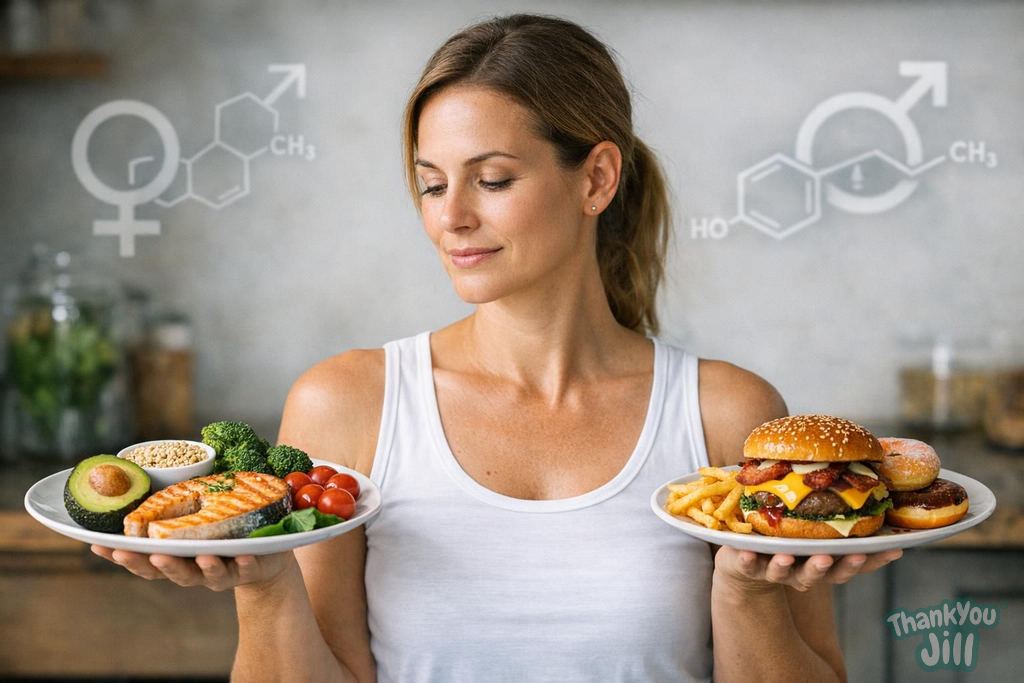
Hormones are the body's chemical messengers: they regulate metabolism, mood, reproduction, growth, stress response, sleep, hunger, and satiety. They're produced in micrograms and nanograms, yet their effects are enormously amplified. And every day, three or four times a day, through the food we choose, we send precise signals to the endocrine system. The connection between nutrition and hormones is one of the most powerful and least understood relationships in modern physiology.
Insulin: The Hormone That Responds to Every Meal
Insulin is the hormone with the most immediate response to food. Produced by the pancreas in response to rising blood sugar, it's essential for glucose uptake. But when chronically elevated (from diets rich in refined carbohydrates and sugars), it becomes pro-inflammatory, promotes fat storage (especially visceral fat), inhibits lipolysis (prevents using fat as energy), and contributes to insulin resistance. How to modulate it through diet: reduce refined carbohydrates, increase fiber and protein, use vinegar before meals, eat within more restricted time windows.
Cortisol: The Stress Hormone That Sabotages Your Diet
Cortisol is produced by the adrenal glands in response to physical and psychological stress. It raises blood sugar (mobilizes glucose reserves for emergency response), reduces insulin sensitivity (the opposite of what we want), promotes visceral fat storage, and increases appetite for high-calorie foods (sugars and fats). Food influences cortisol in two ways: certain foods increase it (refined sugars, excess caffeine, alcohol), while others modulate it (magnesium, vitamin C, omega-3-rich foods, ashwagandha).
Leptin and Ghrelin: The Hunger Hormones
Leptin (produced by adipose tissue) signals to the brain satiety and the amount of body fat. Ghrelin (produced by the stomach) signals hunger. These two hormones regulate each other reciprocally in an elegant system that normally maintains stable weight. Restrictive diets lower leptin and raise ghrelin: the body senses starvation danger and increases appetite. Insufficient sleep does the same. Excess refined sugars can cause leptin resistance, similar to insulin resistance: the brain no longer properly receives the satiety signal even with abundant fat reserves.
Serotonin: The Neurotransmitter of Wellbeing Produced in the Gut
95% of the body's serotonin is produced in the gut, not the brain. Tryptophan (an essential amino acid) is the precursor to serotonin. Serotonin production depends on: tryptophan availability in your diet (turkey, eggs, nuts, cheese, legumes), a healthy gut microbiota (intestinal bacteria modulate enteric serotonin production), vitamin B6 (a cofactor in tryptophan-to-serotonin conversion). An impoverished microbiota reduces intestinal serotonin production with possible effects on mood and wellbeing: this is one mechanism of the microbiota-gut-brain axis.
Estrogen and Diet: The Connection
Diet significantly influences estrogen levels. Body fat is estrogenic tissue: adipose cells convert adrenal androgens into estrogen (aromatase). Overweight increases estrogen levels in both men and postmenopausal women, with significant consequences (increased risk of certain estrogen-dependent tumors, metabolic dysfunction). Dietary fiber and gut microbiota modulate the "estrogen circulation": bacterial beta-glucuronidase recycles conjugated estrogens by reabsorbing them in the intestine. A high-fiber diet with a healthy microbiota promotes estrogen elimination rather than reabsorption.
Phytoestrogens: Allies or Adversaries?
Phytoestrogens (soy isoflavones, flax lignans, legume coumestans) are plant compounds with structures similar to estrogen. They bind to estrogen receptors with effects much weaker than natural estradiol. In premenopausal women with high estrogen: the antagonistic effect of phytoestrogens can be protective. In postmenopausal women with low estrogen: the mild agonistic effect may relieve hot flashes and symptoms. They are not safe for those with diagnosed estrogen-dependent tumors: always consult your oncologist before modifying phytoestrogen intake.

Every meal is a message to your endocrine system. The insulin spike after plain pasta, cortisol rising with your third coffee, leptin dropping with insufficient sleep: hormones speak the language of what you eat. Learn to send them the right messages.
How to Reduce Cortisol Through Nutrition
Increase magnesium: nuts, pumpkin seeds, cocoa, legumes, whole grains. Magnesium is the primary natural cortisol modulator: its deficiency is associated with exaggerated stress response. Vitamin C: reduces cortisol levels after intense physical activity and psychological stress. Ashwagandha (root extracts): an adaptogen with clinical evidence of 27% cortisol reduction in a 2012 RCT. Reduce caffeine: above 3 cups daily, caffeine increases cortisol by 30%. Regular meals: skipping meals raises cortisol (the brain perceives glucose scarcity as stress).
The Plan to Optimize Leptin
To prevent or improve leptin resistance: reduce refined sugars (fructose is the primary inducer of leptin resistance), sleep 7-8 hours (sleep deprivation reduces leptin by 15-18%), increase protein (strongly signals satiety even with reduced leptin), maintain a healthy weight (excess body fat paradoxically causes leptin resistance despite abundance).
How to Optimize Intestinal Serotonin Production
Daily tryptophan: turkey, eggs, nuts, aged cheese, tofu, pumpkin seeds. Vitamin B6 (conversion cofactor): fish, poultry, potatoes, bananas. Healthy microbiota: daily fermented foods (kefir, yogurt, sauerkraut), abundant prebiotics (onion, garlic, legumes, whole grains). This triad (tryptophan + B6 + healthy microbiota) is the dietary foundation of intestinal serotonin health, which contributes to mood balance through the gut-brain axis.
Frequently Asked Questions
How can I modulate insulin levels through diet?
To modulate insulin, reduce refined carbohydrates and sugars, increase fiber and protein, use vinegar before meals, and limit your eating window. These strategies help prevent insulin resistance and visceral fat storage.
Which foods help reduce cortisol, the stress hormone?
Foods rich in magnesium (nuts, pumpkin seeds, legumes), vitamin C (fruits and vegetables), omega-3s, and supplements like ashwagandha can reduce cortisol. Avoid excess caffeine and alcohol, and maintain regular meals to limit this hormone's increase.
How can I tell if I have leptin resistance and how should I address it with diet?
Leptin resistance manifests as increased appetite despite high fat reserves. To address it, reduce refined sugars, sleep 7-8 hours, increase protein intake, and maintain a healthy body weight to improve leptin sensitivity.
How does diet affect intestinal serotonin production and wellbeing?
Intestinal serotonin depends on tryptophan (turkey, eggs, nuts), vitamin B6 (fish, bananas), and a healthy microbiota (fermented foods, prebiotics). A balanced diet in these nutrients supports mood and wellbeing through the gut-brain axis.


Latest News




Comments
No comments yet. Be the first!
Leave a comment