


 Italiano
 Français
 Deutsch
 Español
 Português
 Svenska
 Suomi
Suomi
Menstrual Cycle
Nutrition for Every Phase

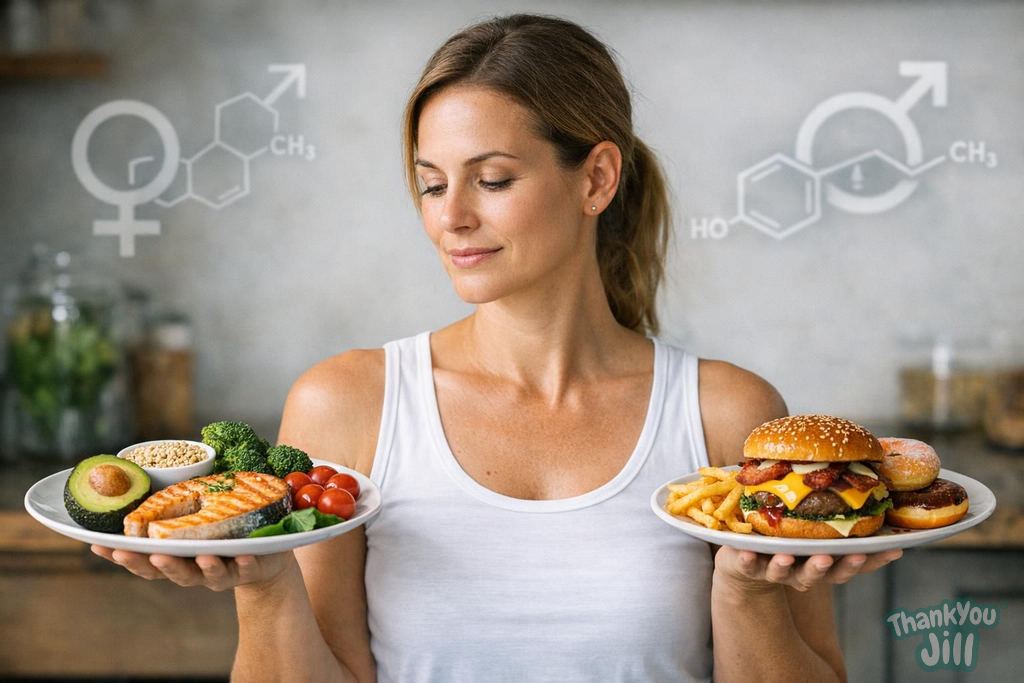
For decades, the menstrual cycle was treated as a single unit: "during menstruation you have pain, take a painkiller." Cycle syncing is a more sophisticated approach that recognizes the four phases of your cycle as completely different hormonal environments, each with distinct nutritional, energetic, and physical needs. Adapting your diet to your cycle phases isn't pseudoscience—it's grounded in hormonal physiology and supported by growing evidence in the scientific literature.
The Four Phases of Your Cycle and Their Hormones
Menstrual phase (days 1–5): Estrogen and progesterone at their lowest. Blood loss means you're losing iron, zinc, and magnesium. Pro-inflammatory prostaglandins trigger cramping. Follicular phase (days 6–13): Estrogen rises progressively. Energy increases, insulin sensitivity improves, mood is generally positive. This is your window of maximum metabolic opportunity. Ovulation (around day 14): LH and FSH surge. Estrogen peaks. Physical energy is at its highest, and your basal metabolic rate increases slightly (3–5%). Luteal phase (days 15–28): Progesterone dominates. Basal body temperature rises by 0.3–0.5°C. Basal metabolic rate increases by 100–300 calories per day. Water retention is possible. Carb cravings increase. PMS may appear in the final days.
Menstrual Phase: Prioritize Recovery
During menstruation, your body loses iron, zinc, and magnesium through blood loss. Nutritional priorities: iron (lean meats, legumes + vitamin C, spinach), zinc (pumpkin seeds, legumes, meat), magnesium (dark chocolate, legumes, avocado, seeds). To reduce cramping: omega-3s (anti-prostaglandin effect, reduce inflammation), magnesium (relaxes uterine muscle), ginger (documented antispasmodic effect), reduce salt (minimizes water retention that worsens bloating). Foods to limit during menstruation: excess caffeine (vasoconstriction can worsen cramping), alcohol, heavily salted foods.
Follicular Phase: The Rebuilding Phase
As estrogen rises, your insulin sensitivity improves (the same amount of carbs causes less blood sugar spike). Your metabolism is efficient. This is the ideal time for: fermented foods (support estrogen metabolism), cruciferous vegetables (indole-3-carbinol supports excess estrogen elimination), flax and pumpkin seeds (lignans, mild phytoestrogens for support), whole grains and legumes (steady fuel for your rising energy). Energy is generally high—this is your best phase for more intense physical activity.
Ovulatory Phase: Peak Energy
During ovulation, the LH and estrogen surge brings you to your physical and mental peak. Your metabolism is at its highest. Caloric needs increase slightly. Supporting foods: flax seeds (lignans support ovulation), zinc-rich foods (support corpus luteum formation), abundant antioxidants (protect the egg from oxidative stress), vitamin B6 (supports progesterone production in the corpus luteum). Energy is at its peak—ideal for your most demanding athletic and mental performance.
Luteal Phase: Managing PMS
In the luteal phase, progesterone dominates. Your basal metabolic rate increases—your body burns 100–300 extra calories per day. Cravings for carbs and sweets increase physiologically. This isn't a willpower issue—it's a real hormonal response. How to manage it: increase calorie intake moderately (your body needs it), prioritize complex carbs (whole grains, sweet potatoes, legumes) to satisfy cravings without blood sugar spikes, abundant magnesium (reduces chocolate cravings, which are really magnesium requests), vitamin B6 (reduces PMS symptoms), calcium (1,000 mg daily reduces PMS symptoms by 30–40% according to clinical studies), reduce salt and caffeine to minimize water retention.

Your cycle isn't one week of pain per month—it's an entire month of hormonal shifts that shape your energy, mood, appetite, and metabolism. Listening to these phases instead of fighting them is the most refined form of feminine self-care.
Keep a Cycle Phase Diary for Three Months
Use an app like Clue, Flo, or Natural Cycles to track your cycle. Each day, add notes on: energy (1–10), mood (1–10), appetite (1–10), specific cravings, sleep quality. After three cycles, your personal patterns will emerge: when you're at your best, when you're hungriest, when cramping hits, when bloating appears. This personalized data is worth far more than any generic template. Share it with your gynecologist if there are significant irregularities.
Seed Cycling: Lignans to Support Your Hormones
Seed cycling is a practice that uses specific seeds in different cycle phases to support hormonal balance. Follicular phase (days 1–14): ground flax and pumpkin seeds (lignans and zinc support estrogen and ovulation). Luteal phase (days 15–28): sesame and sunflower seeds (lignans and vitamin E support progesterone). One tablespoon of ground seeds daily, added to yogurt, cereal, or smoothies. While robust clinical evidence is limited, seeds are excellent foods for the nutrients they contain. Seed cycling is a practical way to ensure you rotate different seeds throughout the month.
Menstrual Cramps: The Anti-Pain Nutrition Protocol
In the 3–5 days before menstruation: increase magnesium (nuts, seeds, cocoa, legumes: 300–400 mg daily), omega-3s (fatty fish daily or fish oil), vitamin B1 thiamine (whole grains, legumes: a 2014 study showed 95% pain reduction with 100 mg thiamine daily), fresh ginger in tea or cooking. Avoid: caffeine, alcohol, excess salt, pro-inflammatory foods (refined sugars, excess omega-6 oils). Followed consistently for three cycles, this protocol significantly reduces menstrual pain intensity for many women.
Frequently Asked Questions
How should I adapt my diet during the menstrual phase to reduce cramping?
During the menstrual phase, it's important to increase your intake of iron, zinc, and magnesium to compensate for blood loss. Adding omega-3s and ginger helps reduce inflammation and cramping, while limiting caffeine, alcohol, and heavily salted foods helps prevent worsening symptoms.
Which foods are recommended in the follicular phase to improve energy and metabolism?
In the follicular phase, as estrogen rises, it's ideal to consume fermented foods, cruciferous vegetables, flax and pumpkin seeds, whole grains, and legumes. These foods support estrogen metabolism and provide steady energy, while also supporting more intense physical activity.
How can I manage increased carb cravings in the luteal phase without causing blood sugar spikes?
During the luteal phase, it's best to moderately increase calories while prioritizing complex carbs like whole grains, sweet potatoes, and legumes. These foods satisfy sweet cravings without blood sugar spikes, while magnesium and vitamin B6 help reduce PMS symptoms.
What is seed cycling and how can it support hormonal balance during the menstrual cycle?
Seed cycling involves taking specific seeds based on your cycle phase: flax and pumpkin seeds in the follicular phase to support estrogen and ovulation, sesame and sunflower seeds in the luteal phase to support progesterone. While robust clinical evidence is limited, it's a practical way to integrate beneficial nutrients.

Latest News



Comments
No comments yet. Be the first!
Leave a comment