


 Italiano
 Français
 Deutsch
 Español
 Português
 Svenska
 Suomi
Suomi
Depression
The Role of Gut Microbiota
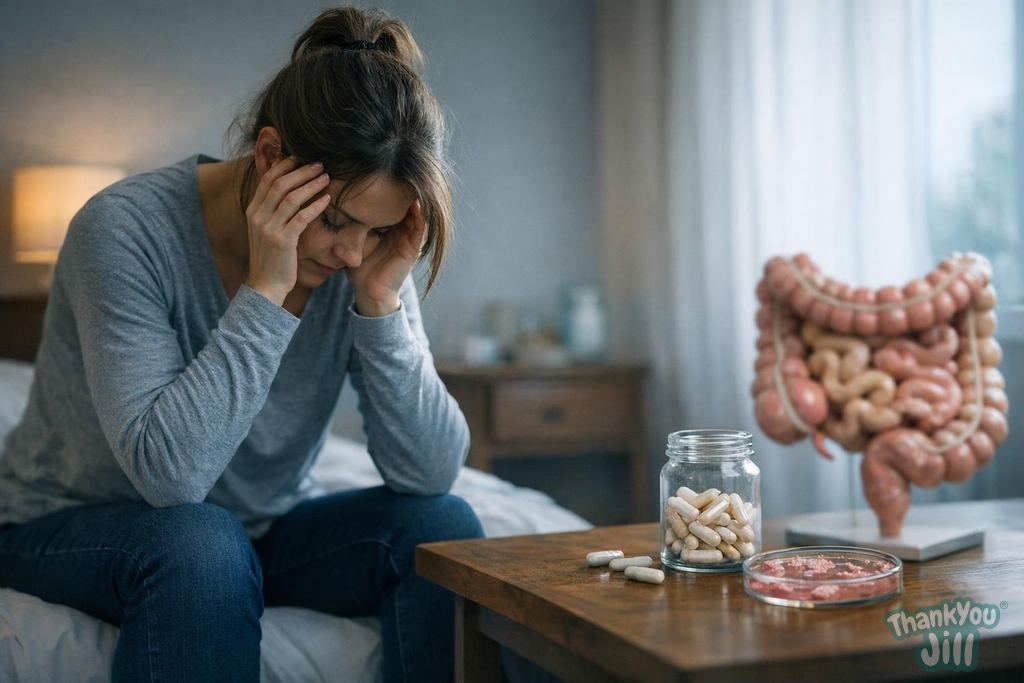
In 2019, a landmark article published in Nature Microbiology (Valles-Colomer et al.) analyzed the microbiota of 1,054 participants from the Flemish Gut Flora Project, cross-referencing it with data on quality of life and depression. The finding: two bacterial genera, Coprococcus and Dialister, were systematically depleted in people with depression, regardless of antidepressant use. These bacteria produce butyrate and DOPAC (a dopamine precursor). It wasn't the first evidence of the microbiota-depression link, but it was the strongest in a real-world population. The microbiota-gut-brain axis has become one of the most promising fields in modern biological psychiatry.
How the Microbiota Communicates with the Brain
The gut and brain communicate through multiple channels. The vagus nerve: transmits sensory signals from the gut to the brain (approximately 80% of vagal fibers are afferent: they carry information toward the brain, not the other way around). Neurotransmitter production: intestinal bacteria produce or stimulate the production of serotonin (95% in the GI tract), dopamine, GABA, norepinephrine, acetylcholine. Immune system: the microbiota regulates 70-80% of the intestinal immune system, which influences systemic inflammation, strongly associated with depression. Short-chain fatty acids (SCFA): butyrate, propionate, acetate cross the blood-brain barrier and have direct effects on the brain, including modulation of hippocampal neurogenesis.
Neuroinflammation in Depression: The Role of Food
A growing body of research associates depression with elevated levels of pro-inflammatory cytokines in the blood (IL-6, TNF-alpha, CRP). This doesn't mean inflammation causes depression in all cases, but in a subgroup of patients (estimated at 30-40% of those with depression) inflammation is a causal driver. A pro-inflammatory diet (refined sugars, trans fats, ultra-processed foods, excess omega-6) contributes to this inflammation. An anti-inflammatory diet (Mediterranean, rich in omega-3, polyphenols, fiber) reduces it. This could explain why the Mediterranean diet is associated with lower depression risk in epidemiological studies.
The SMILES Study: The First RCT on Diet and Depression
In 2017, researcher Felice Jacka and her team (Deakin University, Australia) published the SMILES study (Supporting the Modification of Lifestyle In Lowered Emotional States) in BMC Medicine. It was the first randomized controlled trial to test whether an improved diet could reduce clinical depression. Method: 67 adults with moderate-to-severe depression randomized to Mediterranean diet (with nutritional counseling) vs social support. Results after 12 weeks: 32% of the diet group achieved depression remission, compared to 8% of the control group. The MADRS score (depression scale) decreased by 11 points in the diet group vs 4 in the control group. The effect size was comparable to that of antidepressants.
Tryptophan and Serotonin: The Dietary Connection
Serotonin is the neurotransmitter most associated with mood. SSRI antidepressants work by increasing its synaptic availability. Tryptophan is the dietary precursor to serotonin. The "serotonin hypothesis" of depression has been somewhat downscaled in recent years, but tryptophan deficiency (from a poor diet) can contribute to depressive symptoms, especially in people with genetic vulnerability. Sources: turkey, eggs, aged cheeses, walnuts, pumpkin seeds, legumes.
Psychobiotic Probiotics: The Mood Bacteria
The term "psychobiotic" was coined in 2013 to describe probiotics with documented psychiatric effects. Preliminary clinical studies show effects on depression and anxiety with specific strains: Lactobacillus helveticus R0052 + Bifidobacterium longum R0175 (Messaoudi et al. study, 2011: reduction in urinary cortisol and psychological symptoms). They are not yet recommended as first-line treatment for depression: the evidence is promising but insufficient for definitive recommendations. Research is evolving rapidly.

The depressed brain looks inward. But the gut looks toward the brain through billions of bacterial messages daily. Nourishing the microbiota with diversity is nourishing mood as well. It's not magic: it's the gut-brain axis that science is learning to understand.
The Mediterranean Diet as Support for Mental Health
Translate the SMILES study into practice: extra virgin olive oil as the main condiment, abundant vegetables at every meal, fruit daily, legumes 4+ times a week, whole grains, fish 2+ times a week, nuts daily, reduced red meat, elimination of industrial sweets and ultra-processed food. It's not an alternative diet to therapy for depression: it's the biological support that everyone with depression deserves, regardless of primary treatment.
Daily Fermented Foods: Building the Mood Microbiota
Diversify fermented foods: kefir (richest in bacterial species), Greek yogurt (lactobacilli and bifidobacteria), miso (Aspergillus oryzae and lactobacilli), kimchi (Lactobacillus plantarum and specific Korean species), sauerkraut (L. mesenteroides, L. brevis, L. plantarum). Rotating them throughout the week exposes the microbiota to different species instead of always reinforcing the same ones. Microbiota diversity is correlated with mental health: more diverse species, greater psychological resilience.
When to Seek Professional Help for Depression
Diet is a support, not a cure. If depressive symptoms include: persistent depressed mood for more than 2 weeks, loss of interest in previously enjoyable activities, significant sleep disturbances, thoughts of worthlessness or death: seek help from a doctor or psychologist. Severe depression requires psychotherapy and/or medication. Optimal diet in the context of professional treatment is one of the most powerful tools you have, not the only tool.
Frequently Asked Questions
What is the role of gut microbiota in depression?
Gut microbiota influences mood through the gut-brain axis, producing neurotransmitters and modulating inflammation. Bacteria like Coprococcus and Dialister, which are reduced in depressed people, produce substances that support mental health.
How can the Mediterranean diet help reduce depression symptoms?
The Mediterranean diet, rich in fiber, omega-3, and polyphenols, reduces systemic inflammation associated with depression. Studies like SMILES show that healthy eating can significantly improve depressive symptoms as a support to therapy.
What are psychobiotic probiotics and how do they act on depression?
Psychobiotic probiotics are specific bacterial strains that can positively influence mood by reducing stress and depressive symptoms. Although promising, they are not yet recommended as primary treatment for depression.
When is it advisable to seek professional help for depression beyond diet?
If depressive symptoms persist beyond two weeks, include loss of interest, sleep disturbances, or thoughts of death, it's essential to consult a doctor or psychologist. Diet is a support, but severe depression requires therapy and/or medication.


Latest News




Comments
No comments yet. Be the first!
Leave a comment