


 Italiano
 Français
 Deutsch
 Español
 Português
 Svenska
 Suomi
Suomi
Skin Aging
Antioxidants That Actually Work
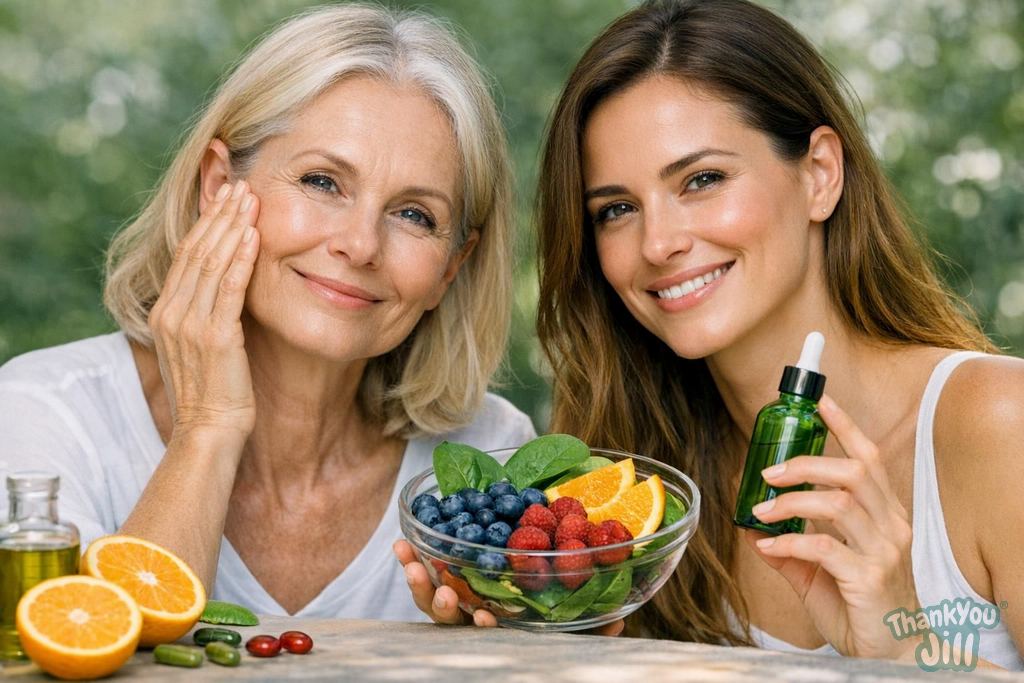
Skin aging results from two parallel processes. Intrinsic aging (genetic and hormonal) is unstoppable: collagen production decreases by 1% per year after age 20, elastin loses elasticity, sebaceous glands become less active. Extrinsic aging (photoaging, oxidative stress, glycation, pollution) is highly modifiable through lifestyle and diet. Studies on monozygotic twins (identical genetics) show that lifestyle differences lead to 10-15 year differences in skin aging. Diet is one of the most powerful tools against extrinsic aging.
Oxidative Stress and Skin: Free Radicals as Collagen Enemies
Free radicals (reactive oxygen species, ROS) form continuously in skin from UV exposure, pollution, smoking, and cellular metabolism. They attack cell membrane lipids (lipid peroxidation), proteins (including collagen: oxidative crosslinking that reduces elasticity), and cellular DNA. The skin's endogenous antioxidant system (superoxide dismutase, catalase, glutathione peroxidase) fights these attacks, but can be overwhelmed by excessive free radical exposure. Dietary antioxidants support the skin's antioxidant system both directly (antioxidants absorbed into circulation that reach the skin) and indirectly (by boosting endogenous antioxidant enzymes).
Vitamin C: The Most Effective for Skin Collagen
Vitamin C is the primary water-soluble antioxidant in plasma and the dermal layer. It has three anti-aging mechanisms: cofactor for collagen synthesis (without vitamin C, collagen doesn't form properly), direct antioxidant (neutralizes circulating free radicals), and vitamin E regenerator (the oxidized form of E is reduced by C, amplifying antioxidant protection). A prospective study of 4,025 American women (Cosgrove et al., 2007, American Journal of Clinical Nutrition) showed that higher vitamin C intake was associated with lower likelihood of wrinkles and skin dryness, independent of sun exposure and age. Optimal source: fresh fruits and vegetables with at least 200 mg daily. Cooking destroys vitamin C: consume raw sources regularly.
Lycopene: Sun Protection From Within
Lycopene (carotenoid from red tomatoes) deposits in the stratum corneum and subcutaneous adipose tissues. It has the highest singlet oxygen quenching capacity (particularly aggressive ROS generated by UV exposure) among all carotenoids. A German crossover study (Heinrich et al., 2011) showed that consuming 40g of tomato paste daily for 10 weeks (rich in lycopene) reduced UV damage by 40% compared to control. It's not a sunscreen substitute, but a biological integration of sun protection. Lycopene from tomatoes cooked in oil is absorbed 3-5 times better than from raw tomatoes.
Glycation: The Silent Damage of Sugar on Collagen
Non-enzymatic glycation (or biological Maillard reaction) is the process where glucose binds to proteins, forming AGEs (Advanced Glycation End-products). Skin collagen is particularly susceptible: crosslinks formed by AGEs make it rigid, yellow, and fragile. This process, called "collagen saccharification," is accelerated by: high glycemic index diets, uncontrolled diabetes, smoking (which generates enormous amounts of AGEs). How to reduce skin glycation: reduce high-GI carbohydrates, maintain stable blood sugar, increase antioxidants (vitamin C reduces radicals that facilitate glycation), use herbs like cinnamon and turmeric (reduce AGEs in vitro).
The Anti-Aging Diet for Skin: The Winning Pattern
Studies on populations with slower skin aging show dietary patterns similar to the Mediterranean diet: abundance of extra virgin olive oil (vitamin E, polyphenols), fatty fish (omega-3, vitamin D), colorful fruits and vegetables (carotenoids, vitamin C, flavonoids), nuts (vitamin E, selenium), green tea (EGCG), moderate amounts of fermented dairy. They avoid: refined sugars, trans fats, excess alcohol, processed meats. This dietary pattern is associated with younger-looking skin, fewer wrinkles, better elasticity in comparative analyses across different populations.

Your skin's chronological age is written in your genes; its biological age is written in what you eat. Collagen is destroyed by sugar and free radicals; it's built with vitamin C and flavonoids. The skin you want in ten years starts being built now, every time you choose a cooked tomato instead of a bag of cookies.
The Daily Anti-Aging Cocktail at Zero Cost
Every morning: a kiwi or bell pepper (vitamin C for collagen). Every lunch: cooked tomatoes with extra virgin olive oil (bioavailable lycopene + oleocanthal). Every evening: two tablespoons of raw extra virgin olive oil (vitamin E + polyphenols). Every day: green tea (antioxidant EGCG). Three times a week: fatty fish (omega-3 for skin barrier). Once daily: 30g of walnuts or almonds (vitamin E + selenium). This plan requires no expensive supplements: all foods are available at the supermarket. Visible skin results require 10-12 weeks of consistency.
Collagen Supplements or Building It Internally?
Hydrolyzed collagen supplements (2.5-10g daily) have moderate clinical evidence for improving skin elasticity and hydration. It's still unclear whether the effect comes from the collagen peptides themselves (which stimulate fibroblasts) or the amino acids they contain (glycine, proline, hydroxyproline). Building internally: vitamin C + glycine (bone broth, meats with connective tissue) + proline (produced by your body if protein intake is adequate) gives your body the building blocks to synthesize endogenous collagen. Probably the most effective long-term strategy. Collagen supplements are a practical additional option, not a substitute for optimal nutrition.
Build Your "Smile Lines"
Expression wrinkles (smile lines, crow's feet) aren't prevented by diet: they're the result of actual muscle movement and aren't a sign of pathological aging. The anti-aging diet focuses on wrinkles from oxidative stress, glycation, and structural collagen loss: those that appear on non-mobile areas, wrinkles from thin, dry, and fragile skin. The former are signs of a life well-lived; the latter are preventable. This distinction changes the approach: diet doesn't aim to erase the signs of time but to ensure your skin ages with maximum biological grace.
Frequently Asked Questions
What is the role of vitamin C in preventing skin aging?
Vitamin C is essential for collagen synthesis, acts as an antioxidant by neutralizing free radicals, and regenerates vitamin E, enhancing skin protection. An intake of at least 200 mg daily from fresh fruits and vegetables helps reduce wrinkles and skin dryness.
How does lycopene protect skin from UV damage?
Lycopene, found in tomatoes cooked in oil, deposits in the skin and neutralizes singlet oxygen radicals generated by UV exposure, reducing erythema damage by 40%. It doesn't replace sunscreen but complements sun protection from within.
How does glycation affect skin aging and how can you counteract it?
Glycation binds sugars to collagen, forming rigid and fragile crosslinks that accelerate skin aging. To counteract it, reduce high glycemic index carbohydrates, maintain stable blood sugar, and increase antioxidant intake like vitamin C and spices such as cinnamon and turmeric.
When is it worth supplementing collagen and what's the difference compared to stimulating internal synthesis?
Hydrolyzed collagen supplements can improve skin elasticity and hydration, but the most effective long-term effect is stimulating internal synthesis with vitamin C, glycine, and proline through a balanced diet. Supplementation is a practical support, not a substitute for optimal nutrition.


Latest News




Comments
No comments yet. Be the first!
Leave a comment