


 Italiano
 Français
 Deutsch
 Español
 Português
 Svenska
 Suomi
Suomi
Packed Lunch Ideas
Nutritious and delicious options
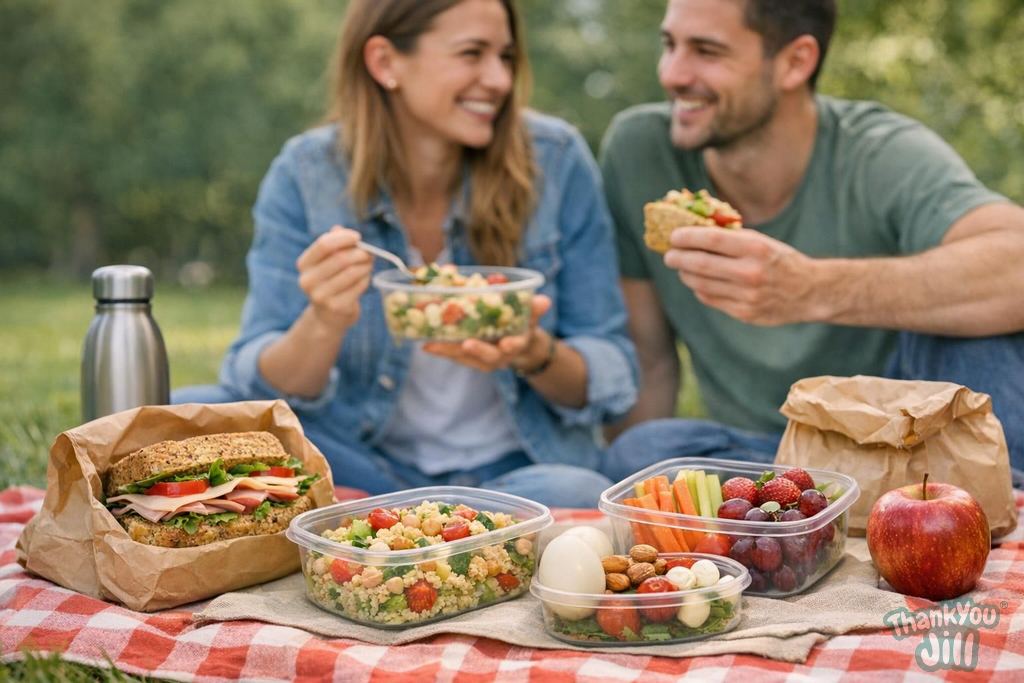
The packed lunch (the classic school trip lunch, park picnic, or cafeteria alternative) is one of the meals with the least practical guidance available to parents. The easy solutions (salami sandwich, packaged snack, juice) are nutritionally the poorest. Nutritious solutions require planning but aren't complicated: you just need the right ideas.
The rules of the perfect packed lunch
A nutritionally complete packed lunch includes: a protein source (for satiety and afternoon neurotransmitters), complex carbohydrates (stable energy for the school afternoon), vegetables or fruit (micronutrients, fiber), and a beverage (water, not juice). It shouldn't require heating (eaten at room temperature or cold, it should taste good), shouldn't "smell" in class (fish, peeled hard-boiled eggs in class can cause complaints), and must survive in a backpack for 3-4 hours at room temperature.
The smart sandwich: much more than bread and salami
The sandwich is the most practical and versatile format. Quality depends on ingredients. Whole grain or rye bread (complex carbs, fiber) + protein (cold roast chicken, canned tuna in water, sliced hard-boiled eggs, cheese slices, hummus) + vegetables (lettuce, tomato slices, cucumber, spinach) = complete sandwich. Winning combinations: chicken + mashed avocado + lettuce (healthy fats, complete proteins, fiber), tuna in water + corn + salad (omega-3, fiber, vitamin C), mozzarella + tomato + basil (calcium, vitamin C, lycopene), hummus + julienned carrots + spinach (plant protein, beta-carotene, iron). Avoid: excessive cured meats (high sodium), large amounts of mayo (calories without nutrients), plain white bread (gets soggy and unappetizing).
Beyond the sandwich: other practical ideas
Cold pasta in a container: whole grain pasta tossed with grilled vegetables, olives, tuna, and olive oil. Prepare the night before and it improves as it sits. Grain salad: cooked and cooled farro or barley + chickpeas + cherry tomatoes + cucumber + arugula + olive oil. Rich in fiber and protein, keeps beautifully cold. Frittata slices: prepared the night before, it's excellent at room temperature. Protein-packed, versatile, pairs with any vegetable. Rice bowl: brown rice + edamame + sautéed vegetables + light soy sauce. Excellent cold. Whole grain wrap: whole wheat tortilla rolled with chicken, avocado, and lettuce is convenient to eat without getting your hands messy.
The sides: fruit and vegetables that survive in a backpack
Fruit that travels easily: apples, pears, bananas, clementines or mandarins (peel easily), grapes in a container (cut in half), strawberries in a container. Vegetables that hold up well: carrot sticks in a lidded container, cucumber slices, whole cherry tomatoes (not cut: they release water), celery sticks, red bell pepper strips. A small container of hummus (available in single-serve cups or homemade) as a dip for vegetables increases vegetable consumption even for picky eaters.
The beverage: water in a thermos or water bottle
A 500 ml water bottle with fresh water is the ideal beverage. No juice, no flavored milk, no carbonated drinks. If your child wants flavor: add lemon slices or a few mint leaves to the water. Fruit-infused water (detox water) is more appealing than plain water and has the same calorie profile. For the child who insists on juice: make fresh orange juice yourself in the morning (no added sugar, retains more vitamin C) and bring it in the water bottle: much better than store-bought.

The packed lunch shouldn't be the second-rate meal of the week. With cold pasta prepared the night before, a chicken and avocado sandwich, some carrots, and a water bottle: you have a lunch better than many school cafeterias. Plan on Sunday, prepare the night before: quality is within reach of your backpack.
The weekly packed lunch plan
Monday: whole grain sandwich + tuna + light mayo + lettuce + apple. Tuesday: cold pasta with grilled vegetables and mozzarella + cherry tomatoes. Wednesday: frittata slices + whole grain bread + carrot sticks + mandarin. Thursday: farro salad with chickpeas, cucumber, and olives + pear. Friday: whole grain wrap with chicken + avocado + spinach + clementines. With this plan, each day has different proteins, whole grain carbs, vegetables, and fruit. Ready in 10-15 minutes the night before.
How to keep lunch fresh for hours
A small insulated lunch bag with a cooling gel pack: keeps lunch at a safe temperature for up to 4 hours. Essential if lunch contains eggs, meat, or dairy in warm climates. High-quality airtight containers (Tupperware, Lock&Lock, or similar) prevent the sandwich from getting soggy or pasta from mixing with vegetables. For salads: keep the dressing separate in a small container and mix at lunchtime: the salad stays fresh and crispy much longer.
Involve your child in preparing the packed lunch
Children over 6-7 years old can actively participate in preparing their packed lunch. Choosing the sandwich type, washing fruit, preparing carrot sticks, pouring hummus into a container: small actions that increase their sense of ownership over the meal and the likelihood they'll actually eat it. A child who made their own sandwich is much more motivated to eat it than a child who had it prepared and imposed on them.
Frequently asked questions
What are the essential ingredients for a nutritionally complete packed lunch?
A complete packed lunch must include a protein source, complex carbohydrates, vegetables or fruit, and a beverage like water. These elements ensure satiety, stable energy, and essential micronutrients without needing to reheat.
How do you keep a packed lunch fresh and safe throughout the day?
Use an insulated lunch bag with a cooling gel pack to maintain the lunch at a safe temperature for up to 4 hours, especially if it contains eggs, meat, or dairy. Airtight containers prevent food from getting soggy, and keeping dressing separate for salads keeps them crispy.
What are the best alternatives to a sandwich for a practical and tasty packed lunch?
Good options include whole grain cold pasta with vegetables, grain salads like farro with chickpeas, frittata slices, rice bowls with brown rice and edamame, and whole grain wraps with chicken and avocado. They're nutritious, keep well, and taste great at room temperature.
How can you involve children in preparing their packed lunch to increase their motivation to eat it?
Involving children over 6-7 years old in simple tasks like choosing the sandwich, washing fruit, or preparing vegetables increases their sense of ownership over the meal, making them more motivated to actually eat it.


Latest News




Comments
No comments yet. Be the first!
Leave a comment