


 Italiano
 Français
 Deutsch
 Español
 Português
 Svenska
 Suomi
Suomi
Sports and Nutrition
Young Athletes
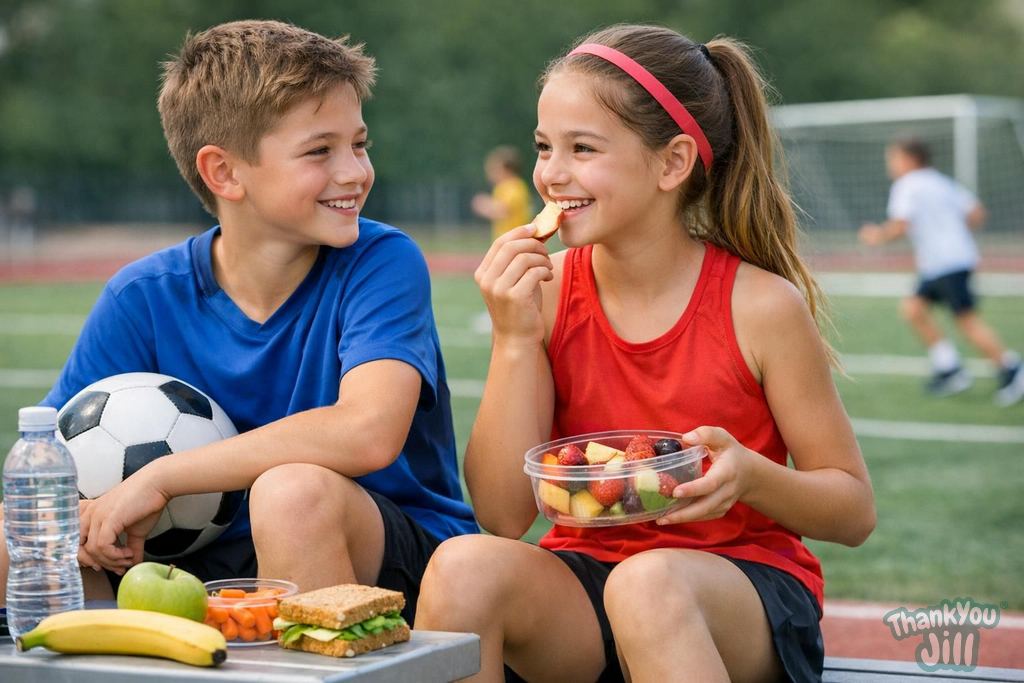
A child who plays sports 3-5 times a week is not a miniature adult: they're a growing organism with specific nutritional needs that differ from both adult athletes and sedentary children. Pediatric sports nutrition is a field where misinformation runs rampant: unnecessary supplements, inappropriate restrictive diets, poorly timed meals. The golden rule: a child athlete's sports diet is an optimized normal diet, not a special diet.
Energy needs for young athletes
Young athletes burn more calories than their sedentary peers, but the difference is often less dramatic than parents think. Calories burned during sports in children: soccer (60-minute match): 300-400 kcal. Swimming (60-minute training): 250-350 kcal. Gymnastics (90-minute training): 200-350 kcal. These extra calories are often already covered by the natural increase in appetite after exercise. Don't obsessively count calories: observe whether your child maintains proper growth and has enough energy for training and the rest of the day.
Protein for young athletes
Protein in young athletes supports muscle repair after exercise and growth. The protein requirement for child athletes is slightly higher than sedentary peers: 1.2-1.4g per kg of body weight daily (versus 0.8-1g for sedentary children). For a 30 kg child who exercises regularly: about 36-42g of protein daily. This is easily met by a normal diet with meat, fish, eggs, dairy, and legumes. Powdered protein supplements are not necessary and are not recommended for school-age children.
What to eat before and after training
Pre-training meal (2-3 hours before): whole grain pasta with light sauce, rice with chicken and vegetables, whole grain bread with protein and fruit. Light snack (30-60 minutes before): banana (quickly digestible, potassium, carbs), crackers with almond butter, yogurt with fruit. Avoid before training: very fatty or heavy meals (nausea), high-fiber foods (bloating during exercise), very sugary sweets (blood sugar spike and crash). Post-training snack within 30-60 minutes: combine carbs (replenish glycogen) and protein (muscle repair). Practical options: Greek yogurt + fruit, whole grain bread + ricotta + honey, milk and banana smoothie.
Hydration in young athletes: more critical than in adults
Children are more vulnerable to dehydration than adults: they have greater body surface area relative to volume (lose more water per kg), less efficient thermoregulation mechanisms, less accurate thirst perception. Before training: 300-500 ml of water in the hour before. During: 150-200 ml every 15-20 minutes. After: water freely until weight loss is restored. Sports drinks (Gatorade, Powerade) are not necessary for children training less than 60-90 minutes: they're water + sugar + sodium, useful only for very prolonged efforts. Water is sufficient for all normal children's sports.
Supplements not to buy for young athletes
Protein powder: not necessary, potentially problematic for kidneys if protein intake is already adequate from diet. Creatine: not recommended under age 18. Caffeine (energy drinks, pre-workout): absolutely contraindicated in children and adolescents (EFSA). Mega-dose vitamins: if diet is varied, they're not needed. Protein bars "for athletes": in most cases they're nutrient-dense cookies at premium prices. If there's a specific deficiency: the pediatrician prescribes the appropriate supplement. If there's no diagnosis, it's not needed.

Young athletes don't need protein bars or colorful sports drinks: they need a good meal 2-3 hours before training, water during, and something protein-rich with carbs after. Everything else is marketing that doesn't help the young athlete and only helps the wallet of whoever's selling it.
Nutrition plan for a day with afternoon training
Breakfast (7:30 am): oatmeal porridge with fruit and nuts. School snack (10:00 am): banana + whole grain crackers. Lunch (12:30 pm): whole grain pasta with meat ragù and vegetables. Pre-training snack (3:30 pm, training at 5:00 pm): Greek yogurt + banana. Water during training: 150-200 ml every 20 minutes. Post-training snack (6:30 pm): whole grain bread with ricotta + honey + fruit. Dinner (8:00 pm): fish or chicken + vegetables + grain. This plan balances growth and sports without supplements.
Intense competitive sports: when to see a specialist
For children training 5-6 times a week with regular competitions (especially weight-category sports like judo and wrestling, or aesthetic sports like artistic gymnastics and dance), an evaluation with a sports medicine doctor or pediatric sports nutritionist is recommended. These sports can create pressure on body image and caloric intake that requires specialized supervision to prevent eating disorders and nutritional deficiencies in growing children: serious issues that are prevented, not treated.
Iron in young athletes: the most at-risk nutrient
Intense physical activity increases iron losses (sweating, micro-hemolysis of red blood cells during foot-strike impact). Young athletes, especially girls after menarche, have increased risk of iron deficiency. Warning signs: unusual fatigue disproportionate to training load, reduced performance, frequent infections. Check ferritin + complete blood count once a year in children with regular intense sports. If ferritin is below 30 ng/ml, work with your pediatrician to correct the deficiency before any other nutritional optimization.
Frequently Asked Questions
What is the daily protein requirement for a young athlete compared to a sedentary child?
Young athletes need 1.2-1.4 g of protein per kg of body weight daily, slightly higher than the 0.8-1 g for sedentary children. This supports growth and post-exercise muscle repair, easily met by a balanced diet without supplements.
How should hydration be managed during a young athlete's training?
Before training, it's recommended to drink 300-500 ml of water, during 150-200 ml every 15-20 minutes, and after freely until weight loss is recovered. Sports drinks are pointless for training under 60-90 minutes; water is sufficient.
What should young athletes eat before and after training to optimize performance?
2-3 hours before, an ideal meal includes complex carbs and light protein, such as whole grain pasta with light sauce. 30-60 minutes before, a light snack like a banana or yogurt. After training, within 30-60 minutes, a snack with carbs and protein, for example Greek yogurt with fruit.
When is it necessary to consult a specialist about nutrition for a child in intense competitive sports?
If a child trains 5-6 times a week with regular competitions, especially in weight-category or aesthetic sports, an evaluation by a sports medicine doctor or pediatric sports nutritionist is recommended to prevent eating disorders and nutritional deficiencies.


Latest News




Comments
No comments yet. Be the first!
Leave a comment