


 Italiano
 Français
 Deutsch
 Español
 Português
 Svenska
 Suomi
Suomi
Fish and Overfishing
Species at Risk of Extinction
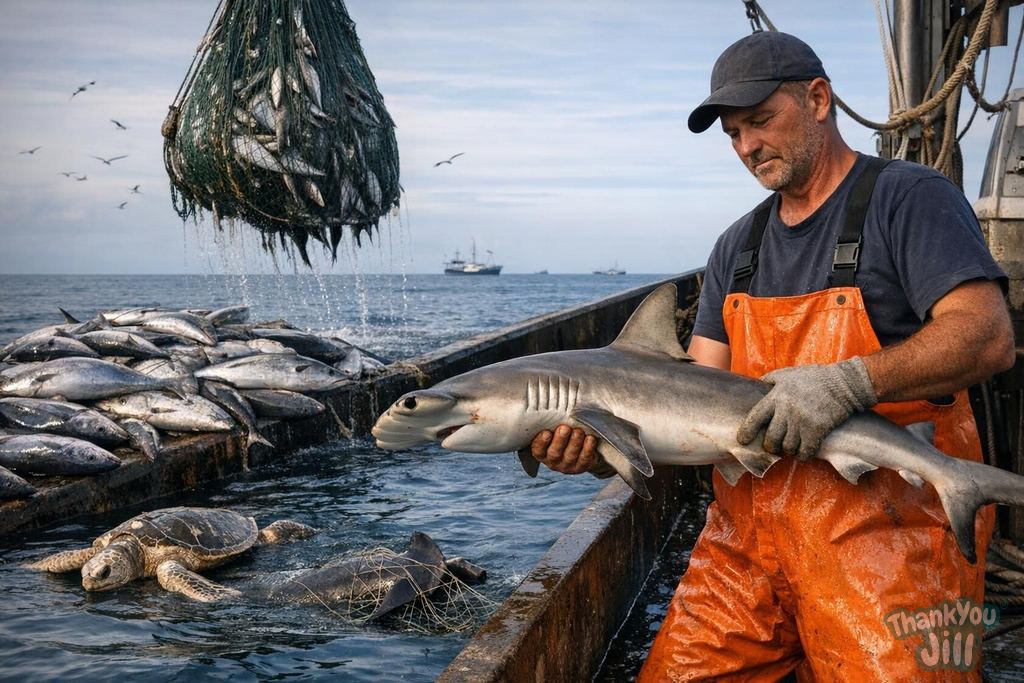
Fish is one of the healthiest foods available: omega-3, complete proteins, vitamin D, iodine. But the global fishing system is depleting it at an unsustainable rate. According to the FAO (2022), 35% of global fish stocks are overfished: caught at rates exceeding natural reproduction. 57% are exploited at maximum sustainable levels. Only 8% of stocks are underexploited. The situation has worsened continuously from the 1970s to today. Continuing to consume fish without considering species sustainability is a choice that impoverishes future generations of a fundamental food source.
Species at Greatest Risk of Overfishing
Not all fish species have the same sustainability status. The species most at risk of overfishing in the Mediterranean and European Atlantic: Atlantic bluefin tuna (Thunnus thynnus): considered vulnerable; fishing is regulated by ICCAT quotas but controls are controversial. Hake (European cod): Mediterranean stock in critical overfishing state. Swordfish: overfished in the Mediterranean. Deep-sea red shrimp (Aristeus antennatus): fishing not always regulated. European eel: in critical collapse state (population has declined 90% in the last 50 years). Sea trout: high fishing pressure. Atlantic mackerel: some populations in critical state. The International Council for the Exploration of the Sea (ICES) publishes annual updated assessments on the status of all European stocks.
The Most Sustainable Species to Choose
Species with the best sustainability status in the Mediterranean and European Atlantic: sardines (Sardina pilchardus): stocks generally in good condition, oily fish rich in omega-3 and vitamin D, low position in the food chain (reproduces quickly). Anchovies (Engraulis encrasicolus): stocks generally healthy in the northern Mediterranean, highly nutritious. Atlantic mackerel (Scomber scombrus): good status in the North Atlantic. North Atlantic cod from MSC-certified fishing (not Mediterranean): better to choose Norwegian certified varieties. Octopus: generally not overfished. Clams and mussels (farmed): among the most sustainable productions overall, due to low environmental footprint and positive filtering effect on aquatic ecosystems. Farmed oyster: same. Mullet (Mugil cephalus): often undervalued, not overfished.
What Sustainability Certifications Mean
MSC (Marine Stewardship Council): the main certification for sustainable wild-caught fish. The MSC logo (blue fish with checkmark) guarantees that fish comes from fishing with healthy stocks, responsible management, and minimal ecosystem impact. It's not perfect (criticized for excessive permissiveness in some cases), but it's the most rigorous and verified standard available. ASC (Aquaculture Stewardship Council): certification for sustainable aquaculture. Covers salmon, shrimp, oysters, farmed fish. GlobalG.A.P.: international standard for good production practices in aquaculture. Friend of the Sea: less stringent than MSC but valid for many species. How to use them: at the supermarket, prefer fish with MSC or ASC logos when available; ask your fishmonger about origin and fishing method.
Aquaculture: Solution or Problem?
Aquaculture (farming of fish, mollusks, crustaceans) has surpassed wild fishing as the main source of global fish products. It's potentially part of the solution to overfishing, but not all aquaculture is equal. Sustainable aquaculture: mussels, clams, oysters (require no feed, filter water, produce protein with minimal environmental impact), some herbivorous species like tilapia (feed on algae, not fish meal), carp (traditional in Central Europe). High-impact aquaculture: farmed Atlantic salmon (requires fish meal from wild fish, antibiotics, generates local pollution), tropical shrimp (often produced with mangrove destruction, high antibiotic use). ASC certification is the best guide to distinguish virtuous aquaculture from problematic ones.

The sea is not a bottomless supermarket: it's a fragile system we've exploited as if it were infinite. Sardines and anchovies, octopus, mussels: the most sustainable species are often the most economical, the most nutritious, the most Mediterranean. Choosing them is choosing for the future of those who come after us.
Quick Guide to Sustainable Fish at the Supermarket and Fishmonger
Buy often: sardines, fresh or canned anchovies, mackerel, octopus, mussels, clams, mullet, locally caught squid, oysters. Buy with care (look for MSC/ASC certification): salmon, tuna (prefer MSC-certified skipjack or tongol instead of bluefin tuna), shrimp. Avoid or greatly reduce: Mediterranean bluefin tuna, Mediterranean swordfish, eel, Mediterranean hake (prefer Atlantic certified varieties), uncertified tropical shrimp. Practical rule: the smaller and more gregarious the fish (sardines, anchovies, mackerel), the more sustainable it is, the richer in omega-3, the cheaper. It's the triple win that nature offers us.
Fish Labels: What to Read
In Europe, fresh and frozen fish labels must obligatorily show: the commercial and scientific name of the species, the production method (wild-caught, aquaculture, freshwater fishing), the catch zone (e.g., "North-Eastern Atlantic Ocean FAO zone 27" or "Mediterranean Sea"), the fishing gear category (trawl net, seine net, longline, etc.). Not all this information is always on labels, but you have the right to ask for it. The catch zone and fishing method are the most relevant information for assessing sustainability.
How to Integrate More Sustainable Fish into the Italian Diet
Sardines are the most sustainable and nutritious fish in the Mediterranean but are underutilized due to cultural prejudices. Simple recipes: fresh sardines grilled with oil and lemon (15 minutes), pasta with sardines (traditional Sicilian dish), sardines marinated in vinegar and onion (appetizer), baked sardines with tomatoes and oregano. Fresh anchovies: cleaned in minutes, eaten fried, baked with breadcrumbs and lemon, or marinated raw ("Menaica anchovies" Campania style). Mussels: one of the most sustainable, economical aquaculture productions, rich in iron and vitamin B12, ready in 10 minutes. The return to Italian regional maritime traditions is already a sustainable choice.
Frequently Asked Questions
What are the fish species most at risk of overfishing in the Mediterranean and European Atlantic?
The species most at risk include bluefin tuna, Mediterranean hake, swordfish, deep-sea red shrimp, European eel, sea trout, and some Atlantic mackerel populations, all subject to overfishing or stock collapse.
How do you recognize sustainable fish at the supermarket or fishmonger?
To choose sustainable fish, look for certifications like MSC for wild-caught or ASC for aquaculture. Check the label for fishing method, catch zone, and species. Prefer species with healthy stocks like sardines, anchovies, mackerel, and farmed mollusks like mussels and oysters.
When is it better to prefer aquaculture over wild-caught fishing?
Aquaculture is preferable when sustainable, such as with mussels, clams, oysters, and herbivorous species like tilapia, which have low environmental impact. Avoid high-impact aquaculture like Atlantic salmon and uncertified tropical shrimp, often associated with pollution and habitat destruction.
How much does fish choice impact the state of global fish stocks?
35% of global fish stocks are overfished, so choosing sustainable fish reduces pressure on at-risk species, preserves marine ecosystems, and ensures future availability of this essential food. Preferring low-impact and certified species helps combat overfishing.

Latest News




Comments
No comments yet. Be the first!
Leave a comment