


 Italiano
 Français
 Deutsch
 Español
 Português
 Svenska
 Suomi
Suomi
How to Store Food to Extend Its Shelf Life
Techniques to Keep Your Food Fresh Longer
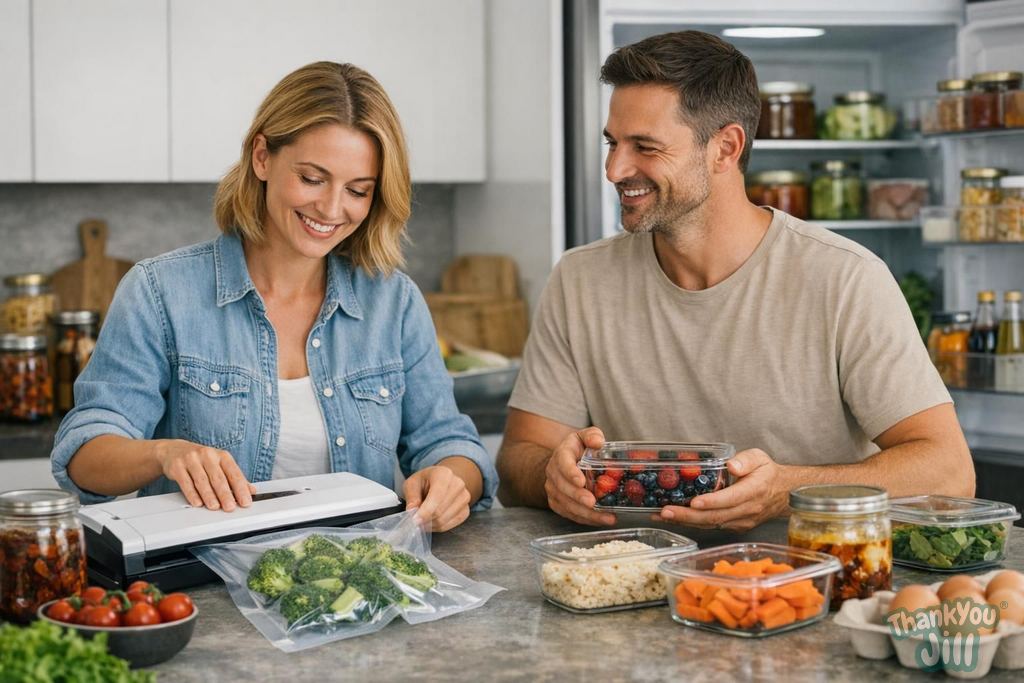
Proper food storage is the second most effective action to reduce food waste after planning your purchases. Many foods that end up in the trash don't get there because they're actually expired or inedible, but because they're stored incorrectly and deteriorate sooner than necessary, or because they're consumed in the wrong order (new before old). With just a few practical rules, you can significantly extend the life of almost every food.
The Refrigerator: Different Temperature Zones for Different Foods
Your refrigerator isn't uniformly cold—it has different temperature zones that need to be used correctly. The door: the warmest zone (8-10°C): butter, condiments, opened juices, eggs (in Italy, unlike the USA, eggs aren't washed and can stay outside the fridge, but refrigeration extends their life from 3-4 weeks to 5-6 weeks). Upper shelves (4-5°C): leftovers, ready-to-eat foods, opened soft cheeses. Middle shelves (3-4°C): dairy products, yogurt, opened cold cuts and deli meats. Bottom shelf (1-3°C, the coldest): raw meat and fish in sealed containers. Drawers (7-10°C with adjustable humidity): fruit and vegetables kept separate. Fruit releases ethylene (a gas that speeds ripening)—keeping it separate from vegetables extends the life of both. Don't refrigerate: bananas (cold blocks ethylene but the skin darkens quickly), tomatoes (cold compromises flavor and texture), whole melons and watermelons (they ripen better at room temperature), uncut potatoes and onions (cold converts starch to sugar, altering flavor), garlic (deteriorates faster in the fridge).
The Freezer: Your Best Anti-Waste Tool
The freezer is the most powerful anti-waste tool you have at home. Almost everything can be frozen, with few exceptions. Freezes well: raw meat and fish (portion before freezing), fresh sliced bread (thaws in a toaster in 2 minutes), ripe fruit (ideal for smoothies: freeze in pieces on a tray, then transfer to a bag), chopped fresh herbs in ice (basil, parsley, chives: chop and freeze in ice cubes with a bit of oil or water), vegetable, meat, or fish broth (in 500 ml containers: ready for soups), milk (in bottles or containers not filled to the brim), grated cheese (use directly from the freezer), fresh egg pasta (cook directly from the freezer, adding 2 minutes to cooking time). Doesn't freeze well: raw salads (water freezes and breaks cell walls: they become watery), fresh cheese not grated (ricotta, mozzarella: texture changes), mayonnaise and egg-based sauces, fully cooked foods with creamy sauces (the cream separates).
Fruit and Vegetables: How to Make Them Last Longer
Strawberries: don't wash them before storing (moisture speeds mold). Store in a container with paper towels on the bottom. Add a few drops of diluted white vinegar to slow mold growth. They last 5-7 days instead of 2-3. Fresh herbs (parsley, cilantro, basil): wrap in damp paper towels and store in a semi-open bag in the fridge. They keep for 1-2 weeks instead of 3-4 days. Cut avocado: squeeze lemon juice on the exposed part, wrap tightly with plastic wrap directly on the flesh (no air). Store in the fridge. It lasts 2-3 days without browning. Cut onions: in an airtight container in the fridge. Not in contact with eggs (the flavor transfers). Whole lettuce: wrap the head in damp paper towels, store in a semi-open plastic bag in the fridge. Lasts 10-14 days instead of 5-7.
Bread: How to Keep It Fresh Longer
Artisanal sourdough bread keeps much better than commercial bread: lactic acid fermentation (acidity) protects it from mold for 4-7 days at room temperature (in a paper bag or bread basket with a cotton cover). Commercial bread keeps worse because it has more moisture and less acidity. How to store it: at room temperature (not in the fridge: cold speeds starch retrogradation, making bread hard), in a paper bag (it breathes) or in a terracotta bread container. Hard bread that isn't moldy: don't throw it away! It's the starting point for dozens of recipes: breadcrumbs, bruschetta, panzanella, bread soup, meatballs, ribollita. Visibly moldy bread: yes, throw it away (bread molds produce mycotoxins).

Forty percent of household waste is improper storage: washed strawberries that get moldy in two days, lettuce forgotten at the bottom of the drawer, bread put in the refrigerator that hardens. These aren't foods that expire too quickly—they're foods that haven't yet found their optimal conditions. Ten minutes of organization when you get home from shopping is worth weeks of freshness.
The Freshness Test for Eggs
Fresh eggs sink to the bottom of a glass of water (almost no air in the air pocket). Eggs a few weeks old rest at an angle. Very old eggs float (the air pocket has expanded: don't use them). This test works regardless of the date on the label—true freshness is measured this way, not by a stamp.
How to Extend the Life of Opened Cold Cuts
Sliced prosciutto: after opening, wrap in the original wax paper (not plastic wrap: it doesn't let it breathe), store in the fridge at 3-4°C, consume within 5-7 days. If you don't use it in time: cut into cubes and freeze (for risottos, legumes, pasta: use directly from the freezer). Salami and mortadella: same approach. Open smaller packages if you don't consume much. Mozzarella: store in its liquid (regenerate the liquid with slightly salted water if it runs out), never in the refrigerator above 4-5°C. If mozzarella remains: use it for pizza or parmigiana within the day after opening.
The Vacuum Sealing Technique: A Smart Anti-Waste Investment
A vacuum food sealer (cost: €30-100) is one of the anti-waste investments with the fastest financial return. Vacuum sealing reduces oxidation and bacterial growth, extending food life by 2-5 times: meat in the fridge: from 3-5 days to 10-15 days. Cheese: from 2-3 weeks to 2-3 months in the fridge. Cut fruit and vegetables: from 2-3 days to 7-10 days. Vacuum bags are reusable: washable and reusable 10-20 times before replacement. If you cook in large quantities, vacuum sealing lets you prepare meals for the week while keeping individual components (cooked meat, grains, vegetables) much longer and safely.
Frequently Asked Questions
What are the best zones in the refrigerator for storing raw meat and fish?
The coldest zone of the refrigerator, the bottom shelf at 1-3°C, is ideal for storing raw meat and fish in sealed containers, ensuring maximum freshness and food safety.
How should I store strawberries to make them last longer?
Don't wash strawberries before storing them. Place them in a container with paper towels on the bottom and add a few drops of diluted white vinegar to slow mold growth, extending their life from 2-3 days to 5-7 days.
When is it worth using a home vacuum sealer to store food?
Home vacuum sealing is worthwhile for extending food life by 2 to 5 times, reducing oxidation and bacterial growth. It's ideal for meat, cheese, and cut fruit or vegetables, with a quick return on your investment.
Which foods shouldn't be frozen to maintain quality and flavor?
It's not recommended to freeze raw salads, fresh cheeses like ricotta and mozzarella, mayonnaise, egg-based sauces, and cooked foods with creamy sauces, because texture and flavor change significantly.


Latest News




Comments
No comments yet. Be the first!
Leave a comment