


 Italiano
 Français
 Deutsch
 Español
 Português
 Svenska
 Suomi
Suomi
Recycling Done Right
What Goes Where
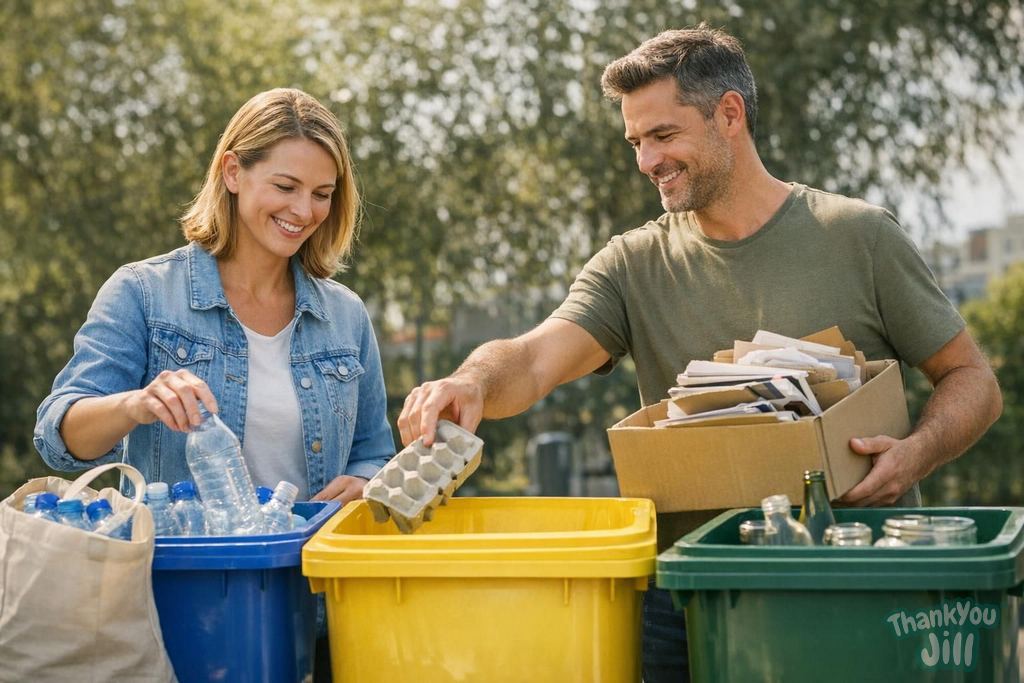
Italy ranks among Europe's top performers in separate waste collection: in 2022, roughly 67% of urban waste was collected separately, with rates exceeding 80% in the most conscientious northern regions. But having a separate collection system in place isn't enough—recycling only works when materials are properly sorted. A single item in the wrong bin can contaminate an entire bale of recyclable material, rendering it unusable and sending everything to an incinerator or landfill instead. Understanding recycling rules is an act of civic responsibility with real impact on material cycle quality.
Rules vary by municipality: why and how to find yours
Separate waste collection in Italy isn't uniform—collection specifics vary significantly from municipality to municipality, depending on available local treatment facilities and agreements with industry consortiums (COREPLA for plastics, COMIECO for paper and cardboard, COREVE for glass, CNA for metals, CONOU for mineral oils). For example: Tetra Pak goes in plastics in many northern municipalities, in paper in some central and southern ones, and in dedicated containers elsewhere. Aluminum may go with metals or plastics. Ceramics go in general waste in nearly all municipalities (they're not recycled in standard collection). To find your municipality's correct rules: the JunkerApp (available on iOS and Android) lets you search any product and see where to dispose of it based on your location. Most municipalities also have a website portal or downloadable guide. When in doubt: general waste is always better than a recyclable item placed in the wrong stream and contaminating everything.
General food recycling principles: valid almost everywhere
Plastics: rigid plastics only, and clean. No thin transparent film (rarely recycled), no dirty bags, no soiled containers (rinse before disposal—food residue contaminates everything). Adhesive labels are fine; don't remove them. Plastic caps stay on containers. Paper and cardboard: clean and dry. Pizza boxes with grease residue go in general waste (grease contaminates paper). Corrugated cardboard should be flattened. Newspapers and magazines can keep their glossy covers. Glass: glass containers only (bottles, jars). No window glass (tempered glass has different composition), no ceramics, no mirrors. Metal caps stay on jars. Organic waste: food scraps only—peels, leftover food, coffee filters, certified compostable bags (not regular plastic bags). Paper napkins, aluminum foil, and cigarette butts don't belong here. Metals: clean cans, aluminum, steel. Rinse canned food containers. Don't include baking trays with burnt-on food.
The most common questions: definitive answers
Used cooking oil: never in regular bins. It goes to dedicated collection points (recycling centers, or some pharmacies and oil retailers with dedicated containers). Oil down the drain is illegal and contaminates groundwater. Many municipalities have yellow or orange street containers for used oil—look for them or ask your municipality. Expired medications: pharmacy collection points only. Never down the toilet or in organic waste. Cork stoppers: not with glass (completely different composition). Specific collection at wine shops or CORKSFOR collection points (the cork recycling consortium). Polystyrene (expanded EPS): collection varies widely. In many municipalities it goes in general waste; in others with plastics. Check your municipality. It's not the most problematic recycling material—the real issue is small pieces dispersing in the environment. Cellophane and transparent film: usually in general waste, not rigid plastics. Batteries and cells: dedicated containers in supermarkets or electronics stores. They contain dangerous heavy metals—never in general waste. Appliances: municipal recycling centers or retailer pickup programs (mandatory by law in Italy: whoever sells a new appliance must take back the old one).
How to improve your recycling quality
Quality recycling requires: rinsing containers before disposal (a rinsed yogurt cup produces recyclable paper; a dirty one produces contaminated waste affecting the entire bale). Don't put questionable materials in the wrong stream—the "they'll figure it out anyway" approach damages overall quality. Flatten plastic bottles and cardboard: it reduces volume, lowers collection costs, and doesn't affect recycling. Remove steel caps from glass jars before disposal (two different materials). Leave plastic caps on plastic bottles (same material, automatically sorted at facilities).

Recycling only works if you do it right. One dirty yogurt container in the plastics stream contaminates the next one. Oil down the drain is an environmental crime. Ceramics in the glass bin break sorting machines. Three minutes a day of attention to separate collection matters more than any circular economy speech. Download JunkerApp: it tells you where anything goes in under 10 seconds.
Eco-centers: how to use them for special waste materials
An eco-center (also called a recycling center or waste collection point) is where you take special waste that can't be picked up through regular household collection. Nearly every Italian municipality has one. What you can bring: used cooking oils and mineral oils, expired medications, batteries, broken appliances (e-waste), TVs and monitors, fluorescent bulbs, paints and solvents, small amounts of renovation debris, mattresses and sofas, old tires. It's usually free for residents. Find yours: search online for "eco-center + your municipality name" or contact your local environmental office. Using it 1-2 times a year is enough for most households, but it keeps all those problematic materials out of general waste—materials that often end up there simply because people don't know where else to put them.
Home composting as an alternative to organic waste collection
If you have a compost bin, you're already managing organic waste the right way: turning it into something useful instead of relying on municipal collection. In many municipalities, registered home composters get a 10-30% reduction on waste disposal taxes—a real financial incentive on top of the environmental benefits. Ask your municipality about the reduction by submitting a declaration that you're using a home composter. In some regions (Tuscany, Lombardy, Veneto), there are programs offering free or heavily discounted compost bins to people who commit to composting at least 50% of their organic waste.
Teaching kids the right way to recycle
The waste sorting game: show your child different materials (plastic bottle, aluminum can, cardboard, bottle cap) and ask "where does this go?" You can do this together using JunkerApp—your child photographs the item, and you look up where it belongs together. At supermarkets with special collection points (batteries, oils, medications): bring your child along to deposit items in the right containers. Explain the why: "oil down the drain kills fish in the river" is a message kids understand and remember much better than abstract environmental reasons. Concrete examples and real-world consequences are the key to teaching kids about recycling effectively.
Frequently asked questions
How do I know if something is recyclable in my municipality?
Recycling rules vary from municipality to municipality depending on local facilities and waste management consortiums. To find out where to take a specific material, use apps like JunkerApp or check your municipality's website—this helps you avoid mistakes that contaminate the recycling stream.
What's the right way to put out plastic, paper, and glass to avoid contamination?
Clean rigid plastic, dry paper and cardboard with no food residue, and glass containers only (no ceramics or mirrors). Rinse containers and leave plastic caps on bottles, while metal caps stay on glass jars to ensure effective recycling.
Where should I dispose of used cooking oil and why can't I pour it down the drain?
Used cooking oil belongs at dedicated collection points like eco-centers or special street-side containers. Pouring it down the drain is illegal and contaminates groundwater, damaging the environment and the water cycle.
When does home composting make sense for organic waste?
Home composting makes sense if you want to turn organic scraps into something useful and reduce the amount of waste you put out. In many municipalities, composters can get reductions on waste taxes, with real environmental and financial benefits.


Latest News




Comments
No comments yet. Be the first!
Leave a comment