


 Italiano
 Français
 Deutsch
 Español
 Português
 Svenska
 Suomi
Suomi
Microplastics
Where they come from and how to avoid them
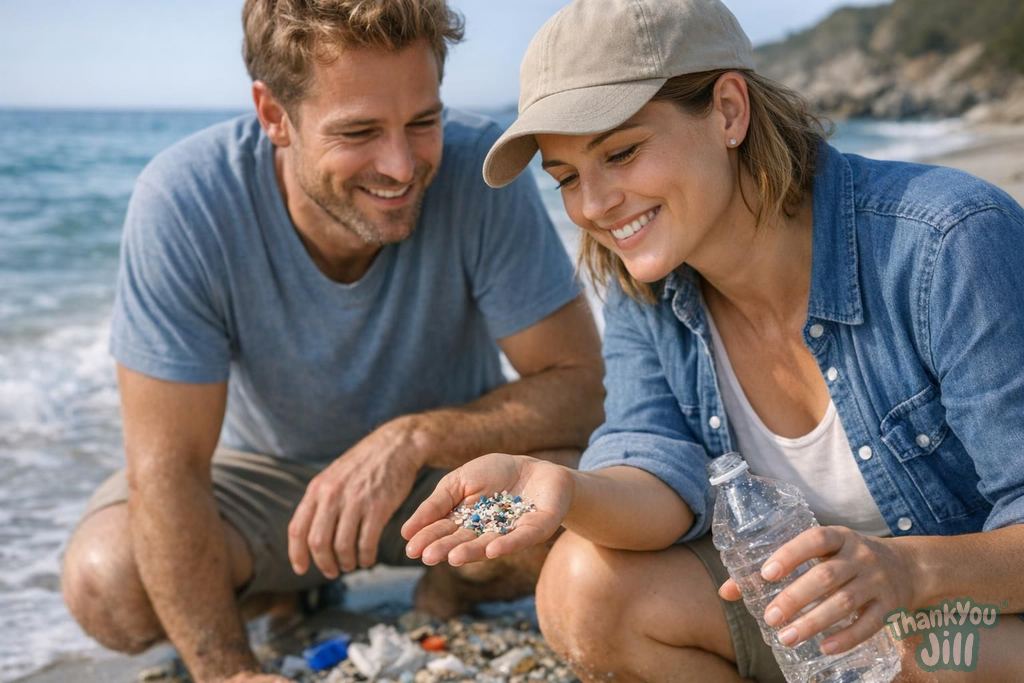
Microplastics (plastic particles smaller than 5 mm) and nanoplastics (smaller than 1 micrometer) have been found in nearly every ecosystem on the planet: in ocean depths, Himalayan peaks, Arctic glaciers, city air, tap water, bottled water, sea salt, honey, fish, meat, human blood, placenta, and breast milk. A 2022 study (Leslie et al., Environment International) detected microplastics in the blood of 17 out of 22 healthy volunteers—the first direct evidence that microplastics enter human circulation. Research on health effects is still in preliminary stages, but proposed mechanisms of biological damage include inflammation, oxidative stress, and endocrine disruption.
Main sources of microplastics in food
Bottled plastic water: PET bottles release microplastics into the water they contain, especially when exposed to heat or sunlight. A 2018 study (Shruti et al.) found microplastics in 250 mineral water bottles from 11 brands across 9 countries. The average was 325 particles per liter, with peaks exceeding 10,000. Tap water contains far fewer. Sea salt and table salt: microplastics found in sea salt samples worldwide (Kim et al., 2018), with varying concentrations. Reducing salt intake in your diet (recommended for other health reasons) also reduces this source. Fish and seafood: fish ingest microplastics in the ocean. Shellfish like mussels and clams are eaten whole, including the digestive tract, so they accumulate more microplastics than filleted fish. Tea in plastic bags: some nylon or PET tea bags release billions of microparticles into hot water (Mason et al., 2019). Use loose-leaf tea or paper tea bags instead. Plastic food containers: heating food in plastic containers (especially PP and PE) in the microwave releases microplastics into your food (Hussain et al., 2022). Use glass or ceramic for microwaving.
Non-food sources but relevant to total exposure
Synthetic fabrics during washing: each washing machine cycle of synthetic clothing (polyester, nylon, acrylic) releases 700,000 to 1 million plastic microfibers into wastewater. Some reaches rivers and oceans, while some ends up in sewage sludge used as agricultural fertilizer (and then in food). Washing machine filters and microfiber-catching bags (Guppyfriend, Cora Ball) reduce released microfibers by 70-90%. Car tires: tire wear produces rubber particles (technically polymers) that are the second-largest source of microplastics in urban waterways. Sealants and coatings: abrasion of paints and sealants in indoor environments contributes to indoor exposure (more significant than outdoor exposure in many cities).
How to reduce microplastic exposure: the most effective actions
High priority: switch from bottled water to tap water (the most significant reduction for heavy bottled water consumers), never heat food in plastic containers (use glass or ceramic for the microwave), use paper tea bags or loose-leaf tea. Medium priority: reduce purchases of plastic-packaged products (even just to minimize handling that causes particle release), gradually replace plastic kitchen containers with glass and stainless steel, use microfiber filters in your washing machine when washing synthetic fabrics. Low priority but significant long-term: reduce sea salt consumption (use rock salt iodized salt, which contains less), eat less seafood (or choose high-quality farmed varieties like oysters from controlled waters).

Microplastics are in your bloodstream right now, as you read this. This isn't fearmongering—it's biology. We don't yet know for certain how much damage they cause, but we know where they come from. Bottled water, microwaving in plastic containers, tea in nylon bags: three easily avoidable sources today. Start there, without waiting for science to say it definitely causes harm.
Tap water filters: when you need them and which to choose
Tap water in Italy is generally safe to drink and of high quality in major cities. But it has two perceived "drawbacks": chlorine taste (used for disinfection) and possible microplastic content from the water system. For chlorine: an activated carbon filter (like Brita or equivalent, or fixed under-sink carbon filters) removes chlorine and improves taste. Replace the filter according to instructions (every 1-3 months for Brita pitchers, every 6-12 months for fixed systems). For microplastics: membrane filters (reverse osmosis, ultrafiltration) remove microplastics. More expensive (€200-400 for fixed systems) but effective. In many Italian cities with excellent tap water, the investment isn't necessary for safety—it's a matter of preference. Don't buy bottled water to avoid tap water microplastics: plastic bottles contain more of them.
Microplastics and pregnancy: what we know
Research on microplastics in pregnancy is still in very early stages. Available data: microplastics have been found in human placenta (Ragusa et al., 2021, University of Catanzaro)—the first evidence that microplastics cross the placental barrier. Found in meconium (a newborn's first stool). Found in breast milk. Effects on child health cannot yet be quantified: research is ongoing. Health authorities' position (WHO, EFSA): current data don't support definitive conclusions about human health risk, but the need to reduce exposure as a precaution is recognized. For pregnant women: the same reduction actions described above (no plastic bottles, no plastic microwave use, paper tea bags) are rational even without definitive proof of harm.
How policies are addressing microplastics
The European Union adopted a regulation in 2023 banning the intentional addition of microplastics in cosmetics and other industrial sectors (REACH, restriction of intentionally added microplastics). This covers microplastics deliberately added (like exfoliating microbeads in cosmetics, already banned in many countries since 2017). It doesn't cover microplastics produced by fragmentation of larger plastics: the main source of environmental contamination. Research and regulation on nanoplastics (harder to detect and potentially more dangerous due to their ability to cross cell membranes) are still in early stages. The microplastics problem requires structural interventions in plastic production and management, not just individual exposure reduction.
Frequently Asked Questions
What are the main sources of microplastics in food and how can you reduce intake?
The main food sources are bottled water, sea salt, fish and seafood, tea in plastic bags, and heating food in plastic containers. Reducing intake means preferring tap water, loose-leaf or paper tea bags, avoiding plastic in the microwave, and limiting sea salt and seafood consumption.
How can you tell if tap water contains microplastics and when is it worth using a filter?
Tap water may contain microplastics but generally in lower quantities than bottled water. If you notice chlorine taste, an activated carbon filter improves flavor. To remove microplastics, membrane filters like reverse osmosis are needed, especially useful in areas with uncertain water quality.
How much does washing synthetic fabrics contribute to microplastic pollution and how can you limit it?
Washing synthetic clothing releases up to one million plastic microfibers per cycle, ending up in rivers and oceans. To limit this, you can use washing machine filters or microfiber-catching bags, which reduce microplastic release by 70-90%.
What happens when you heat food in plastic containers in the microwave?
Heating food in plastic containers, especially polypropylene or polyethylene, can release microplastics into your food. It's recommended to use glass or ceramic containers to avoid this contamination and reduce microplastic exposure.


Latest News




Comments
No comments yet. Be the first!
Leave a comment