


 Italiano
 Français
 Deutsch
 Español
 Português
 Svenska
 Suomi
Suomi
The Wild Cherry Tree
Spring blooms and fruit for all the forest wildlife
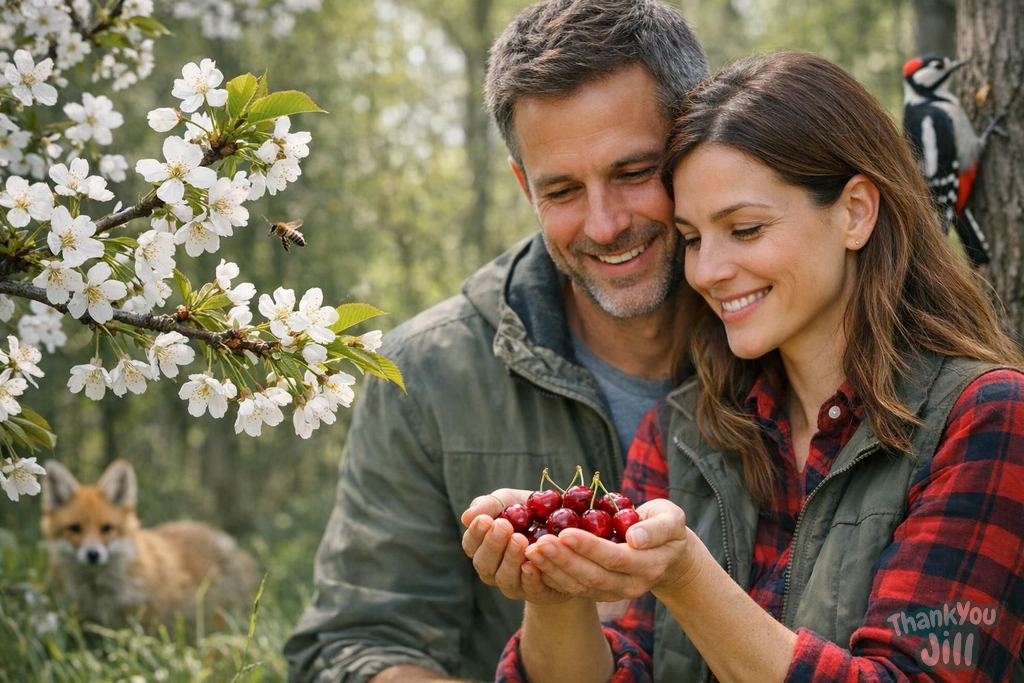
Some trees announce the seasons. The wild cherry tree is spring's prophet: it flowers before its leaves even emerge, covering itself in white when it's still cold, when the forest seems still asleep. Those who know it wait for that moment the way you wait for an old friend returning after a long winter.
The wild cherry and the cultivated cherry: an ancient story
The wild cherry tree (Prunus avium) is the ancestor of all cultivated cherry varieties (Prunus avium var. duracina, juliana, etc.). The species name — avium, of the birds — is no accident: birds are its primary seed dispersers, and the relationship between the wild cherry and bird fauna is one of the closest in the Italian temperate forest. It grows naturally in the hilly and mountainous woodlands throughout Italy, from Piedmont to Calabria, often at forest edges or in clearings, preferring fertile, fresh, and well-drained soils. It can reach 20-25 meters in height, with a straight trunk and distinctive bark: smooth, reddish-gray, with horizontal rings of lenticels (small pores) that are very prominent — one of the most reliable signs for identifying it.
The bloom: a brief and unrepeatable spectacle
The wild cherry flowers in March-April, before the leaves appear or at the same time. The flowers are white, five-petaled, clustered in groups of 2-6 along the twigs. Even a single wild cherry in bloom amid a still-gray forest is an extraordinary sight. But it's the wild cherries growing on the sunny slopes of the Apennines that create the most beautiful landscapes: in April, the slopes are covered in white like spring snow, and the sweet, delicate fragrance of the flowers carries from far away. Japan has its sakura, the ornamental cherry blossom festival, which attracts millions of tourists each year. Italy has wild cherries on the Apennines — equally beautiful, far less celebrated.
The fruit: a feast for wildlife
Wild cherries ripen in June-July. They're smaller than cultivated cherries, often bittersweet, bright red or nearly black when ripe. For humans they're edible (though less sweet than fruit varieties), but their true importance is ecological: they're one of summer's most vital foods for dozens of animal species. Thrushes (fieldfare, song thrush, blackbird) are particularly fond of them and greatly aid seed dispersal — a single jay or thrush can swallow dozens of cherries in a day and deposit seeds kilometers away in their droppings. Blackbirds, robins, warblers, starlings, thrushes, orioles, woodpeckers, jays, and crows also feed on wild cherries. Among mammals, foxes, badgers, wild boar, squirrels, and dormice eagerly take advantage of them. The wild cherry is, in ecological terms, a keystone food source — a food resource so widely used that its presence or absence reshapes the entire structure of the local wildlife community.
Cherry wood: a noble material
Wild cherry wood is among the finest in Italian woodworking. Hard, fine-grained, with a warm honey-reddish color, it works beautifully and takes a polish extraordinarily well. It's used for fine furniture, flooring, inlays, turned objects, and musical instruments. As it ages, cherry wood progressively darkens toward a golden chocolate color — a characteristic that makes it even more desirable over time. Musical instruments made from cherry wood (guitars, violins, drum bodies) are known for the warmth of their tone.

The wild cherry flowers first, nourishes everyone, then falls silent. It asks nothing in return. It's one of those trees that teaches you something without ever opening its mouth.
How to enjoy the wild cherry tree: practical tips
- Look for it in March-April: that's flowering time. Search sunny slopes at forest edges, embankments, and hillside trail borders. The white flowers against still-gray vegetation are immediately recognizable.
- Recognize the bark: even without leaves and flowers, the wild cherry is identifiable by its smooth, grayish-red bark with characteristic horizontal lenticels — like white dashes on glossy skin. On older branches the bark peels in irregular strips.
- Taste wild cherries in June: you can pick and eat them straight from the tree (if untreated with pesticides). They're smaller than cultivated ones, sometimes slightly bitter, but have an intense, authentic flavor. Children love them.
- Observe wildlife in June-July: a wild cherry laden with ripe fruit is one of the forest's most interesting wildlife observation points. Sit at a distance and wait: within minutes you'll see thrushes, blackbirds, starlings, wood pigeons, and perhaps even a fox at dusk.
- Respect wild cherries in public forests: picking wild cherries in small quantities for personal consumption is generally permitted, but not in protected areas or on private property without permission. Never shake the branches: you risk damaging unripe fruit and younger branches.
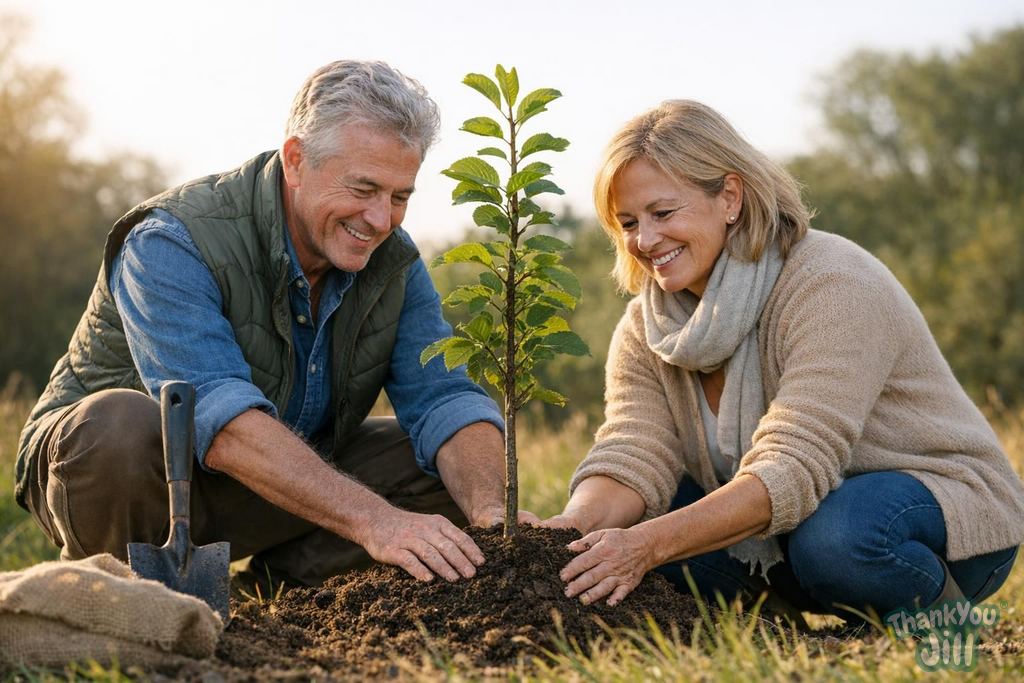
- If you want to plant one: the wild cherry is one of the best choices for a natural garden. It flowers beautifully in spring, provides summer shade, and in autumn the canopy turns orange-red. It grows well from lowlands up to 1,500 meters. Beware of ornamental Japanese double-flowering cherries: they produce no fruit and have no ecological value for local wildlife.
The wild cherry is a tree that gives generously: beauty in spring, food in summer, shade in summer, precious wood in old age. Every garden, every park, every country hedge that includes it becomes a better place for all life around it.
Frequently Asked Questions
What are the distinctive signs for identifying the wild cherry tree even without flowers or leaves?
The wild cherry tree is recognized by its smooth, reddish-gray bark with prominent horizontal rings of lenticels, similar to white dashes on glossy skin. On older branches the bark peels in irregular strips.
How does the presence of the wild cherry tree affect the local wildlife ecosystem?
The wild cherry tree is a key food source for many animal species, including birds and mammals, which disperse its seeds. Its presence significantly reshapes the structure of the local wildlife community, acting as a fundamental ecological resource.
When is the best time to observe the wild cherry tree's flowering and fruiting?
Flowering occurs between March and April, before or at the same time as leaf emergence, while fruit ripens between June and July, offering an ideal time to observe the wildlife feeding on the cherries.
Why is it better to plant a wild cherry tree in a natural garden than a Japanese ornamental cherry?
The wild cherry offers spring flowering, fruit useful to wildlife, summer shade, and colorful autumn foliage, while Japanese ornamental double-flowering cherries produce no fruit and have no ecological value for local wildlife.

Latest News


Comments
No comments yet. Be the first!
Leave a comment