


 Italiano
 Français
 Deutsch
 Español
 Português
 Svenska
 Suomi
Suomi
Enchanted Trees and Magical Forests
Italian folk legends about trees, region by region

Italy is a country of stories — and many of the oldest and most vibrant stories are those that dwell in forests and trees. Before the saints and their miracles arrived, before the philosophers and their systems, there was the elder at the crossroads, the walnut of the witches, the fig tree that must never be felled. There was an entire ecology of the imagination that developed alongside the real ecology of the forest. Some of these stories still live on, in rural villages, in farming families, in proverbs we no longer explain but continue to recite.
The Walnut as the Witches' Tree (Benevento and the South)
The most famous and widespread legend of southern Italy associates the walnut with witches. The Walnut of Benevento — a specific tree that medieval and modern folk tradition places near the Campania city — was the nightly gathering place of witches, the Sabbath of the janare (the witches of Benevento). The witches would anoint themselves with a magical ointment (in fact, historical inquisitorial sources and modern ethnobotanical studies suggest these ointments contained alkaloids from henbane, belladonna, or mandrake — hallucinogenic substances that could produce the sensation of flying) and would meet beneath the walnut at night. The choice of walnut is no accident: the juglone that the walnut releases into the soil prevents the growth of other plants (creating a barren surrounding area), its dense canopy and the twisted form of old specimens create a visually evocative environment, and the use of its fruits and leaves in traditional herbal practices made it an ambiguous plant between medicine and magic. Similar stories are found in Calabria, Sicily, Basilicata, and Sardinia.
Sprites and Trees in Lombardy and Piedmont
In northern Italy, the tradition of sprites linked to trees is widespread. The bogghi or bosin of Lombardy are little spirits that inhabit old walnuts, solitary oaks at field edges, and elms at crossroads. They are not necessarily malevolent — they can be mischievous (hiding objects, frightening children) or protective (warning farmers of dangers, protecting livestock). The Piedmontese tradition of the masco and the agane includes figures of sprites that inhabit chestnut forests and mountain walnut groves in the Alps. The felling of certain "inhabited" trees required specific propitiatory rituals — even in the nineteenth century, Piedmontese farmers would ask forgiveness from the tree's spirits before cutting down an old walnut or a centuries-old linden.
Boundary Trees and the Dead: Italian Peasant Culture
Throughout rural Italy, trees at field boundaries — the tree boundary markers — held both legal and sacred significance. Mulberries, elms, wild cherries, and especially cypresses planted at crossroads, along pathways, and in cemeteries were associated with the dead and the afterlife. The cypress (Cupressus sempervirens), evergreen and narrowly tapered toward the sky, was the symbol of the soul's ascension and dignified death throughout Mediterranean culture — even today it is the quintessential tree of Italian cemeteries. The elder (Sambucus nigra) in the folk traditions of the Po Valley was the tree beneath which the Madonna of the Elders dwelt, an ambiguous figure between saint and witch. Felling an elder brought misfortune — a tradition with practical roots (raw berries are slightly toxic) but which crystallized into a magical prohibition.
Tuscan and Umbrian Tradition: Sacred Trees and Shrines
In Tuscany and Umbria, the tradition of votive shrines — small chapels placed at road junctions, often beneath specific trees — preserves traces of the ancient cult of boundary trees. The shrines beneath elms and centuries-old cypresses in the Tuscan countryside represent the Christian overlay on older traditions of tree veneration. In Sardinia, pre-Nuragic and Nuragic culture left traces of the veneration of oaks (ilex) and wild olives in rural areas that survive as "special places" still perceived as such by local communities.

Every walnut at a field's edge, every cypress at a crossroads, every elder in grandfather's garden has its own story. They weren't invented by chance: they are the memory of a relationship with trees that was daily, physical, necessary. When people stopped depending on trees for food and warmth, they also stopped telling those stories. But the trees are still there.
How to Collect and Pass Down Tree Legends in Your Area
- Ask the elders in your town: people over 70 or 80 in Italian rural areas often preserve, almost unconsciously, fragments of these traditions. Ask: is there a particular tree near the village? A forest with a story? A tree people said not to approach at night? A fig tree that "shouldn't be felled"? The answers often surprise.
- Consult regional folklore collections: every Italian region has collections of traditions and folk legends published by regional ethnographic institutes. The Library of Italian Folk Traditions by Olschki (Florence), Italian Popular Culture by Alfonso Maria Di Nola, or specific regional collections (e.g., Lombard Tales and Legends) are invaluable sources.
- Visit the Museum of Witches in Benevento: the civic museum of Benevento dedicates a section to the tradition of the janare and the witches' walnut, with historical documents, artistic representations, and ethnographic material. It's a concrete way to see how a tree legend transformed into local cultural identity.
- With children — create your own book of local legends: with children, collect (by interviewing) a story about a tree or forest in your area (a classmate's grandfather or grandmother, the village elder). Write it down, illustrate it, bind it. The result — even if it's just a 10-page notebook — is an act of cultural documentation with real value.
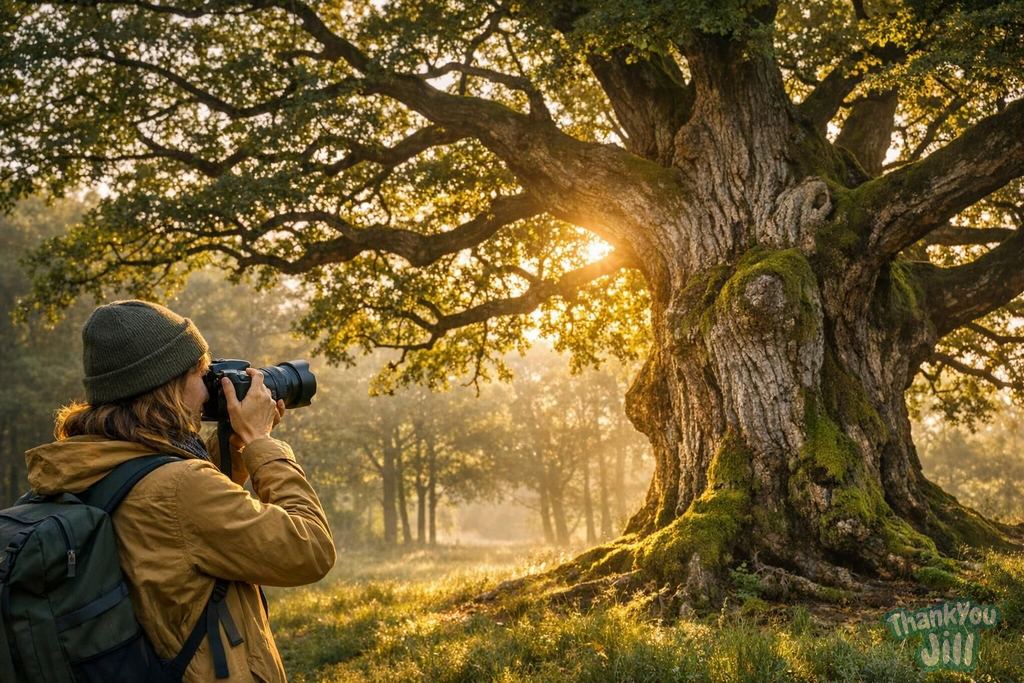
- Photograph trees with stories in your territory: every tree with a story — the boundary walnut, the crossroads cypress, the fig in the old house's courtyard — deserves a photograph and a written note. These images, shared on portals like iNaturalist or municipal websites, contribute to the cultural memory of the territory.
Tree legends are not superstitions to overcome: they are the cultural documentation of a millennia-old relationship between Italian humanity and the forests that surrounded it. Collecting them, transcribing them, and passing them down is an act of preserving Italian intangible cultural heritage, which is no less valuable than the preservation of the trees themselves.
Frequently Asked Questions
What is the significance of the walnut in the witch tradition of Benevento?
The Walnut of Benevento was considered the nightly gathering place of witches, the Sabbath of the janare. Its juglone prevents the growth of other plants, creating an evocative environment, and its herbal properties made it a symbol of ambiguity between medicine and magic.
How do sprite traditions linked to trees manifest in Northern Italy?
In Lombardy and Piedmont, sprites like the bogghi and masco inhabit old trees such as walnuts, oaks, and chestnuts. They can be mischievous or protective, and the felling of inhabited trees required propitiatory rituals to respect the spirits.
Why is the cypress associated with cemeteries and death in Mediterranean culture?
The cypress, evergreen and tapered toward the sky, symbolizes the soul's ascension and dignified death. For this reason it is traditionally planted in cemeteries and at boundaries, representing a link between the world of the living and the afterlife.
How can tree legends in your territory be collected and passed down?
They can be collected by interviewing local elders, consulting regional folklore collections, visiting dedicated museums like the one in Benevento, creating illustrated books with children, and photographing trees with stories to preserve their cultural memory.


Latest News



Comments
No comments yet. Be the first!
Leave a comment