

 English
 Italiano
 Français
 Deutsch
 Español
 Português
 Svenska
 Suomi
Suomi
Proper Tree Pruning
When, how, and why to prune a tree without damaging it
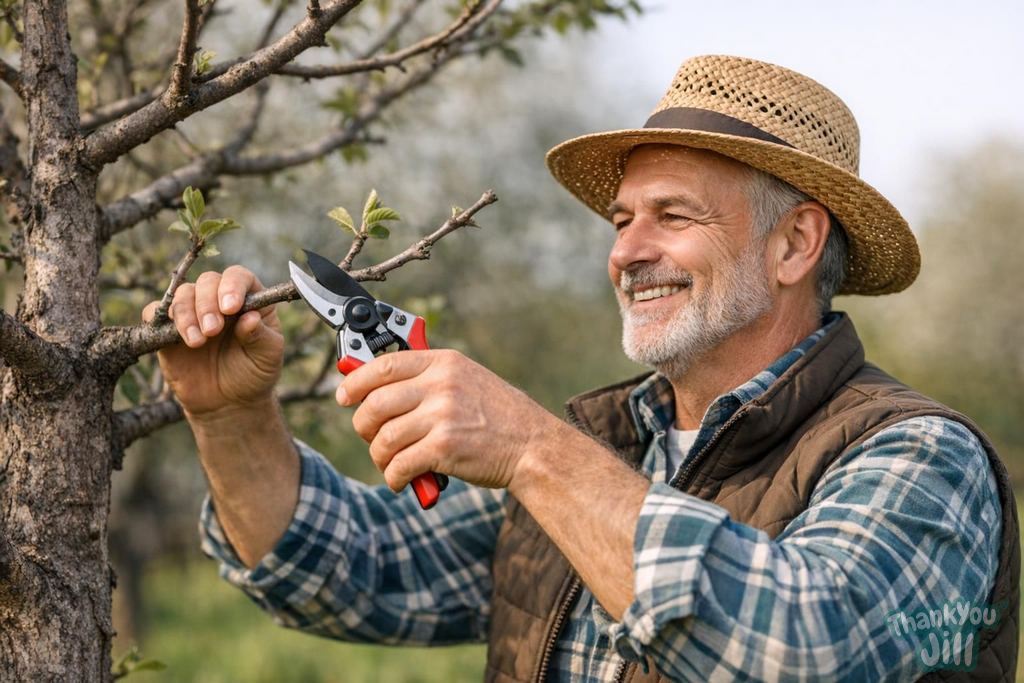
There's a scene that repeats itself every year in Italian cities and gardens: a man on a ladder with a chainsaw systematically cutting the branches of a plane tree or linden, leaving behind ugly stumps with no biological purpose. It's called "topping" or "heading back" — and it's one of the most damaging practices you can inflict on a tree. It's not pruning: it's mutilation. And it often condemns the tree to a slow death or decades of suffering.
Why prune a tree: the valid reasons
Pruning is justified only in specific cases, with clear objectives. Safety: removal of dead, broken, diseased, or structurally unstable branches that could fall on people or property. This is the most urgent and most valid reason. Tree health: removal of branches infected by fungi or pests to limit spread. Structure: in young trees, directing growth to prevent weak branch unions or branches with angles that are too acute. Infrastructure conflicts: moving branches away from power lines, buildings, street lights — only to the extent strictly necessary. Fruit production: in fruit trees, productive pruning encourages fruiting. Aesthetic form: valid only in very specific contexts (formal gardens, historic landscapes), never as a systematic practice on free-growing trees.
The right timing: when to prune
The timing of pruning depends on the objective and the species. General rule: deciduous broadleaf trees are best pruned in late winter (January–March), when they're in complete dormancy. Cuts made during this period heal more easily with the arrival of spring. Avoid pruning broadleaf trees in early autumn (September–October): the healing tissues close more slowly and exposed wood is more vulnerable to fungi. For fruit trees, each species has its optimal timing — generally late February to March for apples and pears, after flowering for cherries. Conifers are best pruned in summer (June–July), when resin is abundant and quickly seals the cuts. Mediterranean evergreens (holm oak, olive) are pruned in spring (April–May) or early autumn.
How to cut correctly: the branch collar cutting technique
The correct cut is the cut at the branch collar — the slightly swollen area of tissue found at the base of each branch, at the point where it attaches to the main branch or trunk. The collar contains specialized cells responsible for healing woody tissue: if the cut is made just outside the collar (without cutting into it), the tree rapidly produces callus tissue that closes the wound within weeks or months. If the cut is made too flush with the trunk (removing the collar as well), the healing capacity is compromised and the wound remains open for years, vulnerable to fungi and bacteria. If the cut is made too far from the trunk (leaving a stub), the stub dies, rots, and becomes an entry point for pests. The three most common mistakes: cutting with a residual stub (too long), flush cutting that removes the collar (too short), and non-perpendicular cuts that leave an irregular surface difficult to heal.
Topping: why it's a crime against trees
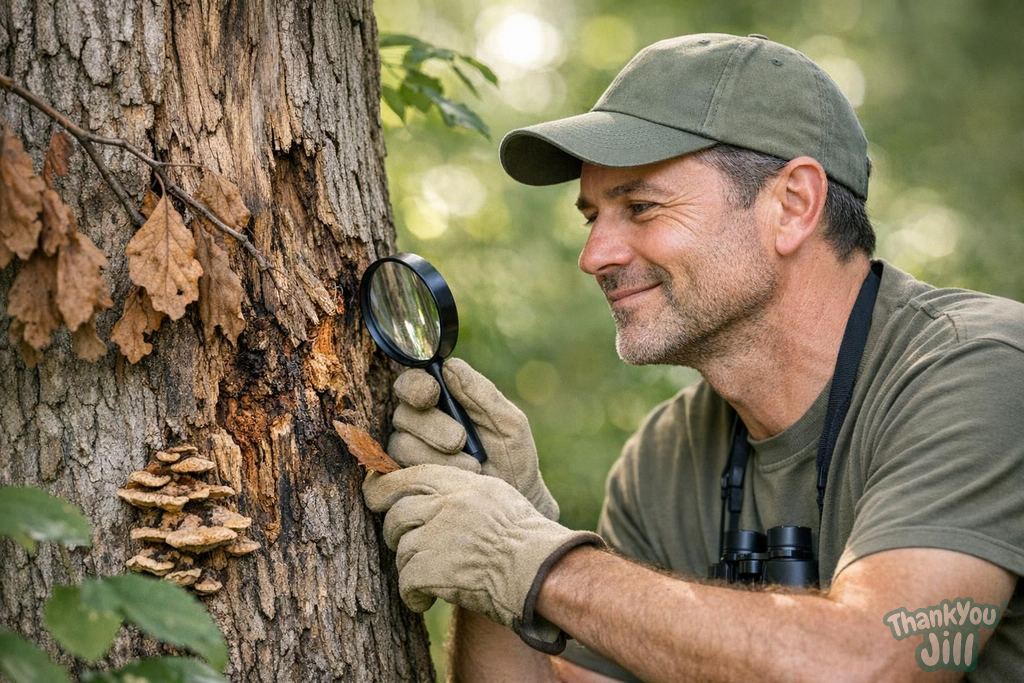
Topping (or heading back) consists of indiscriminate cutting of main branches halfway through, leaving large stubs with no structural logic. It's practiced systematically on lindens, plane trees, and elms in Italian cities, often justified by the need to "reduce the tree's volume" or "let in light." The damage is severe and often irreversible: the remaining stubs have no healing collar — they're open wounds that never fully close. Wood-decay fungi (Ganoderma, Fomes, Inonotus) colonize the exposed wood and cause rot that progressively weakens the tree's structure. The tree responds by producing dozens of epicormic sprouts (new shoots) from the stubs — chaotic, non-structural growth with weak attachments. Within a few years, the stubs are covered with bundles of thin branches that have little aesthetic value and no structural value. Topping significantly reduces the lifespan of trees. In many Italian municipalities, topping protected trees is prohibited. In others, it's still systematically practiced by low-cost landscaping contractors.

A properly pruned tree is almost invisible — the cuts are small, in the right place, and the canopy maintains its natural shape. A topped tree you can see from far away: those ugly stubs tell you that someone was in a hurry, or didn't know, or didn't care what they were doing to a living being. The difference between the two is called competence and respect.
How to manage tree pruning in gardens and cities
- Before pruning, ask yourself if it's really necessary: the best pruning is often the pruning you don't do. A branch that threatens no one and isn't diseased doesn't need to be cut just because it "casts shade" or "looks unsightly." Trees adapt well to their natural form without human intervention.
- Use sharp and disinfected tools: pruning shears, saws, and chainsaws must be sharp (a clean cut heals better than a ragged one) and disinfected with 70% alcohol between cuts to prevent the spread of pathogens from one branch to another or from one tree to another.
- Don't use wound dressing or healing paste: dendrology research over the past 30 years has shown that wound dressing pastes (those green or black ones that were smeared on cuts) don't accelerate wound closure and can actually prevent it, creating a moist environment favorable to fungi. Natural healing is always preferable.
- Hire a certified arborist for major work: for pruning large trees, monumental trees, or assessing the stability of at-risk trees, consult an ISA-certified arborist (International Society of Arboriculture) or ETW (European Tree Worker). The ISA Italy website and SISEF (Italian Society of Forestry and Forest Ecology) maintain registries of certified professionals.
- Report topping to your municipality: if a private contractor or the municipality itself is topping protected trees in your neighborhood, you have the right to report it to the Public Green Office and Environmental Department. Many municipalities have specific regulations prohibiting topping of valuable trees.
A tree pruned correctly every 5–7 years, with small cuts at the right time, never shows signs of pruning — it remains beautiful, healthy, and structurally robust. A tree topped every 2–3 years ages rapidly, weakens, and often must be removed for safety reasons years before it should be. Correct pruning doesn't cost more than incorrect pruning: it takes the same effort and requires only a bit more knowledge.
Frequently Asked Questions
What is the best time to prune deciduous broadleaf trees and why?
The best time to prune deciduous broadleaf trees is between January and March, during complete dormancy. During this period, cuts heal more easily with the arrival of spring, reducing the risk of infections and damage to woody tissue.
How do you recognize a correct pruning cut versus a damaging one?
A correct cut is made just outside the branch collar, preserving the specialized cells responsible for healing. Cuts that are too flush or leave long stubs compromise healing, promoting rot and fungal infections.
Why is topping harmful to trees and what consequences does it cause?
Topping consists of drastic cutting of main branches leaving stubs without a collar — wounds that don't heal. This promotes fungal infections, disorderly growth of weak sprouts, and drastically reduces the tree's lifespan and stability.
When should you hire a certified arborist for tree pruning?
You should hire a certified arborist for pruning large, monumental, or structurally at-risk trees. These professionals ensure interventions that respect plant biology and safety, preventing irreversible damage to trees.

Latest News




Comments
No comments yet. Be the first!
Leave a comment