


 Italiano
 Français
 Deutsch
 Español
 Português
 Svenska
 Suomi
Suomi
Adopt a Tree
Italian, European, and international programs to adopt and protect trees
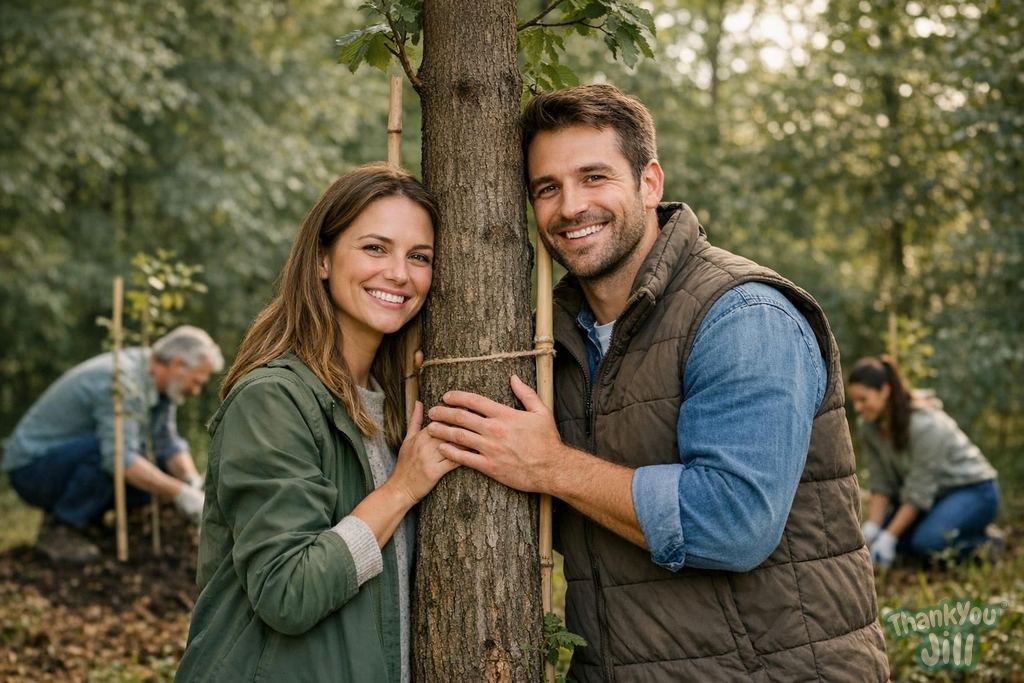
There's an important difference between planting a tree and adopting a tree. Planting is creating new life. Adopting is caring for something that already exists — taking responsibility for a living being that already has a history, a place in the world, perhaps even a name. Both make profound sense. Both are possible for anyone, usually with a modest financial commitment.
What does it mean to adopt a tree
Tree adoption programs vary greatly in their form and objectives. In its most concrete form, adopting a tree means contributing financially to the care, protection, or planting of a specific tree, receiving in return documentation (certificate, photograph, GPS coordinates, possibly a plaque) that attests to your connection with that tree. In some programs, the adopter can physically visit "their" tree. In others, the contribution goes to a general fund for managing a forest area. The key is choosing programs with documentary transparency — ones that tell you where the tree is located, what's being done with your contribution, and how you can verify that the tree actually exists.
Italian adoption programs
Several tree adoption programs exist in Italy, managed by different organizations. ThankYouJill: the project that inspired this blog — adoption of trees to be planted in Italy with certified documentation, customizable dedication, and tracked environmental impact. It's among the most structured and transparent Italian programs. Treedom: an Italian platform that lets you "plant" and follow the growth of a tree in Italy or tropical countries (Cameroon, Madagascar, Kenya, Colombia), with periodic photographs and precise georeferencing. Boschi Italiani: a reforestation program managed by Legambiente that allows you to adopt a forest area in various Italian regions. Monumental Olive Trees of Puglia Program: in Puglia, various municipalities and cooperatives have launched adoption programs for historic olive trees affected by Xylella or at risk — the adopter contributes to the care of the centuries-old olive tree and receives olive oil as "compensation." Italian National Parks: some National Parks (Gran Sasso, Stelvio, Cilento) have adoption programs for forest areas or individual specimens as part of conservation campaigns and fundraising efforts.
European and international programs
Plant for the Planet: a global initiative founded in 2007 by a 9-year-old German boy, Felix Finkbeiner, now with over 15 billion trees planted in 80 countries. The program accepts certified adoptions and plantings with complete documentation. Rainforest Trust: allows you to protect tropical forests directly by purchasing and designating areas of primary forest for permanent protection. Terrasos (Colombia): tropical and aquatic ecosystems in Colombia with certified adoption. Cool Earth (UK): support for indigenous communities protecting tropical forests from within — one of the programs with the best documented cost-effectiveness for actual forest protection. Eden Reforestation Projects: reforestation in devastated areas of Madagascar, Nepal, Haiti with certified adoption at very low cost (approximately €0.10 per tree planted).
How to choose a reliable program
The tree adoption market is unfortunately affected by greenwashing. Some signs of quality in a reliable program: traceable documentation (GPS, photographs, tree type); transparency about fund usage; guarantees on long-term tree survival; avoid programs that promise CO2 compensation without long-term monitoring documentation; prefer programs certified by recognized standards (Gold Standard, Verra VCS for carbon compensation).

Adopting a tree is not a symbolic gesture. It's a real connection with a living being in a specific place in the world. It doesn't know you. It doesn't know you exist. But it grows, and you know it. And twenty years from now, if you have the documentation, you can go back to visit it. And it will be bigger. And you might be older. But the bond will still be there, made of photosynthesis and memory.
How to choose the right program for you: a practical guide
- For a birthday or anniversary gift: Treedom and ThankYouJill are among the most suitable Italian programs for gifts — they provide customizable certificates, periodic photographs of the tree, and dedication messages. Costs range from €15 to €50 for a single tree with complete documentation.
- For a company wanting to offset emissions: programs certified with Gold Standard or Verra VCS standards are most reliable for documented carbon compensation. Cool Earth, Eden Reforestation, and Terrasos are among the most transparent. Avoid compensation programs without independent certification.
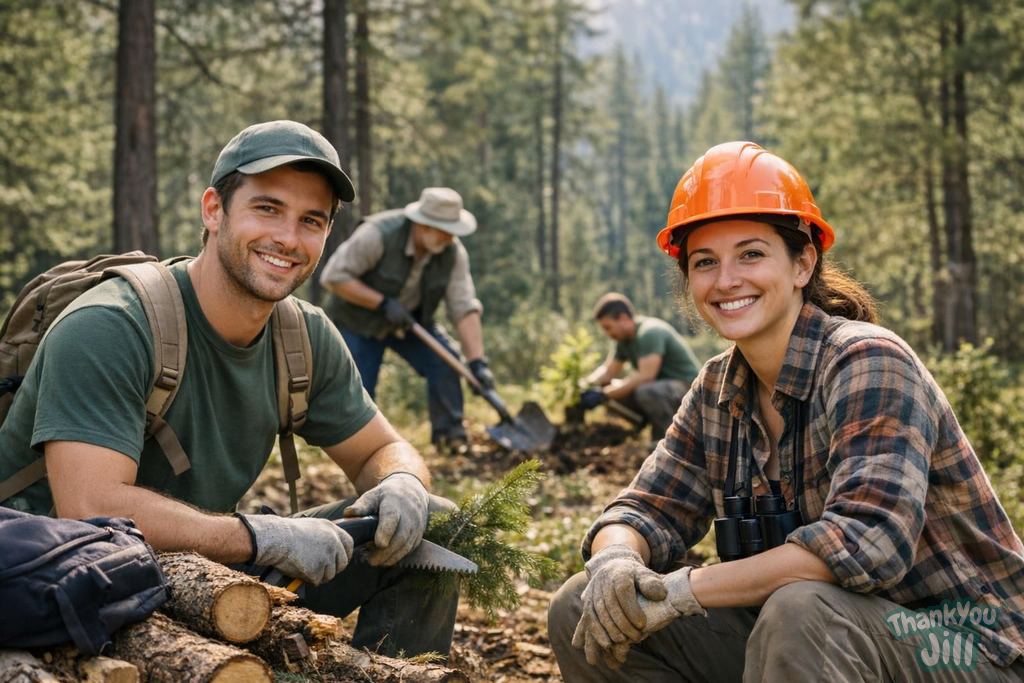
- For a physical and participatory experience: Legambiente programs (Boschi Italiani) and Italian National Parks often organize planting days where you can physically participate in planting your tree. It's the most engaging adoption — your hands in the soil, you see your tree planted, you know the forest where it grows.
- For tropical forest protection: Rainforest Trust and Cool Earth are programs with the most robust documentation on forest protection effectiveness. They don't plant new trees — they protect existing ones through support for local communities and land rights acquisition.
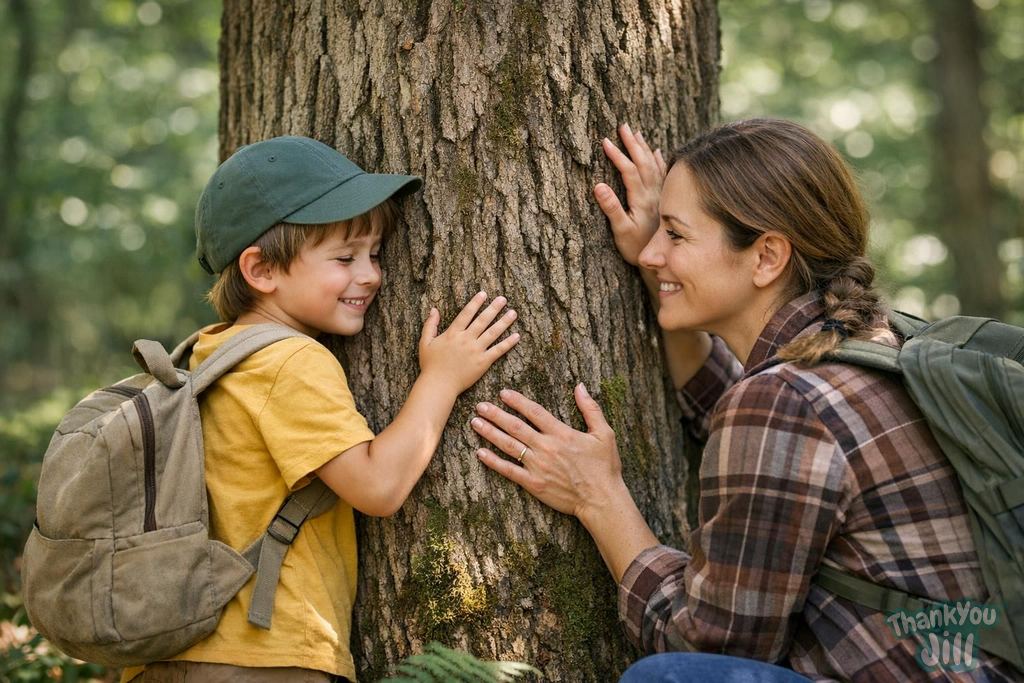
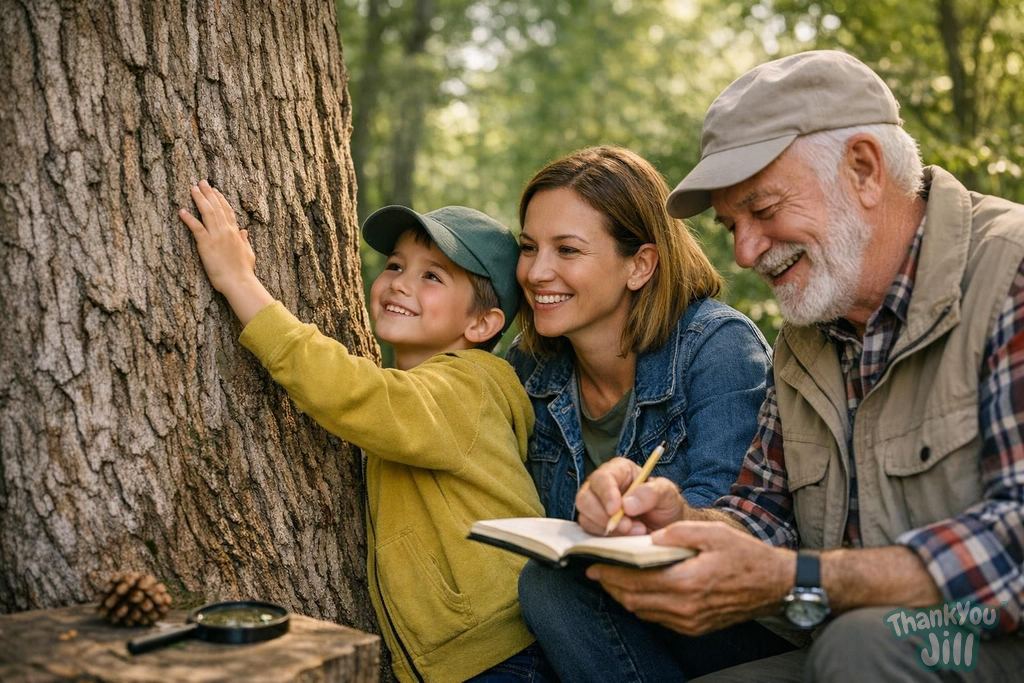
- With children — the family tree: adopting a tree together as a "family tree" — with a name, a photograph, a place to visit — is one of the most lasting educational gifts you can give a child. Choose the program together, hold an "adoption ceremony," visit the tree if it's accessible. Every year, on a special occasion, look at the photographs of "your tree" together and see how much it has grown.
Adopting a tree is one of the most concrete and lasting actions an individual can take for nature. It requires no technical knowledge, no large plot of land, no large financial investment. It requires only the willingness to create a bond with something that will grow far beyond the day you chose it.
Frequently asked questions
What's the difference between planting a tree and adopting a tree?
Planting a tree means creating new life, while adopting a tree involves caring for an already existing tree, taking responsibility for its protection and growth, often with documentation that attests to your connection with that tree.
How do you choose a reliable tree adoption program?
A reliable program offers traceable documentation (GPS, photos), transparency about fund usage, guarantees on tree survival, and preferably recognized certifications like Gold Standard or Verra VCS for carbon compensation.
When is it worthwhile to adopt a tree through certified programs for emissions compensation?
It's worthwhile to choose certified programs like Cool Earth, Eden Reforestation, or Terrasos when you want to offset emissions transparently and with documentation, avoiding programs without independent certifications that might not guarantee compensation effectiveness.
How can adopting a tree become an educational experience for children?
Adopting a tree together with a child, with a name, photo, and a place to visit, creates a lasting bond. It's an educational gift that teaches responsibility and respect for nature, allowing you to follow the tree's growth over time and strengthen your connection with the environment.
Latest News
Comments
No comments yet. Be the first!
Leave a comment