

 English
 Italiano
 Français
 Deutsch
 Español
 Português
 Svenska
 Suomi
Suomi
Forest Volunteering in Italy
How to actively participate in caring for and protecting Italian forests
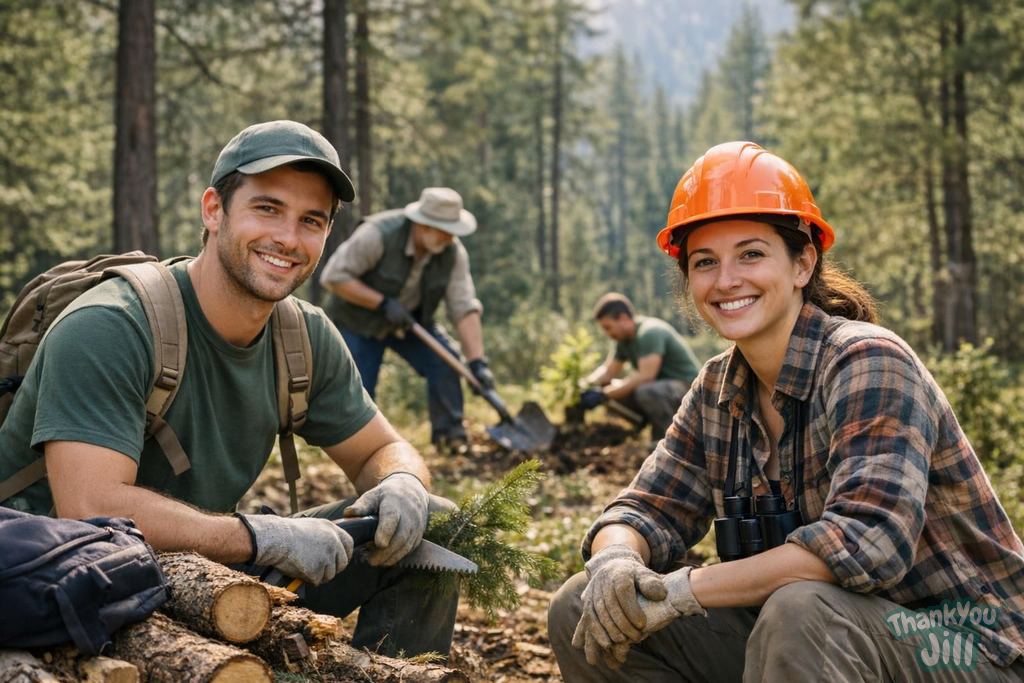
Talking about trees matters. Writing about trees is necessary. But ultimately, what really makes a difference is being there, hands in the soil, planting a tree, removing an invasive plant, building a nesting box, walking a fire prevention trail. Forest volunteering transforms words into concrete action — and Italy needs countless concrete actions for its forests.
Types of forest volunteering available in Italy
The range of forest volunteering opportunities in Italy is broad and diverse. Reforestation and tree planting: planting days in degraded areas, fire-affected zones, or urban and peri-urban areas. Organized by Legambiente, WWF, ProNatura, local associations, National Parks, and municipalities. The physical demands are modest (digging holes, planting young trees) and activities are accessible to all ages. Forest care and maintenance: undergrowth clearing, removal of invasive plants (tree of heaven, black locust in specific contexts), trail recovery, fence repairs. Requires more technical skill; often organized in collaboration with the Forest Service or mountain municipalities. Monitoring and citizen science: collecting data on biodiversity, phenology, tree health, presence of invasive species or pathogens. Doesn't require physical strength — requires observation and documentation skills. Platforms like iNaturalist, Ornitho, and National Park monitoring programs coordinate these activities. Environmental education: guiding school groups through educational forests, leading families on nature walks, facilitating outdoor educational activities. Requires communication skills and passion for science communication. Fire prevention patrols: forest patrols during high-risk periods (summer), collaboration with firefighters and civil protection in spotting and managing emergencies.
Major forest volunteering organizations in Italy
Legambiente is Italy's leading environmental association for active volunteering: it organizes Goletta Verde, Puliamo il Mondo, and numerous tree-planting and green space care initiatives. Find your local Legambiente circle at www.legambiente.it. WWF Italy manages nature reserves and oases throughout Italy and accepts volunteers for custodianship, maintenance, and monitoring. Italia Nostra focuses on cultural heritage including tree heritage — it organizes surveys, reports, and protection campaigns. CAI (Italian Alpine Club) has volunteer groups for maintaining mountain trails that pass through Alpine and Apennine forests. National Alpine and Speleological Rescue Corps (CNSAS) includes rescue and surveillance teams in forested areas. Civil Protection coordinates forest fire volunteering in many Italian regions — with specific training courses for fire emergency management. National Parks: almost all Italian National Parks have active volunteering programs — from refuge management to wildlife monitoring. Contact the park authority directly for information.
International volunteering: forest work camps
For those seeking a more intensive forest volunteering experience further afield, international work camps exist in forested areas worldwide. WWOOF (World Wide Opportunities on Organic Farms) lets you work on organic farms and agricultural businesses in exchange for food and lodging — many member farms have forests and tree rows to manage. Workaway is a similar platform that includes reforestation and green space care projects worldwide. Volunteers in National Parks in the USA allows volunteering in American national forests. GivingWay coordinates environmental volunteering in Africa, Asia, and Latin America with reforestation opportunities in deforested areas.

Planting a tree on a volunteering day, hands dirty with soil and sun on your back, is worth more than a hundred speeches about sustainability. Not because speeches don't matter — they do. But because physical action in the soil creates a different bond, more embodied, more lasting. Anyone who has planted a tree never forgets what that soil felt like between their fingers.
How to start forest volunteering: practical first steps
- Start with a single day: your first time, join a one-day initiative — a Legambiente planting day, a local CAI trail cleanup, a Puliamo il Mondo event. It requires no ongoing commitment, lets you see if that form of volunteering suits you, and connects you with the local volunteer community.
- Subscribe to local Legambiente or WWF newsletters: forest volunteering initiatives are announced via newsletter. Subscribing is the simplest way to stay informed about upcoming opportunities in your area without having to search actively.
- Contact your nearest National Park: every Italian National Park website has a "volunteering" or "programs for citizens" section. Contact the park office directly for information on active programs — many parks seek volunteers for wildlife monitoring and trail maintenance.
- Participate in National Tree Week (November 21): National Tree Day (established by Law 10/2013 on November 21) is when many municipalities, parks, and associations organize public planting initiatives. Look for events in your area on November 21 each year.
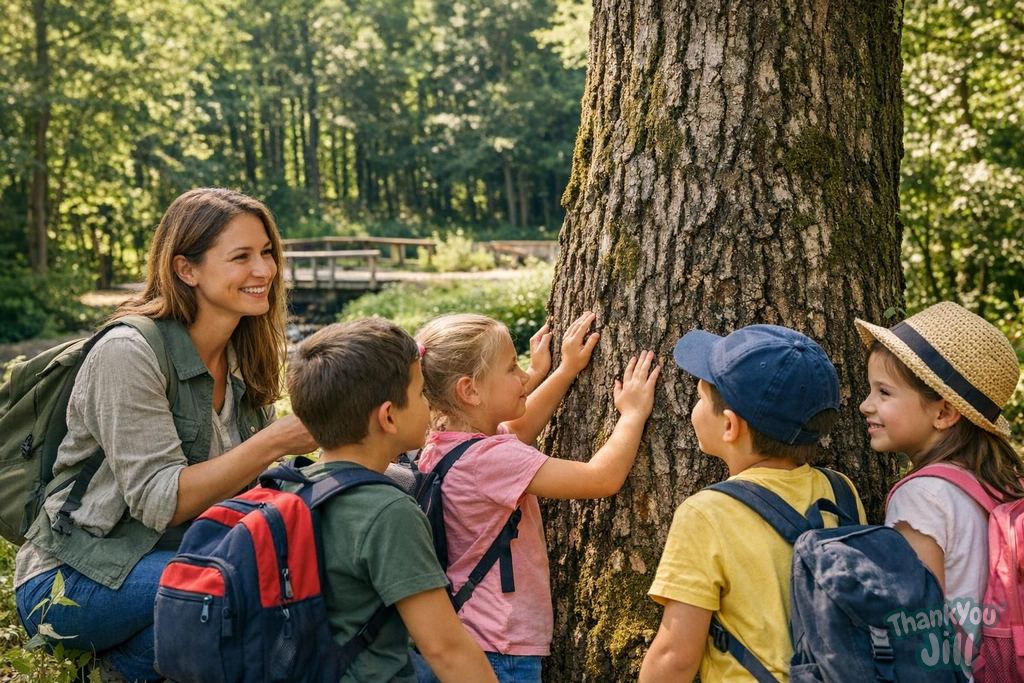
- With children — volunteering is for all ages: many planting initiatives welcome children accompanied by parents. Children's participation in forest volunteering days has double value: it contributes concretely to activities and builds in young people a sense of active responsibility for their territory. A volunteering day together — child and parent with hands in the soil — is one of the most beautiful and concrete educational investments a family can make.
Italian forests need more hands to care for them, more eyes to observe them, more voices to defend them. Forest volunteering is the most direct way to be those hands, those eyes, that voice. It requires no special skills, no expensive equipment, no large time commitments. It requires only the willingness to go out, get your hands dirty, and do something concrete for a forest that asks nothing of you — but gives you, every day, shade, air, and beauty.
Frequently asked questions
What are the main forest volunteering activities I can participate in?
Activities include tree planting and reforestation, forest care and maintenance, wildlife and biodiversity monitoring, environmental education, and fire prevention patrols. Each activity requires different skills and physical commitment, suitable for various ages and abilities.
How can I start forest volunteering if I have no experience?
You can start by participating in a single volunteering day, such as a planting or trail cleanup organized by associations like Legambiente or WWF. Subscribing to local newsletters and contacting your nearest National Park will help you find initiatives suitable for beginners.
When should I choose international forest volunteering over local volunteering?
International volunteering is ideal if you're seeking an intensive, immersive experience in diverse forest settings, often with food and lodging included. Local volunteering is more accessible for short-term commitments and for those wanting to directly contribute to protecting nearby forests without long-distance travel.
How important is children's participation in forest volunteering?
Children's participation is very important because it contributes concretely to activities and fosters a sense of belonging and environmental responsibility from an early age, creating a lasting bond with nature and promoting environmental education within families.
Latest News

Comments
No comments yet. Be the first!
Leave a comment