


 Italiano
 Français
 Deutsch
 Español
 Português
 Svenska
 Suomi
Suomi
Daily Stretching
Benefits and When to Do It
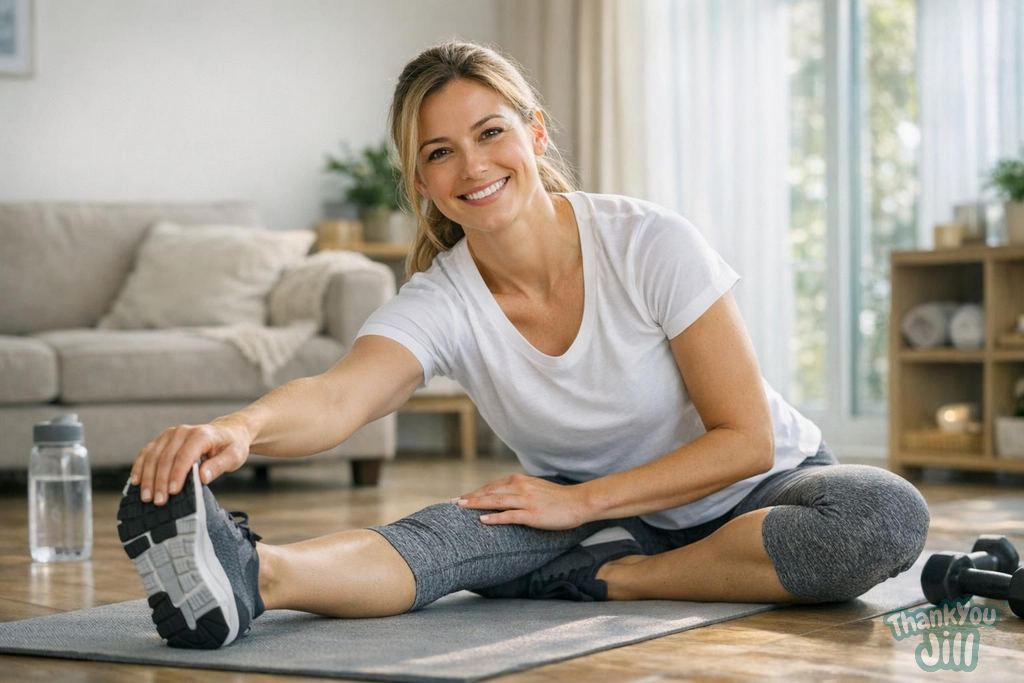
Stretching has had mixed fortunes in scientific literature over the past 30 years: in the 1980s it was considered essential before any physical activity; in the 2000s studies showed that static pre-workout stretching reduces muscle strength and power in the short term; today research carefully distinguishes between different types of stretching with very different effects. Understanding these distinctions is fundamental to using stretching the right way, at the right time, for the right purpose.
Types of stretching and their different effects
Static stretching (the classic): hold an elongated position for 15-60 seconds. Increases flexibility over time if practiced regularly (at least 3 times a week for 4+ weeks). Do NOT do immediately before activities requiring strength or power (fast running, jumping, weight lifting): temporarily reduces muscle strength by 5-8% (meta-analysis by Kay and Blazevich, 2012). Excellent after training or as a separate practice during rest hours. Dynamic stretching (proprioceptive): controlled movements through an increasing range of motion (leg swings, arm circles, hip circles). Excellent as a warm-up before physical activity: doesn't reduce strength, increases muscle temperature, improves neuromuscular coordination. PNF stretching (Proprioceptive Neuromuscular Facilitation): isometric contraction of the muscle to be stretched for 5-10 seconds, then passive stretching. Most effective for increasing flexibility but requires a partner or specific tools. Active stretching: elongate a muscle using contraction of the antagonist muscle (e.g., raise a straight leg using hip flexors, stretching the hamstrings). Improves neuromuscular coordination and functional flexibility.
When to stretch: optimal timing
Before training (warm-up): dynamic stretching only. 5-10 minutes of active movements that prepare joints and muscles for load. No prolonged static stretching: temporarily reduces muscle performance. After training (cool-down): static stretching of the main muscles used, 20-30 seconds per muscle group. The warm muscle is more plastic: greater response to stretching. Doesn't accelerate recovery but improves flexibility over time. Dedicated flexibility sessions: can be scheduled at times separate from training (morning, lunch break, evening). Longer duration of stretches (30-60 seconds), more cycles per muscle group. Yoga and Pilates are essentially structured sessions of flexibility and mobility with additional components of strength and body awareness. Before sleep: light and relaxing stretching as an evening routine can improve sleep quality by reducing muscle tension and activating the parasympathetic system.
Mobility vs. flexibility: the fundamental distinction
Flexibility is the passive ability of a muscle to lengthen (how much it stretches when someone pushes). Mobility is the active ability to move a joint through its range of motion with muscle control. You can be flexible but have poor mobility (e.g., a person who can passively bring their leg to their chest but can't do the same movement with active control). For functional health and injury prevention, mobility is more important than pure flexibility: what matters is moving with control through all ranges of motion needed in daily life. Mobility exercises (which combine strength and stretching through the full range of motion) are more valuable than pure passive stretching for daily functionality and injury prevention.
Common tension areas and how to treat them
Hamstrings (back of thigh): one of the most rigid areas in sedentary adults, frequent cause of lower back pain. Standard stretch: sitting with legs extended, bend forward without rounding your back (tilt your pelvis, don't curve your spine). 30-60 seconds, 3 times. Hip flexors (iliopsoas): shortened from prolonged sitting, cause of lower back pain. Stretch: low lunge with back knee on ground, push pelvis forward and downward. 30-60 seconds per side. Chest (pectorals and anterior deltoids): shortened from computer posture. Stretch: arms open resting against a doorway, expand chest outward. Thoracic spine rotators: often rigid. Mobility: sitting or standing, rotate torso with arms resting on thighs. 10 slow rotations per side. Ankle: often stiff, causes knee and back problems. Mobility: standing facing a wall, foot 10 cm away, bring knee to touch wall without lifting heel. 10 repetitions per side.

Don't do static stretching before running or lifting: it reduces strength. Do it after, when the muscle is warm and ready to truly lengthen. Ten minutes of evening stretching as a pre-sleep routine is worth more than one intense session a week. Flexibility is built through frequency, not intensity.
The 10-minute evening stretching routine
A simple routine to do every evening before bed: pigeon pose (hip opening): lying on your back, cross your right ankle over your left knee, push your right knee outward. 45 seconds per side. Quadriceps stretch: standing (or lying on your side), bring your foot to your glute holding it with your hand. 30 seconds per side. Cat-cow (lower back mobility): on all fours, alternate rounding your back (exhale) and arching (inhale). 10 slow repetitions. Child's pose: knees on floor, sit back on your heels, bring your arms extended forward. 45 seconds. Gentle cobra: lying face down, hands under shoulders, lift your chest slightly without lifting your pelvis off the ground. 30 seconds. Spinal rotation: lying on your back, bring your knees to your chest then rotate them to one side while keeping your arms open. 30 seconds per side. This 10-minute routine covers the main tension areas from sedentary life and prepares your body for sleep.
Stretching and muscle recovery: what research says
A widespread belief is that stretching reduces delayed-onset muscle soreness (DOMS) after training. Research is clear on this point: post-workout stretching does not significantly reduce DOMS. A meta-analysis by Herbert and de Noronha (Cochrane Database, 2011) on 12 studies concluded that stretching produces DOMS reductions of less than 1 point on a 100-point numerical pain scale: a clinically insignificant effect. DOMS is caused by muscle microtrauma that resolves over time (48-72 hours), not with stretching. What really helps reduce DOMS: light active recovery (walking, slow swimming), localized cryotherapy in the first 24 hours, adequate protein intake for muscle repair, quality sleep. Stretching has many real benefits (flexibility, tension reduction, relaxation), but reducing DOMS is not among them.
Yoga as an alternative to stretching: additional benefits
Yoga integrates stretching, mobility, isometric strength, balance, proprioception, and mindfulness practices into one system. Documented benefits compared to stretching alone: better neuromuscular adaptation (movement control through full range), isometric strength component (some poses require significant muscle effort), additional stress reduction compared to passive stretching (due to breathing and mindfulness components), social connection (yoga classes build community). For those wanting stretching benefits with something more structured and engaging: yoga (especially Hatha, Yin yoga for deep flexibility, or Vinyasa for cardiovascular component) is an excellent alternative with documented additional benefits. Online: Yoga with Adriene on YouTube is free, suitable for all levels, available in English with Italian subtitles.
Frequently Asked Questions
What's the best time to do static stretching without compromising muscle performance?
Static stretching is recommended after training, when muscles are warm, to improve flexibility over time. Avoid it before activities requiring strength or power, because it can temporarily reduce muscle strength by 5-8%.
How do you know whether to do dynamic or static stretching before physical activity?
Before physical activity, dynamic stretching is better, as it increases muscle temperature and coordination without reducing strength. Static stretching should be avoided before training because it can temporarily decrease muscle power.
How much does stretching affect recovery from post-workout muscle soreness (DOMS)?
Post-workout stretching does not significantly reduce delayed-onset muscle soreness (DOMS). Light active recovery, cryotherapy, adequate protein intake, and good sleep are more effective for alleviating DOMS.
When is it worth integrating yoga into your stretching routine and what additional benefits does it offer?
Yoga is worthwhile as a structured alternative to stretching, as it combines mobility, isometric strength, balance, and mindfulness. It offers additional benefits such as better neuromuscular control, stress reduction, and social connection, in addition to improving flexibility.

Latest News




Comments
No comments yet. Be the first!
Leave a comment