


 Italiano
 Français
 Deutsch
 Español
 Português
 Svenska
 Suomi
Suomi
Nature Trips with Kids: Where and How to Go
A Complete Guide
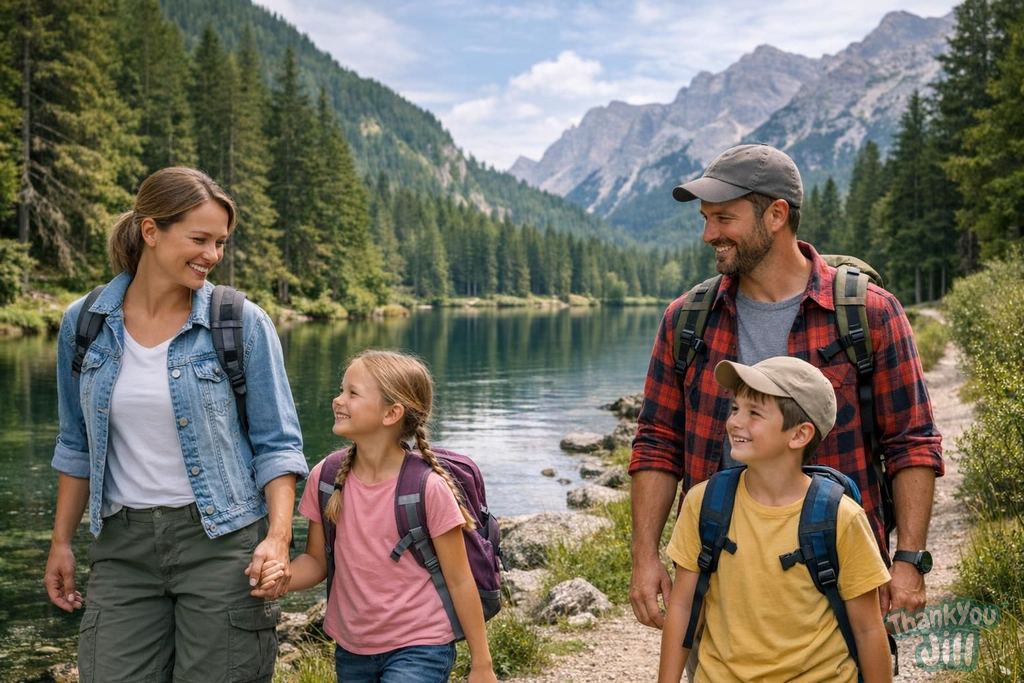
Italy is one of Europe's most biodiverse countries: 24 national parks, over 130 regional parks, 30 marine protected areas, and hundreds of regional nature reserves. From Gran Paradiso National Park (Italy's oldest, founded in 1922) to the Tuscan Archipelago National Park (Europe's largest marine park), passing through the Dolomites, Nebrodi, Sila, and Pollino: extraordinary natural landscapes are within reach in every Italian region. Taking children into contact with these ecosystems isn't just leisure time—it's an educational investment that research shows has lasting effects on a child's emotional, cognitive, and moral development.
Choosing the Right Nature Trip by Age
Ages 2–5: Short, flat trails (2–3 km maximum) with plenty of freedom to explore at a slow pace. The destination matters less than the experience: a walk in a nearby forest with the freedom to collect leaves, observe insects, and get dirty is worth more than a challenging hike. Look for trails with railings and frequent rest areas. What to bring: plenty of snacks (kids get hungry faster outdoors), a complete change of clothes (they'll almost certainly get wet), a small backpack for them to carry (makes them feel like adventurers), and a container for collecting "treasures" (leaves, stones, pinecones). Ages 6–10: Trails of 5–10 km with moderate elevation gain. Children this age have surprising physical endurance if motivated. Motivation is key: a treasure hunt, spotting a specific animal to photograph, reaching a concrete goal (a waterfall, summit, or mountain hut). Let them participate in decisions: choose between two route options, hold the map, decide where to stop. Autonomy builds motivation. Ages 11–16: More challenging trails, nights in mountain huts, adventure activities (rock climbing, kayaking, accessible via ferrata). A teenager who physically challenges themselves in nature builds self-esteem and resilience that urban environments simply can't provide.
Italy's Best National Parks for Families
Gran Paradiso National Park (Aosta Valley/Piedmont): Perfect for spotting ibex and chamois up close. Valnontey visitor center with wildlife exhibits. Family-friendly marked trails. Stelvio National Park (Lombardy/South Tyrol/Trentino): Italy's largest protected alpine area. Visitor centers in Bormio and Ponte di Legno. Easy sightings of marmots, eagles, and chamois. Circeo National Park (Lazio): The national park closest to Rome. Lagoons, dunes, and coastal forest. Excellent birdwatching. Cilento National Park (Campania): Stunning landscapes, Pertosa caves, secluded beaches. The "Cilento Trail" has family-friendly variants. Sila National Park (Calabria): The Calabrian plateau with fir forests, lakes, and Apennine wildlife. Camigliatello Silano visitor center. Tuscan Archipelago National Park (Tuscany): Elba, Giglio, Capraia, Montecristo. Snorkeling among posidonia seagrass, birdwatching on smaller islands. The Ministry of Environment website (mase.gov.it) and individual park websites have all information on trails, visitor centers, and events.
Preparing for Your Nature Trip: Essential Gear
You don't need expensive equipment for nature trips with kids. Essential for everyone: closed-toe shoes with non-slip soles (no sandals on trails, no smooth sneakers), a small backpack for your child (builds responsibility and independence), a reusable water bottle (at least 0.5 liters per child per hour of walking), energy snacks (nuts, energy bars, fresh fruit), sunscreen and a hat, and a basic first-aid kit (bandages, disinfectant, tweezers for splinters). Helpful but optional: binoculars (for bird watching and territory study), an insect bite kit with antihistamine cream if your child is allergic (consult your pediatrician), a paper map of the trail (GPS can die), a whistle (in case you get separated), and a lightweight sleeping bag for mountain hut nights. What not to bring: screens and video games (they ruin the nature experience without adding anything), junk food in large quantities (it drains energy and triggers complaints).

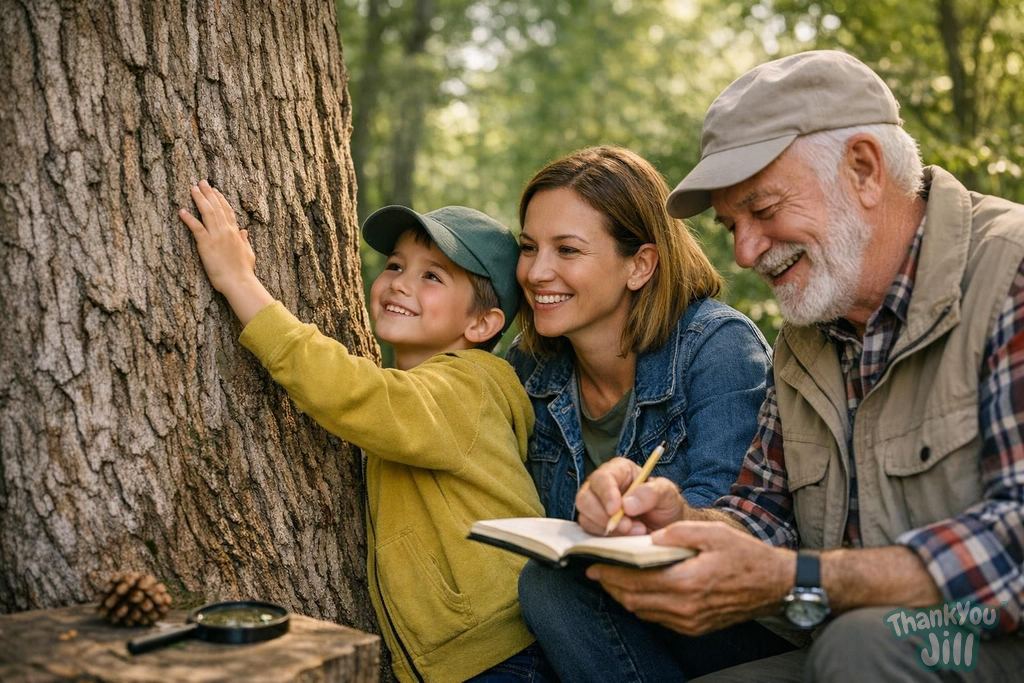
A child who sees their first golden eagle soar overhead, who touches the rough bark of a centuries-old chestnut tree, who spots a deer in the forest at dusk—is acquiring a wealth of experiences that no video game, interactive museum, or documentary can replicate. Real nature, touched, smelled, and seen in person. That's where respect for the living world begins.
Family-friendly birdwatching activities: where to start
Birdwatching is one of the most family-friendly nature activities: you can do it anywhere (even in your garden or a city park), it requires zero initial equipment (a $20–30 pair of binoculars is enough to get started), it delivers immediate satisfaction (birds are visible and identifiable even without experience), and you can deepen your knowledge for a lifetime. How to get started: download the free Merlin Bird ID app (available in multiple languages)—it identifies birds from photos or their calls. For kids, it's a game to spot a bird, photograph it, and discover its name. For families: join a guided birdwatching outing organized by LIPU (Italian League for Bird Protection: lipu.it). Local chapters regularly organize guided outings open to everyone, with many specifically designed for families. Excellent birdwatching areas in Italy: Maccarese Oasis (Rome), Valle Averto (Veneto), Orbetello Lagoon (Tuscany), WWF Torre Flavia Oasis (Lazio), Ticino Park (Lombardy/Piedmont), Marsala Salt Ponds (Sicily).
Educational farms: nature within reach of children
Educational farms (or agrifarms) are agricultural businesses that open to the public for educational activities. They're found throughout Italy and offer experiences you can't replicate elsewhere: collecting eggs from chickens, milking a cow, making cheese, baking bread with flour ground on-site, watching a lamb being born, picking fruit straight from the tree. Direct connection to food production is one of the most powerful educational tools for urban children who don't know where their daily food comes from. How to find educational farms near you: the Campagna Amica website (campagnamica.it) has a map of participating educational farms across Italy. Your regional Coldiretti website lists farms by region. The "Agriturismo.it" app also includes educational farms. Typical cost: $10–18 per child, often less for school groups and larger parties.
Documenting nature outings: building memory and natural identity
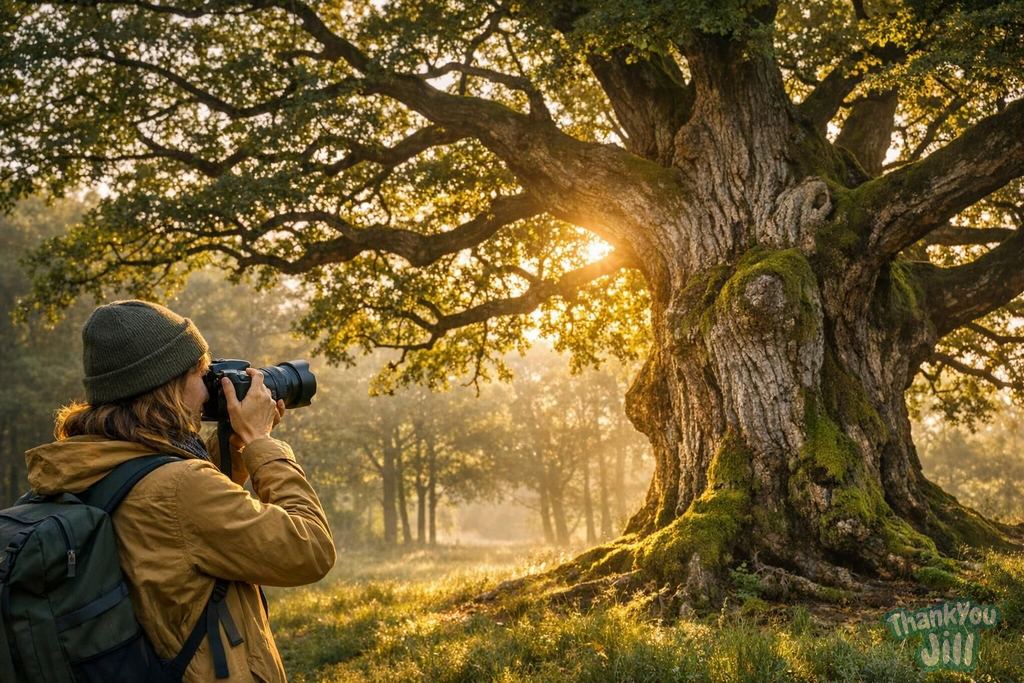
Documenting nature experiences helps build memory and a sense of natural identity. Methods for children: nature journal—a dedicated notebook where the child draws or glues leaves, sketches animals they've seen, and writes down observations. Even scribbles from young children have value; the process is what matters. Nature photo album: an album with photos from outings, labeled with the names of animals and plants identified. It builds an archive of experiences and reinforces learning. Collection of "natural treasures" (only items found on the ground, not picked from plants—respect park rules): pressed leaves, interesting stones, pinecones, feathers. Each object has the story of where and when it was found. iNaturalist as a digital journal: every observation saved in the app builds a personalized archive of species encountered over time. Children can review what they found on each outing and watch their collection grow.
Frequently asked questions
How do I choose the right nature trail for children of different ages?
For children ages 2–5, short, flat trails with frequent stops are recommended. Ages 6–10 can handle longer walks with motivating goals. Ages 11–16 can take on more challenging activities like rock climbing or overnight stays at mountain huts.
What's the essential gear for a nature outing with children?
You'll need closed, non-slip shoes, individual backpacks, water bottles, energy snacks, sunscreen, a hat, and a basic first aid kit. Optional but useful items include binoculars, a paper map, and a whistle. Avoid screens and junk food.
Which national parks are best for family outings with children?
Among the most suitable parks are Gran Paradiso for spotting ibex, Stelvio for marmots and eagles, Circeo for birdwatching, Cilento with caves and beaches, Sila with lakes and Apennine wildlife, and the Tuscan Archipelago for snorkeling and birdwatching.
How do I get started with birdwatching with children on nature outings?
Start with an affordable pair of binoculars and the free Merlin Bird ID app to identify birds from photos or calls. Joining guided LIPU outings helps you learn. Birdwatching suits all ages and can be done in gardens or city parks too.
Latest News
Comments
No comments yet. Be the first!
Leave a comment