


 Italiano
 Français
 Deutsch
 Español
 Português
 Svenska
 Suomi
Suomi
Pets and Sustainability
Low-Impact Companion Animals
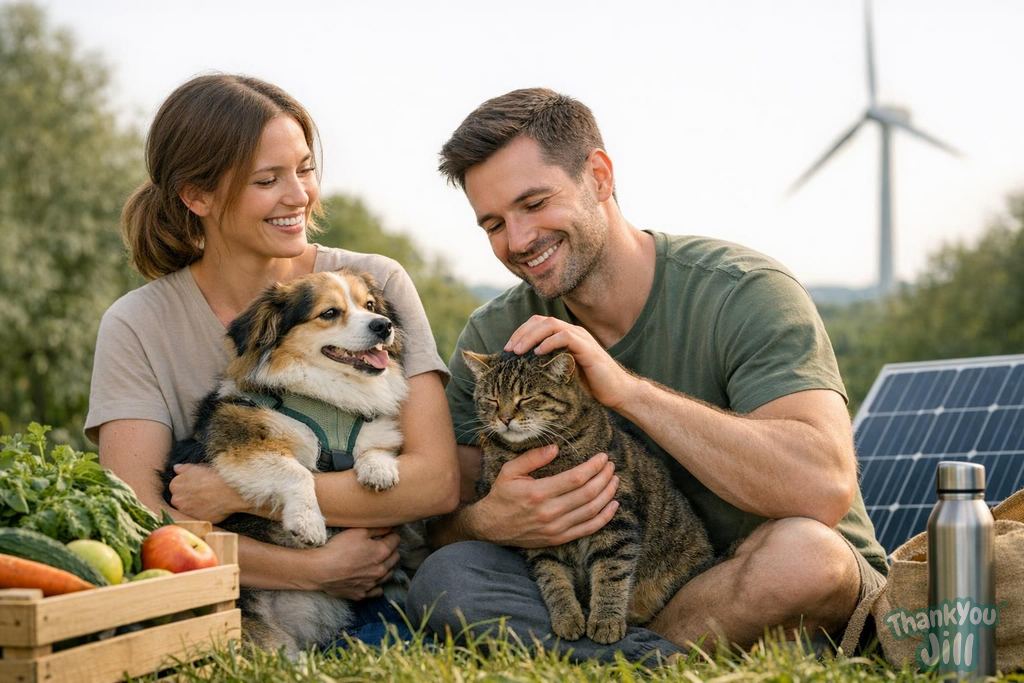
Italy is home to approximately 65 million pets (ASSALCO-Zoomark 2023 data): 7.5 million dogs, 9 million cats, and tens of millions of fish, birds, reptiles, rabbits, and other animals. The human-pet bond is one of the oldest and most psychologically rewarding relationships (stress reduction, companionship, physical activity for dog owners). Yet it also carries a significant environmental footprint, primarily through the food our animals consume.
The Carbon Footprint of Pets: By the Numbers
Pet food is the largest contributor to a pet's environmental impact. Dogs and cats eat meat (predominantly), and meat production carries a high carbon footprint. Gregory Okin (UCLA, 2017) calculated that dogs and cats in the USA consume roughly 25–30% of the country's total meat calories and generate emissions equivalent to 64 million tonnes of CO2 annually—more than the entire transportation sector of some European countries. In Italy, proportional estimates suggest that domestic pets produce 15–25 million tonnes of CO2eq per year. Carbon footprint per animal: a medium-sized dog (20–25 kg) consumes approximately 100–150 kg of meat annually. The carbon footprint of its food is estimated at 1–2 tonnes of CO2eq per year. A cat: roughly 0.5–1 tonne of CO2eq. For comparison: a mid-size sedan driving about 15,000 km per year produces roughly 1.7–2 tonnes of CO2. An average dog pollutes as much as a car. A cat pollutes like a car driven 10,000 km per year.
How to Reduce Your Pet's Food Footprint
Choose pet food with lower-impact ingredients: prioritize pet food with higher percentages of protein from lower-impact sources: fish (especially small species like herring, sardine, and mackerel—lower footprint than tuna or salmon), insects (insect meal is an excellent protein source for dogs and cats with a 90–95% lower footprint than beef), and poultry (3–4 times lower footprint than beef). Cut back on beef: beef-based pet foods are the worst environmentally. Sustainability-conscious brands: Yora (UK, insect-based), Entoma, and Kippy Green (Italian, insect-based) for dogs. Lily's Kitchen and Edgard and Cooper (transparent supply chains and sustainable ingredients). Vegetarian or vegan diets for dogs: technically possible (dogs are omnivores), but require careful supplementation of essential amino acids (taurine, L-carnitine), vitamin B12, calcium, and zinc. Only under veterinary supervision. For cats, it's contraindicated: cats are obligate carnivores and cannot survive without certain nutrients found only in meat (taurine, arachidonic acid, preformed vitamin A).
Other Contributors to Your Pet's Footprint: Accessories, Veterinary Care, and Waste
Accessories and toys: the pet accessory market generates enormous quantities of single-use plastic (toys that break within days, excessive packaging). How to reduce: choose toys made from natural materials (cotton, hemp, natural wood), buy secondhand (pet accessory thrift markets exist), or make DIY toys (cats love plastic bottles filled with something that makes noise—nothing pricier needed). Cat litter: clay litter (bentonite) requires mining. More sustainable alternatives: tofu litter (soy okara—biodegradable, flushable), wood pellet litter (compressed sawdust—compostable), corn or grain litter. Pet waste: dog feces should be removed with biodegradable bags (EN 13432 certified compostable) and disposed of in industrial composting or general waste (never in recycling). Dog feces shouldn't go in home compost as they may contain parasites.

Your dog's CO2 footprint is similar to a car's. That's not a reason to skip dog ownership—it's a reason to choose your dog's food with the same care you'd choose your own. Less beef, more fish or insects in his bowl: a simple switch that cuts his footprint by 30–50% without changing his health or your bond with him.
Stray Dogs and Cats: The Invisible Impact
Stray animal populations represent an environmental problem alongside ethical and social concerns. Stray dogs and cats significantly impact local wildlife: feral cats rank among the leading predators of birds and small mammals in urban areas. A 2013 study by Loss et al. published in Nature Communications estimates that domestic and feral cats in the USA kill between 1.3 and 4 billion birds and between 6 and 22 billion small mammals annually. In Italy, this problem is particularly acute in rural areas and southern cities. Ways you can help reduce stray populations: adopt rather than buy (Italian shelters are overflowing with animals waiting for homes), have your pet spayed or neutered (prevents future strays), support organizations managing feral cat colonies through sterilization programs (TNR: Trap-Neuter-Return). If you have a cat, keep it indoors during nighttime hours (when bird hunting peaks) or fit it with a bell collar (reduces hunting efficiency by 50-60%).
Alternative Pets: Lower Environmental Impact
For animal lovers wanting to reduce their environmental footprint compared to dogs and cats: rabbits are herbivores that eat mainly hay (very low impact) and fresh vegetables. They're interactive and affectionate, and can be litter trained. Hamsters, gerbils, and domestic rats are herbivores or omnivores with plant-based diets and minimal impact. Perfect for children with supervision. Freshwater aquarium fish have very low impact (food based on vegetables and algae), though they do require a proper tank setup (never round bowls—they're cruel and unsuitable for fish). Freshwater turtles are herbivorous as adults with extremely low impact, but they're long-lived (30-50 years—a serious commitment). Important note: never buy exotic species caught in the wild (reptiles, tropical birds, primates—often illegal and always cruel). Always choose captive-bred animals from certified legal breeders.
Choosing a Sustainability-Minded Veterinarian
Veterinary medicine also carries environmental costs: medications, packaging, single-use instruments. To minimize impact: choose veterinary clinics that practice preventive medicine (prevention always has less impact than treatment), ask if your vet uses generic medications when equivalent to brand names (same effectiveness, lower cost, less packaging), bring your pet in only when necessary (skip routine checkups if your animal is healthy and vaccinations are current), dispose of expired or unused medications properly (never flush them—take them to a pharmacy with dedicated veterinary medication containers).
Frequently Asked Questions
What are low-impact protein sources for dog and cat food?
Low-impact protein sources include small fish like herring, sardines, and mackerel, insects (insect meal), and poultry. These alternatives significantly reduce carbon footprint compared to beef, which has the highest environmental impact.
How can I reduce my dog's environmental footprint without compromising health?
Reduce the beef percentage in their food and choose meals with proteins from insects, fish, or poultry. This can cut CO2 footprint by 30-50% without affecting your pet's health or your relationship with them, while maintaining a balanced diet.
Why is a vegan diet discouraged for cats but possible for dogs?
Cats are obligate carnivores and need specific nutrients like taurine and vitamin A found only in meat. Dogs, being omnivores, can follow a vegetarian or vegan diet only with careful supplementation and veterinary supervision.
What sustainable alternatives exist for cat toys and litter?
To reduce environmental impact, choose toys made from natural materials like cotton, hemp, or wood, and prefer secondhand products or DIY options. For litter, opt for biodegradable materials like tofu-based, wood pellets, or corn or grain-based litters.

Latest News




Comments
No comments yet. Be the first!
Leave a comment