


 Italiano
 Français
 Deutsch
 Español
 Português
 Svenska
 Suomi
Suomi
Tap Water: Is It Really Safe in Your Area?
How to Check Quality and Contaminants Easily
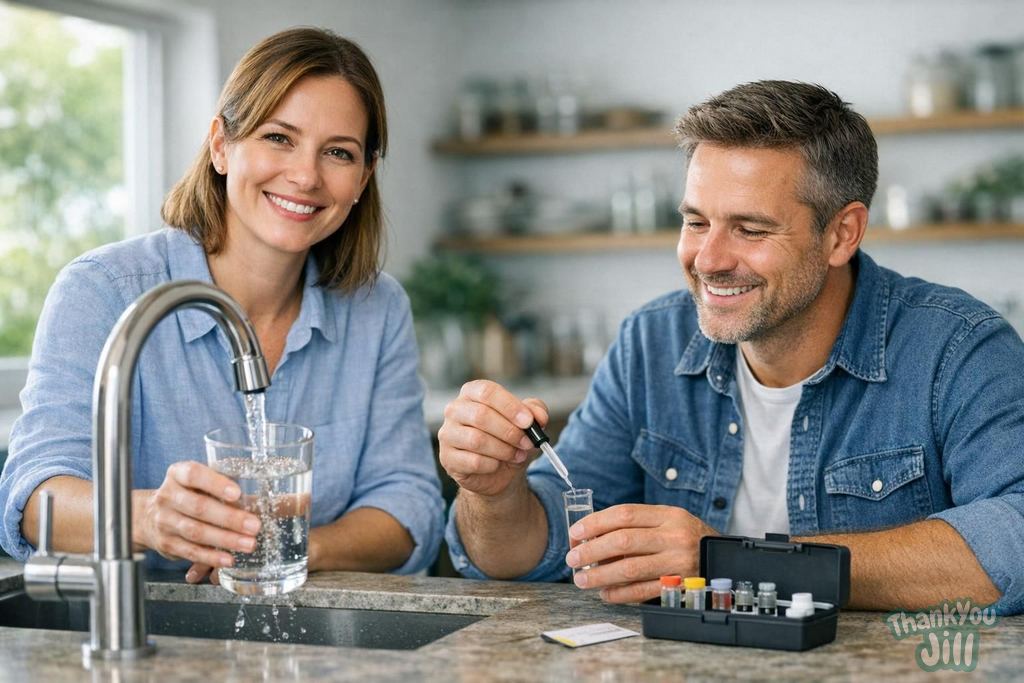
Turn on the tap in Milan, and the water is excellent. Turn it on 50 km away, and it tastes strange. Italy doesn't have one uniform water supply: each region has different characteristics. And you have the right to know what comes out of your tap.
Italian water systems must comply with strict legal limits. But "safe by law" doesn't always mean "great to drink." There are nuances that matter. And knowing them lets you make informed choices.
How Italian Water Systems Work
The water that reaches your home comes from springs, underground aquifers, rivers, or lakes. It's treated (filtered, disinfected with chlorine) and pumped through miles of pipes to your tap.
Every day, tests are run for bacteria, heavy metals, and chemicals. Water systems must comply with Legislative Decree 31/2001, which implements European directives. The limits are among the strictest in the world.
The real issue isn't the water leaving the main system, but what happens in the "last mile": the pipes in your building and apartment. Problems can occur there that the main system doesn't monitor.
Where Water Quality Is Best in Italy
North: generally excellent quality. Milan, Turin, and Bolzano have outstanding water. It comes from deep Alpine aquifers, minimally polluted and naturally filtered through rock. Chlorine is barely noticeable.
Central: variable quality. Rome has good water (from springs and lakes), but in some areas the chlorine taste is strong. Florence and Bologna have good quality. Coastal zones sometimes face saltwater intrusion issues.
South and Islands: more variable. Some areas have excellent water (mountain springs), while others struggle with scarcity and must use less desirable sources. In summer, some areas may ration water.
This isn't a ranking of merit: it's geography and geology. Areas with mountains and deep aquifers have better water. Areas with coastal plains and shallow aquifers face more challenges.
Most Common Contaminants
Chlorine: not a contaminant, it's intentional. It disinfects the water. But if the taste is too strong, it can be bothersome. Solution: leave water in an open pitcher for 30 minutes—chlorine evaporates.
Limescale (calcium carbonate): not dangerous, actually provides calcium. But it makes water "hard," leaves deposits on appliances, and can alter taste. Solution: anti-limescale filters or water softeners.
Nitrites and nitrates: come from agricultural fertilizers. In intensive farming areas, they can be present. Legal limits: 0.5 mg/l for nitrites, 50 mg/l for nitrates. If exceeded, water isn't potable.
Heavy metals (lead, copper): come from old pipes. Lead is most dangerous, especially for children. If your building was built before 1980, have it checked. Solution: run water for 30 seconds before using it.
PFAS (perfluoroalkyl substances): emerging contaminants found in Veneto and other industrial areas. They're persistent and don't degrade. Recent limits imposed, but monitoring is ongoing.
How to Check Quality in Your Area
Your municipality's website: many municipalities publish water system analyses online. Search "drinking water quality [your town name]." You'll find data on pH, hardness, minerals, and contaminants.
Local health authority website: Local Health Authorities monitor water and publish annual reports. Look for the "drinking water" section on your health authority's website.
Local water utility: Italy has dozens of utilities (Acea, Metropolitana Milanese, Acquedotto Pugliese, etc.). Their websites have quality data. Search "water utility [your city]."
If you can't find data online, call your municipality's technical office. They're required to provide you with analyses. It's your right.
Get Your Home Water Tested
Public analyses cover water leaving the main system. But what happens in your building's pipes? The only way to know is to have your tap water tested.
Call an accredited laboratory (search "drinking water analysis [your city]"). A technician comes, takes a sample from your tap, and analyzes it. It costs 80–150 euros. Results in 7–10 days.
The analysis tells you exactly what's there: pH, hardness, minerals, metals, bacteria, nitrites/nitrates. If there are problems, you know what to fix. If everything's fine, you have certainty.
Signs Your Water Might Have Problems
Metallic taste: possible presence of iron or copper from old pipes. Not dangerous in small amounts, but indicates corroding pipes.
Very strong chlorine taste: the water system is using a lot of chlorine, maybe to fight bacterial contamination. Better to check.
Cloudy water or sediment: could be temporary (network maintenance), but if it persists, it indicates problems. Don't drink until you clarify.
Brown or red stains on sinks: iron from pipes. Not dangerous but unpleasant. Indicates very old pipes.
Rotten egg smell: sulfur or hydrogen sulfide. Rare in cities, more common in private wells. Don't drink without testing.
What to Do If Water Isn't Optimal
Chlorine problem: filter pitcher or let water sit. Solved in minutes.
Limescale problem: whole-house softener (300–1,000 euros) or under-sink anti-limescale filter (150–300 euros).
Metal problem: advanced activated carbon filter under sink (200–400 euros) or reverse osmosis (400–800 euros).
High nitrate problem: reverse osmosis is the only effective solution. Or switch to bottled water.
PFAS problem: reverse osmosis or bottled water. Regular filters aren't enough.
Tap Water vs. Bottled Water
Tap water costs 0.002 euros per liter. Bottled water costs 0.20–1 euro per liter. Difference: 100–500 times more.
If tap water in your area is good quality, buying bottles is a waste of money and plastic. If it has real problems, bottled water or a good filtration system is justified.
Don't follow trends: follow the data. Test, verify, then decide. Don't rely on hearsay or advertising.
The Future of Italian Water Systems
Investment is increasing. Old pipes are being replaced, monitoring systems are improving, emerging contaminants are being tracked better.
But it takes time. If you live in an area with aging infrastructure, improvements will come gradually over the years. In the meantime, protect yourself with testing and filters if needed.

Tap water isn't the same everywhere. Knowing about your area's water lets you choose intelligently, not based on trends.
Three Steps to Check Right Now
First: search online for "water quality [your town]." Read the public analyses. Look at hardness, pH, nitrites/nitrates, metals. If you find values outside limits, there's a problem. If everything's fine, move to step two.
Second: do a taste test. Fill one glass from your tap, one from bottled water you normally buy. Taste them blindfolded. If you don't notice big differences, your tap water is good. If your tap water tastes unpleasant, move to step three.
Third: invest 100–150 euros in a professional analysis of your tap water. Then you know exactly what to fix (if anything) and won't waste money on unnecessary solutions.
Create a Local Water Map
Ask your neighbors how they find the water. If everyone in the building complains, it's a building problem (shared pipes). If only you have issues, it's your apartment (internal pipes).
Building problems: call a building meeting, check shared pipes, possibly replace or install a central filter. Costs split among residents.
Your apartment problems: call a plumber, check internal pipes, possibly replace or install a personal filter. Your cost, but you solve it permanently.
Track Changes Over Time
Water can change. Network maintenance, drought, new pollution: everything affects it. If you notice changes (different taste, strange color), report it to your water utility right away.
Don't wait. Prompt reporting allows quick action. Often utilities don't know about localized problems until citizens report them.
Protect the Vulnerable
Infants, pregnant women, elderly people, immunocompromised individuals: they're more sensitive to contaminants. If you have vulnerable people at home and water isn't perfect, use bottled water or reverse osmosis.
Don't take risks. The cost of safe water is minimal compared to health problems.
Be Part of the Change
If your area has chronic water problems, don't just complain. Attend public meetings, sign petitions for investment, contact your mayor. Active citizens get results.
Water systems improve when there's public pressure. Staying silent changes nothing. Collective action works.
Educate Others Too
Many people buy bottled water out of habit, not because tap water is bad. If you know your area has excellent water, say so. Share the data. Help others stop wasting money and plastic.
An informed neighborhood uses less plastic and creates pressure for real improvements where they're needed.
Frequently Asked Questions
How can I check the quality of tap water in my area?
You can check public data on your municipality's website, your local health authority, or your water utility's website by searching for drinking water quality analyses. If you can't find information online, you can request the data from your municipality's technical office, which is required to provide it.
What are the main tap water contaminants and how can I reduce them?
Common contaminants include chlorine, limescale, heavy metals like lead and copper, nitrites/nitrates, and PFAS. You can reduce them with specific filters like water softeners, activated carbon filters, or reverse osmosis, depending on the problem detected.
When is it worth getting a professional water analysis at home?
It's worth it if you notice strange tastes, unusual odors, or if you live in a building with old pipes. A professional analysis, costing about 80–150 euros, provides precise data on contaminants and lets you choose targeted solutions.
Is tap water or bottled water better?
If tap water in your area is good quality, it's more economical and sustainable than bottled water. If it has contamination problems, bottled water or an appropriate filtration system are justified options.
Latest News




Comments
No comments yet. Be the first!
Leave a comment