


 Italiano
 Français
 Deutsch
 Español
 Português
 Svenska
 Suomi
Suomi
Sports and Hydration: What to Drink Before, During, and After
How to Boost Performance and Recovery
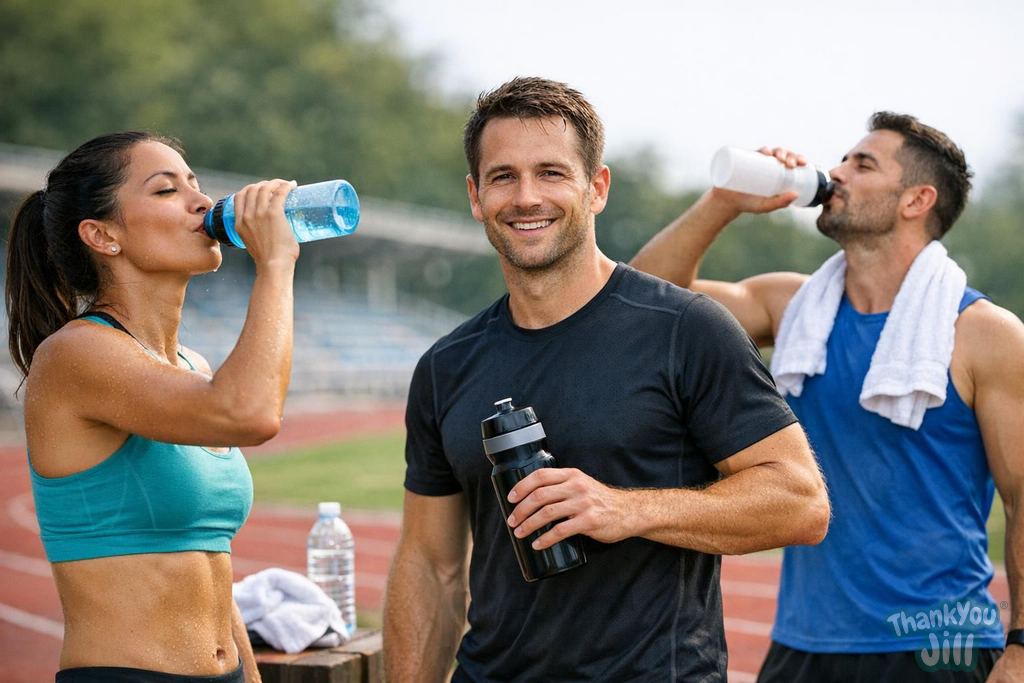
You've been told that coffee dehydrates you. That alcohol dries you out. That tea doesn't count as water. Then you've been told the opposite. Who's right? And what should you really drink besides water?
Science has clear answers, but nuanced ones. It's not "yes it dehydrates" or "no it hydrates." It's "it depends on how much, when, and with what." Let's go through each beverage.
Coffee: The Great Misconception
Coffee contains caffeine, which is a mild diuretic. It makes your body produce more urine. But coffee is 98% water. Net balance: coffee hydrates more than it dehydrates.
Studies show that drinking coffee regularly (2-4 cups a day) contributes to total hydration just as much as drinking the same amount of water. Your body adapts to caffeine and the diuretic effect decreases.
The problem is if you drink 6-8 coffees a day without drinking water. Then the diuretic effect accumulates. Solution: for every coffee, drink a glass of water too. That way you balance it out.
Also, very concentrated coffee (espresso) has less water. If you drink 5 espressos a day, you're drinking very little liquid. Switch to Americanos or long coffees for more hydration.
Tea: Better Than Coffee
Tea has less caffeine than coffee (about half). The diuretic effect is even milder. A cup of tea hydrates almost as much as a glass of water.
Green tea, white tea, black tea: they all hydrate. Herbal teas (chamomile, mint, etc.) have no caffeine and hydrate like pure water. They're an excellent alternative if plain water bores you.
Just watch out for commercial sweetened iced teas. Added sugar requires water to be metabolized, reducing the hydrating benefit. Prefer homemade iced tea without sugar.
Alcohol: The Enemy of Hydration
Alcohol is a powerful diuretic. It blocks the antidiuretic hormone (ADH), your kidneys don't retain water, and you urinate much more. For every glass of alcohol, you lose more liquid than you consumed.
The hangover the next day is partly dehydration. Headache, dry mouth, fatigue: all symptoms of water loss. Alcohol has drained your body.
Strategy if you drink: alternate a glass of water with every glass of alcohol. That way you compensate for the loss and reduce the damage. Before bed, drink at least 500 ml of water. The next morning, rehydrate generously.
Wine, beer, spirits: they all dehydrate. There's no such thing as alcohol that "hydrates because it contains water." The effect of alcohol always outweighs the water it contains.
Soft Drinks: Worse Than You Think
Cola, orange soda, carbonated drinks: they're water + sugar + additives. Sugar requires water to be metabolized. If you drink a can of cola (330 ml), you absorb maybe 250 ml of useful hydration. The rest goes toward processing the sugar.
Diet sodas (sugar-free) avoid this problem, but they contain artificial sweeteners that can have other effects. Better than the original, but not equivalent to water.
The bubbles (CO2) can cause bloating, burping, and stomach discomfort. If you have a sensitive stomach, avoid carbonated drinks.
Bottom line: soft drinks contribute to hydration, but they're the worst choice after water. If you have to choose between a soft drink and nothing, choose the soft drink. If you can choose between a soft drink and water, choose water.
Fruit Juices: Watch Out for Sugar
A 100% fruit juice has vitamins and hydrates. But it also contains natural sugars (fructose) in high amounts. A glass of orange juice has as much sugar as 3 whole oranges, but without the fiber.
Juices hydrate less than water because some of the liquid goes toward metabolizing the sugars. But they're still better than soft drinks.
Strategy: dilute juices with water (50-50). You get flavor, vitamins, but less sugar. Or eat whole fruit instead: it has the water, the vitamins, the fiber, and the sugars are absorbed more slowly.
Energy Drinks: Use With Caution
Red Bull, Monster, Gatorade, Powerade: these are different categories.
Energy drinks (Red Bull, Monster): high caffeine + sugar + taurine. They dehydrate due to the caffeine effect. Use them only occasionally and balance with extra water.
Sports drinks (Gatorade, Powerade): water + electrolytes + sugar. They hydrate well during sports, but outside of physical activity the sugar content is excessive. Use them only when you're exercising.
Isotonic drinks: they have the same salt concentration as blood. They're absorbed quickly. Ideal for sports and rapid rehydration.
Milk: A Positive Surprise
Milk (cow's, almond, soy, oat) hydrates very well. It has water + protein + electrolytes. The protein slows absorption, prolonging hydration over time.
Studies show that milk is more hydrating than pure water for post-sport recovery. The protein and sodium help your body retain fluids.
Whole milk hydrates better than skim because the fat further slows gastric emptying. But it's also more caloric. Choose based on your needs.
Coconut Water: Trend or Substance?
Coconut water has natural electrolytes (potassium, sodium, magnesium). It hydrates well, similar to sports drinks but natural. Useful for light post-sport recovery.
The problem is the cost: 3-5 euros per liter. For the same effect you can drink water + a banana (potassium) + a pinch of salt (sodium). Much more economical.
If you like the taste and can afford it, that's fine. But it's not superior to more affordable solutions.
Flavored Waters
Waters with fruit flavor, added vitamins, zero calories: they hydrate like regular water. They're just water with flavoring, nothing more. If they help you drink more, use them.
Watch the ingredients: some have artificial sweeteners, others natural extracts. Read the label. If it's just "natural flavor" + water, you're good.
Broth and Soups
Often overlooked, but excellent for hydration. Vegetable broth, soup, stew: they're water + electrolytes (from salt) + nutrients. They hydrate and nourish at the same time.
Particularly useful for elderly people who drink little. A cup of broth at lunch and dinner = 400-500 ml of fluids without effort.

Water is the foundation. Everything else builds on that. Coffee isn't the enemy, alcohol is. Choose wisely, balance well, and stay truly hydrated.
Your Personalized Strategy
Make a list of the beverages you consume every day. Classify them: hydrate a lot (+), hydrate a little (=), dehydrate (-).
Example: Water (+), Tea (+), Coffee (=), Wine (-), Soft drink (-), Fruit juice (=), Milk (+).
Goal: increase the (+), keep the (=) moderate, reduce the (-). That way you optimize your total hydration.
The 50/50 Rule
At least 50% of your daily fluids should be pure water. The rest can be other beverages. If you drink 2 liters a day, at least 1 liter should be water.
This guarantees basic hydration without complications. Other beverages are extras, not substitutes.
Compensate for Dehydrating Beverages
If you drink 3 coffees a day: add 3 extra glasses of water. If you drink 2 glasses of wine: add 500 ml of extra water. That way you balance the effects.
It's not perfect, but it's practical. You don't have to eliminate everything. You just need to balance better.
Use Beverages Strategically
Coffee: morning for energy. Tea: afternoon for hydration and relaxation. Herbal tea: evening for sleep. Water: always, constant foundation. Alcohol: occasionally, always with water.
Every beverage at the right time maximizes benefits and minimizes problems.
For Those Who Work at a Computer
Strategy: 1-liter water bottle on your desk (basic hydration), large mug of hot tea mid-morning (break + comfort), coffee after lunch (energy), flavored water in the afternoon (variety). Total: 2-2.5 liters distributed well.
For Those With an Active Social Life
Aperitifs, dinners, events: it's easy to drink too much alcohol and too little water. Tactic: always order a bottle of water along with your alcohol. Alternate. No one will notice you're drinking less alcohol, but you'll feel better.
Debunk Myths With Data
If someone says "coffee dehydrates," respond with facts: "Studies show that 3-4 coffees a day contribute to hydration. The diuretic effect is minimal and the body adapts." That way you stop the misinformation.
Choose Quality in Special Beverages
If you drink coffee: make it good coffee. Tea: quality leaves. Juices: freshly squeezed or 100% fruit. If you're spending money, spend it well. Beverages are part of life, not just hydration. Enjoy the good ones, moderate the poor ones.
Frequently Asked Questions
Does coffee really dehydrate you during physical activity?
Coffee contains caffeine, a mild diuretic, but it's 98% water. Consumed regularly in moderate amounts (2-4 cups), it contributes to hydration just like water. It's important to balance each coffee with a glass of water to avoid dehydrating effects.
When is it worth using isotonic drinks during sports?
Isotonic drinks, with a salt concentration similar to blood, are absorbed quickly and are ideal during intense physical activity to replenish fluids and electrolytes. Outside of sports, however, their sugar content can be excessive.
How do you choose between tea, fruit juices, and soft drinks to maintain good hydration?
Tea hydrates almost as much as water, especially if unsweetened. Fruit juices contain natural sugars that require water to be metabolized, so it's better to dilute them. Sweetened carbonated drinks are less hydrating and can cause stomach discomfort; water remains the best choice.
How much does alcohol affect hydration and how can you compensate for its effects?
Alcohol is a powerful diuretic that causes you to lose more fluid than you consume, leading to dehydration and symptoms like headaches and fatigue. To compensate, it's recommended to alternate each glass of alcohol with a glass of water and rehydrate generously before bed and upon waking.


Latest News




Comments
No comments yet. Be the first!
Leave a comment