


 Italiano
 Français
 Deutsch
 Español
 Português
 Svenska
 Suomi
Suomi
Gut Microbiota
How to Nourish It Through Diet
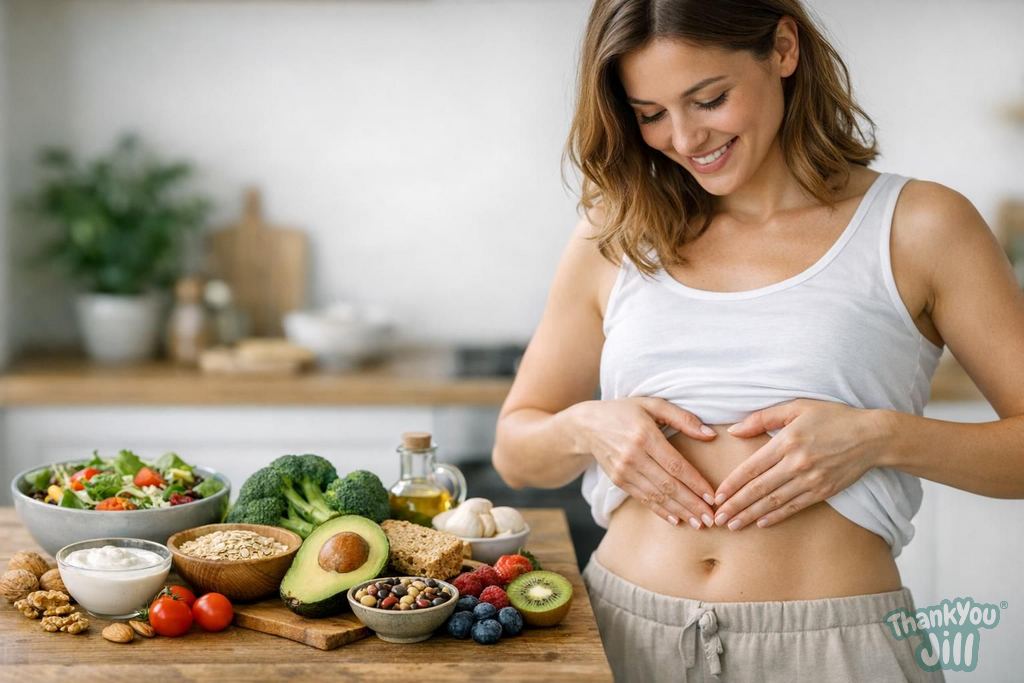
Until twenty years ago, gut bacteria were considered inert commensals, mere passengers in the digestive tract. Today we know that the gut microbiota is a metabolically active organ: 38 trillion microorganisms (bacteria, viruses, fungi, protozoa) weighing about 1.5 kg and producing thousands of bioactive molecules. It's not an exaggeration to call it your second brain: it communicates directly with the central nervous system through the gut-brain axis, produces 95% of your body's serotonin, influences your immune system, glucose metabolism, and the synthesis of vitamins K and B12.
Diversity is key: why it matters more than anything else
A healthy microbiota is a diverse microbiota. People with greater bacterial diversity in their gut have better weight control, better insulin sensitivity, less systemic inflammation, and better immune function. This association is robust and replicated across hundreds of studies. Microbiota diversity decreases with: antibiotics, a fiber-poor diet, excess sugar and ultra-processed foods, chronic stress, and lack of exposure to nature.
Prebiotics: food for your bacteria
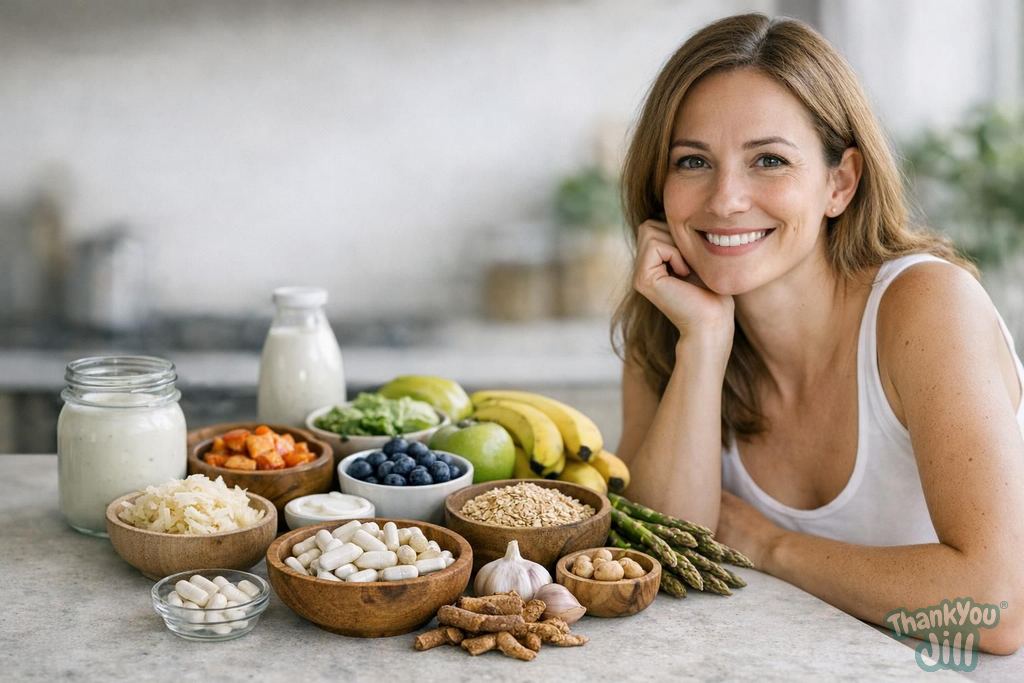
Prebiotics are fermentable fibers that the human body cannot digest but that colon bacteria ferment to produce beneficial metabolites. The main ones: inulin and fructooligosaccharides (FOS): found in chicory, garlic, onions, leeks, asparagus, artichokes, and slightly underripe bananas. Pectin: in apples, pears, and citrus fruits (especially in the white pith). Beta-glucans: in oats and barley. Resistant starch: in cooled potatoes, cooled rice, underripe bananas, and legumes. Arabinoxylans: in whole wheat and rye.
These compounds are fermented mainly by Bifidobacterium and Lactobacillus, producing short-chain fatty acids (SCFA): butyrate, propionate, and acetate. Butyrate is the primary nutrient for colon cells and has potent documented anti-inflammatory and anti-tumor effects.
Food-based probiotics: live bacteria
Fermented foods contain live bacteria that, when consumed regularly, help maintain a diverse microbiota. They don't permanently "colonize" the intestine (exogenous bacteria generally can't compete with resident populations), but their passage "strengthens" your existing microbiota and delivers beneficial metabolites.
Main food sources of probiotics: yogurt with live cultures (check for "contains live lactic acid bacteria" or specific bacterial species listed), kefir (more diverse than yogurt: contains over 30 different species of bacteria and yeasts), unpasteurized sauerkraut and kimchi, miso, tempeh, kombucha (verify it's not pasteurized after fermentation, which kills the bacteria). Pasteurization kills live bacteria: these products must be unpasteurized to have a probiotic effect.
Foods that damage your microbiota
Excess simple sugars: feed pro-inflammatory bacteria (Proteobacteria) at the expense of beneficial ones. Ultra-processed foods: additives like emulsifiers (carrageenan, polysorbate 80) have shown in animal studies to alter the intestinal mucus layer and increase permeability. Excess animal protein without fiber: produces putrefaction metabolites (ammonia, biogenic amines) that damage the colon epithelium. Antibiotics: indiscriminately destroy both beneficial and pathogenic bacteria. Effects on the microbiota can last months after treatment ends.
The diet your microbiota prefers
Research is converging: the traditional Mediterranean diet is the most favorable diet for the microbiota. A major European study (the ELDERMET project) confirmed that the Mediterranean diet produces the most diverse microbiota with the best health markers. Key elements: abundance of fiber from vegetables, fruits, legumes, and whole grains (at least 25-30g daily), fermented foods daily (yogurt, kefir, miso, sauerkraut), reduced added sugars and ultra-processed foods, prevalence of plant-based proteins and fish over red meat.

Your microbiota is an inner garden. If you nourish it with diversity (fiber from a thousand different sources, fermented foods, whole grains), it flourishes. If you treat it with indiscriminate antibiotics, sugar, and junk food, it withers. Every meal is an act of gardening.
Add one fermented food daily
The simplest and most documented intervention to improve your microbiota: add a different fermented food every day. Monday: 150g of Greek yogurt with live cultures at breakfast. Tuesday: two tablespoons of unpasteurized sauerkraut as a side dish. Wednesday: a glass of kefir. Thursday: miso in your soup (don't boil it: add miso at the end of cooking to avoid killing the bacteria). Friday: unpasteurized kombucha as a beverage. Rotating varieties diversifies your intake of different bacterial species.
Increase fiber by 5g per week
The recommended daily fiber intake is 25-30g. The Italian average is about 16g. Too rapid an increase causes bloating and gas (your bacteria aren't used to that much fiber). The strategy: increase fiber by 5g per week by adding one fiber-rich food to your diet. A tablespoon of chia seeds (5g of fiber), one extra apple daily (4g), 100g more cooked lentils (7g). In 4-5 weeks you'll reach your target without intestinal discomfort.
30 different plants per week: the American Gut Project target
The largest study on human microbiota (American Gut Project, over 10,000 participants) found that eating at least 30 different plants per week (fruits, vegetables, legumes, grains, herbs, spices, nuts) produces the most diverse microbiota. It doesn't seem difficult: a teaspoon of turmeric counts, a clove counts, a mint leaf counts. Count your plants this week: most people stop at 8-10. Increasing to 20, then to 30, is simpler than it seems.
After antibiotics: how to recover your microbiota
After a course of antibiotics, your microbiota may take 3-6 months to fully recover its pre-treatment composition. How to speed up recovery: fermented foods rich in diverse species (kefir is most effective for diversity), abundance of prebiotics (fiber from diverse sources), reduced simple sugars and ultra-processed foods in the weeks following treatment. Probiotic capsules can be helpful during antibiotic courses to reduce damage, but research on effectiveness is mixed: consult your doctor.
Frequently Asked Questions
What is the role of prebiotics in gut microbiota health?
Prebiotics are fermentable fibers that nourish beneficial colon bacteria, such as Bifidobacterium and Lactobacillus, promoting the production of short-chain fatty acids with anti-inflammatory effects and support for colon cells.
How do you choose probiotic foods to improve your microbiota?
It's important to consume unpasteurized fermented foods like yogurt with live cultures, kefir, sauerkraut, kimchi, miso, and kombucha, as they contain live bacteria that strengthen your existing microbiota and deliver beneficial metabolites.
How much does antibiotic use impact microbiota composition?
Antibiotics destroy both beneficial and pathogenic bacteria, causing a reduction in microbial diversity that can last months. Recovery takes 3-6 months and can be accelerated with fermented foods and prebiotics.
How do you increase gut microbiota diversity through diet?
To increase diversity, it's recommended to consume at least 30 different plants per week, including fruits, vegetables, legumes, grains, herbs, and spices, along with integrating fermented foods and fiber from various sources.
Latest News




Comments
No comments yet. Be the first!
Leave a comment