


 Italiano
 Français
 Deutsch
 Español
 Português
 Svenska
 Suomi
Suomi
Blood Sugar and Insulin Spikes
Managing them through diet
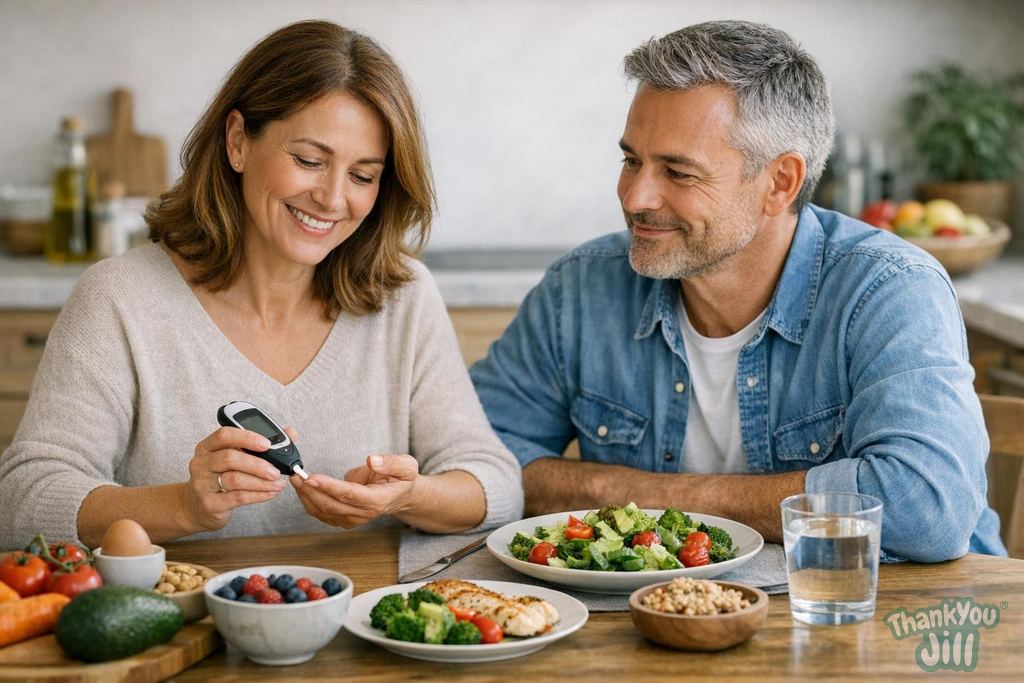
Every time you eat carbohydrates, your body responds with a rise in blood glucose followed by an insulin spike to bring it back to normal levels. This mechanism is physiological and necessary. The problem arises when spikes become too high, too frequent, or when your body responds abnormally. In the short term: post-meal fatigue, difficulty concentrating, hunger returning soon. In the long term: progressive damage to blood vessels, chronic inflammation, insulin resistance, and growing risk of type 2 diabetes.
How the blood sugar response works: the physiology
When carbohydrates are digested, glucose enters the bloodstream. Blood sugar rises. The pancreas releases insulin, the hormone that allows cells (muscle, liver, fat tissue) to take up glucose and lower blood sugar. In a healthy adult, post-meal blood sugar shouldn't exceed 140 mg/dl (7.8 mmol/l) and should return to baseline values within two hours of eating.
An excessive blood sugar spike (above 160-180 mg/dl) triggers an equally high insulin spike. This leads to a rapid drop in blood sugar, sometimes below normal levels (reactive hypoglycemia). Your brain perceives this drop as an emergency and signals acute hunger, sugar cravings, fatigue. It's the classic cycle of "eat, spike, crash, hunger, eat again."
Dietary strategies to flatten the blood sugar curve
Fiber before or with carbohydrates: soluble fibers (pectin, beta-glucans, psyllium) form a gel in your stomach that slows glucose absorption. Eating salad before pasta, starting your meal with vegetables: this sequence reduces the blood sugar spike by 20-30%. Studies with CGM (continuous glucose monitors) confirm that the sequence of foods significantly influences the blood sugar response to the same meal.
Protein and fat with carbohydrates: protein and fat slow gastric emptying and dilute the glycemic impact of carbohydrates. Pasta with garlic and oil has a lower blood sugar spike than plain pasta (the oil slows emptying). A mixed meal (carbohydrates + protein + fat + fiber) is always more favorable than carbohydrates alone.
Vinegar before meals: acetic acid partially inhibits salivary amylase and pancreatic amylase, enzymes that break down starches. One tablespoon of apple cider vinegar in water before a meal reduces post-meal blood sugar spike by 20-34% in clinical studies. It's one of the most documented effects in functional nutrition.
Walking after meals: 10-15 minutes of light walking after eating increases glucose utilization by muscles, reducing post-meal blood sugar by 20-30% compared to sitting after meals. It's one of the simplest and most effective interventions available.
Not all carbohydrates are equal: glycemic index and load
Glycemic index (GI) measures how quickly a food raises blood sugar compared to pure glucose. Glycemic load (GL) also considers the amount of carbohydrates per serving. A food can have high GI but low GL (watermelon: GI 72 but very few carbs per serving). Preferring low-GI foods (legumes, whole grains, most vegetables) reduces blood sugar spikes long-term. But food combinations matter more than individual GI: a balanced meal with semolina pasta (medium GI) and plenty of salad, protein, and oil has lower glycemic impact than eating brown rice (low GI) alone.
Foods that cause the highest blood sugar spikes
Sugary drinks (cola, commercial juices, energy drinks): free glucose and fructose without fiber, very rapid spike. Refined white bread, breadsticks, crackers: rapidly digestible starch, very high GI. Overcooked white rice. Corn flakes and sweetened breakfast cereals. Boiled potatoes (not roasted or cold: cooking and cooling increase resistant starch, lowering GI). Dates, raisins, and sweetened dried fruit. These sources, consumed on an empty stomach or without balancing protein and fiber, produce the largest spikes.
Continuous glucose monitor (CGM): the glucose autopsy of your diet
Continuous glucose sensors (FreeStyle Libre, Dexcom, Levels) let you measure blood sugar in real-time 24 hours a day. Worn on your arm for two weeks, they reveal how each food, each combination, each time of day affects your personal blood sugar. Blood sugar responses to the same foods vary enormously between individuals (Weizmann Institute's Personalized Nutrition project). CGM is the most powerful learning tool to understand your own blood sugar response. It's not economical for routine use (€40-60 for two weeks) but one cycle of use is an investment in nutritional self-awareness that lasts for years.

Stable blood sugar is the foundation of a well-functioning metabolism: constant energy, controlled hunger, stable mood, reduced inflammation. No special diets needed: just put fiber first, protein alongside, vinegar a bit before, and a walk right after. Your body does the rest.
The sequence of foods in your meal: the simplest change
With every main meal: always start with vegetables (raw or cooked), then protein and fat, finally carbohydrates. This sequence reduces the blood sugar spike by 20-30% without changing what you eat, just the order. In practice: salad or seasonal vegetables first, main course, then pasta or bread. It goes against Italian tradition (appetizer, first course, second course), but metabolically it's the optimal sequence.
Apple cider vinegar before meals: the anti-spike ritual
One tablespoon (15 ml) of unfiltered apple cider vinegar in 200 ml of water, consumed 10-15 minutes before your main meal. Do this daily for your most carb-heavy meal. It's not pleasant for everyone at first: start with a teaspoon and gradually increase. After 2-3 weeks most people adjust to the taste. If you have acid reflux, consult your doctor first: vinegar can worsen symptoms.
Build your post-meal walk routine
After lunch or dinner: 10-15 minutes of light walking. It doesn't need to be exercise: a leisurely stroll works. Active muscles take up glucose even without insulin through the GLUT4 transporter: it's an insulin-independent mechanism that helps clear post-meal glucose. Office workers: a walk around the block after lunch is enough. Late dinner: even a 10-minute walk around your building counts.
The pre-workout meal: how to use carbohydrates strategically
The best time to eat higher-GI carbohydrates (white rice, ripe banana, bread): before or immediately after intense physical training. At these times, muscles are ready to absorb glucose quickly via GLUT4 without needing a large insulin release. Meal timing relative to physical activity is the most effective strategy to "use" blood sugar spikes to your advantage instead of suffering from them.
Frequently Asked Questions
How can I reduce blood sugar spikes after meals through diet?
To reduce blood sugar spikes, consume fiber first (vegetables), then protein and fat, and finally carbohydrates. Adding apple cider vinegar before your meal and taking a light walk afterward helps keep blood sugar stable.
What is the effect of apple cider vinegar on post-meal blood sugar?
Apple cider vinegar, taken 10-15 minutes before a meal, reduces post-meal blood sugar spike by 20-34% by inhibiting the enzymes that digest starches, thus slowing glucose absorption.
When is it best to consume high-glycemic-index carbohydrates to minimize insulin spikes?
It's best to consume high-glycemic-index carbohydrates before or immediately after intense exercise, when muscles absorb glucose quickly without requiring a large insulin release.
How does walking after meals affect blood sugar?
A light 10-15 minute walk after meals increases glucose utilization by muscles, reducing post-meal blood sugar by 20-30% compared to remaining sedentary.

Latest News




Comments
No comments yet. Be the first!
Leave a comment