


 Italiano
 Français
 Deutsch
 Español
 Português
 Svenska
 Suomi
Suomi
Microplastics in Water: How Dangerous Are They Really?
How to Reduce Your Exposure in Daily Life
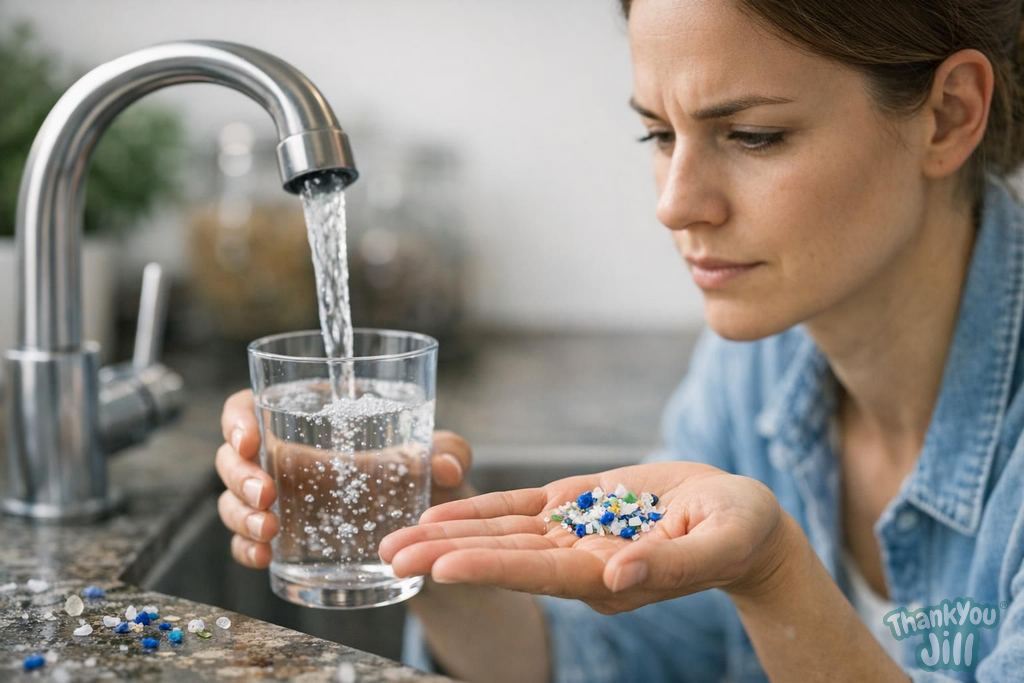
In summer, everyone wants ice-cold water. You open the fridge, grab the coldest bottle, and drink eagerly. It feels refreshing. But is it really? Or are you just getting temporary relief at a cost you don't understand?
The temperature of the water you drink affects how your body absorbs it, how it cools you down, and how you feel. And the best answer isn't what you'd expect.
What Happens When You Drink Ice-Cold Water
Water at 4-5°C (nearly frozen) enters your stomach. Your stomach contracts from the sudden cold. Blood vessels in the stomach wall narrow. Absorption slows down.
Your body has to warm that water to body temperature (37°C) before it can use it. This requires energy. Paradoxically, drinking ice-cold water can make you feel warmer afterward, because your body generates heat to warm the water.
Plus, water that's too cold can cause stomach cramps, especially if you drink quickly or on an empty stomach. That sharp pain you feel after gulping down ice water? That's your stomach protesting.
The Ideal Temperature for Hydration
Studies show that water at 10-15°C is absorbed most rapidly. It's refreshing to your palate, but not so cold that it slows your stomach down. It's the perfect compromise.
At this temperature, water moves quickly from your stomach to your intestines, where it's absorbed. It enters your bloodstream fast. It actually hydrates you, not just on the surface.
Plus, water at 10-15°C is still cool enough to feel pleasant, but it doesn't cause cramps or digestive slowdowns. It's the Goldilocks zone: not too cold, not too hot.
What About Room Temperature Water?
Room temperature water (20-25°C) absorbs well, but it's less appealing to drink in summer. Many people drink less because it doesn't feel refreshing. And drinking less is worse than drinking cold.
If you prefer room temperature water and manage to drink enough, that's fine. What matters is drinking. But if room temperature water makes you drink less, then keeping it cool is better.
Some people digest better with room temperature water. If you have a sensitive stomach, acid reflux, or gastritis, cool water (not cold, cool) might bother you. In those cases, room temperature is better.
The Myth of Hot Drinks in Summer
In some hot countries, people drink hot tea even in summer. They say it cools you down. Is there truth to it? Yes, but it only works under specific conditions.
A hot drink makes you sweat more. If the sweat evaporates completely (dry climate, wind, shade), the evaporation cools you down and the balance is positive. But if humidity is high and sweat doesn't evaporate, you've just produced more heat without cooling down.
In Italy, with summer humidity, drinking hot beverages in summer isn't a good strategy. Cool water is the way to go.
How to Cool Water to the Right Temperature
Don't put water in the freezer. It gets too cold and risks freezing solid. Put it in the fridge on the door or top shelf (less cold). Perfect temperature: 10-12°C.
If water is too cold, leave it out of the fridge for 10-15 minutes before drinking. It warms slightly and reaches the ideal temperature.
In summer, when you're out, use an insulated water bottle. It keeps water cool (not frozen) for hours. It's the best investment for summer hydration.
During Exercise: What Temperature?
During physical activity, your body prefers cool but not ice-cold water. The ideal temperature is 10-15°C. It absorbs quickly and helps cool your body without causing cramps.
Many athletes leave their bottles in the sun and then drink scorching hot water. That's a mistake. Invest in insulated bottles that keep water cool. Performance improves.
Never drink ice-cold water during or right after exercise. Your heart is pumping fast, blood vessels are dilated, your stomach is sensitive. Ice-cold water can cause cramps, nausea, even arrhythmias in extreme cases.
The Psychological Effect of Cold
Drinking cold water gives immediate, pleasant relief. This matters. If cool water makes you drink more, then it's the right choice, even if it's not the optimal physiological temperature.
Better to drink 2 liters of water at 8°C than 1 liter at 15°C just because "15 is better." Quantity matters more than perfect temperature.
Find the temperature that makes you drink more. That's your personal optimal point. There's no one-size-fits-all rule.
Avoid Ice in Drinks
Ice in drinks (water, sodas, cocktails) is too cold. If you drink it all at once, you introduce a frozen mass into your stomach. Risk of cramps is very high.
If you really want ice, let it melt a bit before drinking. Stir well because ice floats and when you drink, you get the coldest part first.
Better alternative: cooling stones (whisky stones). Put them in the freezer, use them to cool drinks, but they don't melt or dilute. They cool less than ice, which is an advantage for your stomach.

Ice-cold water cools your mouth but slows your stomach. Cool water cools your body and truly hydrates you. Choose wisely.
Invest in a Quality Insulated Water Bottle
A good insulated water bottle keeps water at the right temperature for 12-24 hours. Spend 20-30 euros once, and it lasts for years. It's the best investment for summer hydration.
Fill it in the morning with cool water (not ice-cold), carry it with you. You'll have water at the perfect temperature all day.
The Half-Frozen Bottle Trick
Fill a bottle halfway, place it horizontally in the freezer. The water freezes. In the morning, fill the empty part with fresh water. During the day, the ice melts gradually, keeping water cool but not ice-cold.
It's perfect for beach trips, mountain hikes, or days spent outdoors. Cool water guaranteed without a refrigerator.
Alternate Temperature and Type
During the day, drink cool plain water. With meals, if you like, drink room temperature water to avoid slowing digestion. After exercise, drink cool water with electrolytes.
Varying helps prevent boredom and encourages you to drink more. Hydration is a marathon, not a sprint. Find ways to make it enjoyable.
Listen to Your Stomach
If after drinking cold water you get cramps, nausea, or discomfort: that temperature isn't for you. Warm the water slightly. It's not weakness, it's intelligence.
Some people tolerate cold very well. Others have sensitive stomachs. Know your body and respect it.
When Traveling or Outdoors
If you can't keep water cool, drink it anyway. Warm water is better than nothing. But try to keep it in the shade, wrapped in a damp cloth (evaporation cools it), or partially buried if you're camping.
An old Bedouin trick: bottle in a damp sock, hung in the shade. Evaporation from the sock cools the bottle by 5-10°C compared to the surrounding temperature.
For Children and Elderly
Don't give ice-cold water to small children. Their stomachs are more sensitive. Cool or room temperature water is fine. What matters is that they drink.
Elderly people often prefer room temperature water because they have sensitive teeth or delicate stomachs. Respect their preferences: hydration matters, not perfect temperature.
Do a Personal Test
For a week, drink water at different temperatures (ice-cold, cool, room temperature) and note: which you prefer, which makes you drink more, which makes you feel best.
At the end of the week, you'll have your personal answer. Not the textbook answer, yours. And that's the only one that matters.
Frequently Asked Questions
What is the ideal water temperature for effective hydration during summer?
The ideal temperature is between 10 and 15°C: cool enough to be pleasant, but not so cold that it slows stomach absorption or causes cramps. At this temperature, water is absorbed quickly and hydrates effectively.
Why can drinking ice-cold water cause stomach cramps?
Ice-cold water makes your stomach contract and narrows blood vessels, slowing absorption. This thermal shock can cause cramps, especially if drunk quickly or on an empty stomach, leading to discomfort like sharp pain or nausea.
How do you keep water at the right temperature when away from home?
Use a quality insulated water bottle that keeps water cool (10-15°C) for hours. A trick is to fill a bottle halfway, freeze it, then add fresh water: the ice melts gradually, maintaining the ideal temperature without becoming ice-cold.
Is room temperature or cool water better if you have a sensitive stomach?
If you have a sensitive stomach, acid reflux, or gastritis, room temperature water may be more tolerable because it doesn't cause contractions or cramps. However, if you can drink enough cool water without discomfort, that's fine too. What matters is listening to your body.
Latest News




Comments
No comments yet. Be the first!
Leave a comment