


 Italiano
 Français
 Deutsch
 Español
 Português
 Svenska
 Suomi
Suomi
Vegetarianism in Adolescence
How to Do It Right
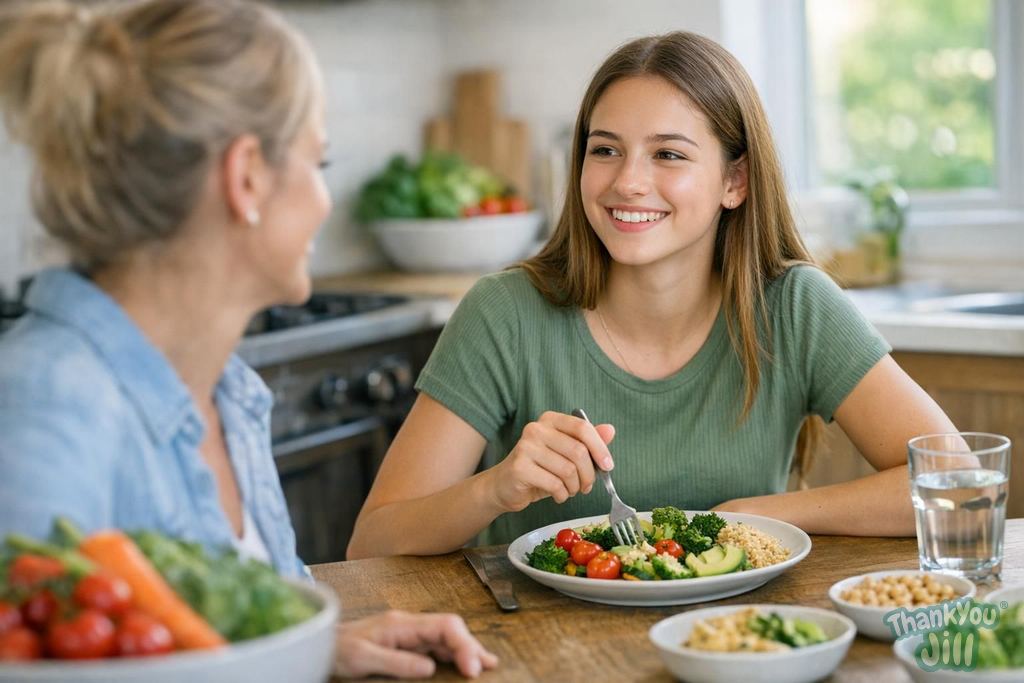
The number of adolescents choosing vegetarian or vegan diets is steadily increasing in Italy and across Europe. The motivations are predominantly ethical (animal welfare) and environmental, often reinforced by social media content. This trend deserves respect: the reasons are legitimate and, from a health perspective, a well-planned vegetarian diet is compatible with adolescent growth. The "well-planned" part is key: vegetarianism and veganism adopted suddenly by teenagers, without nutritional guidance, can lead to serious deficiencies during a period when nutrient requirements are at their peak.
Vegetarianism vs. veganism: practical differences
Lacto-ovo-vegetarian diet (the most common): excludes meat and fish, includes eggs and dairy. Potential deficiencies are manageable: calcium comes from dairy, complete proteins from eggs and dairy, vitamin B12 from eggs and dairy. The main risk is iron (lacking the heme iron found in meat). Vegan diet: excludes all animal products. Potential deficiencies are more significant: vitamin B12 (absent in plants: supplementation is mandatory), vitamin D (scarce in plant sources), DHA and EPA omega-3s (scarce in plants: only ALA with partial conversion), calcium (without dairy requires attention to alternative sources), iron (only non-heme, less bioavailable), zinc (reduced bioavailability from plants), iodine (scarce without algae or iodized salt). A vegan diet in adolescence requires professional nutritional planning and vitamin B12 supplementation as an absolute minimum.
Vitamin B12: essential supplementation for vegans
Vitamin B12 is absent in plants. There is no reliable plant-based source of active vitamin B12 (algae and some fermented foods contain inactive analogues that don't serve the same function). An adolescent vegan without B12 supplementation will develop deficiency within months to years, with potential neurological consequences (peripheral neuropathy, cognitive impairment) and hematological effects (megaloblastic anemia) that may be irreversible. Supplementation is non-negotiable: 1,000 mcg of vitamin B12 (cyanocobalamin or methylcobalamin) weekly, or 25-50 mcg daily. There are no food-based alternatives.
Iron in the vegetarian adolescent
Plant-based iron (non-heme) has bioavailability of 2-20%, compared to 15-35% for heme iron from meat. This doesn't mean vegetarians are necessarily deficient: it means they need to pay closer attention. Strategies to maximize plant-based iron: always consume with vitamin C at the same meal (increases absorption up to 6 times), away from tannins in tea and coffee (wait 1-2 hours after eating), away from phytates in grains if possible (soaking legumes, sourdough bread), abundant plant-based iron sources: lentils, chickpeas, beans, tofu, quinoa, pumpkin seeds, cooked spinach.
Protein in the vegan adolescent: amino acid combinations
Plant proteins have different amino acid profiles than animal proteins: lysine is limiting in grains (abundant in legumes), methionine is limiting in legumes (abundant in grains). The theory that plant proteins must be "combined" in the same meal has been superseded: it's sufficient to vary protein sources throughout the day. High-quality plant protein sources for vegan adolescents: soy and soy products (tofu, tempeh, edamame: complete proteins with all essential amino acids), quinoa (complete protein), combination of legumes + grains throughout the day, hemp seeds, spirulina (high protein content by weight).

The adolescent who chooses vegetarianism for ethical reasons isn't wrong about the direction: they're only wrong if they do it without a roadmap. Veganism in adolescence is compatible with growth, but it requires B12 without exception, attention to iron, planned calcium intake, and ideally at least one consultation with a specialized dietitian. Respecting their choice is the best starting point.
The first appointment with a dietitian: what to bring
If your teenage son or daughter wants to become vegan, the most useful gift you can give them is a consultation with a dietitian specialized in plant-based nutrition. Bring to the appointment: a food diary of 3 days showing what the adolescent would ideally eat (to assess gaps), the most recent blood tests (complete blood count, ferritin, vitamin D, vitamin B12, zinc if available), a list of supplements they were already taking. The dietitian will build a plan that respects the adolescent's ethical choice while ensuring their growth needs are met. It's not a visit to discourage veganism: it's to do it right.
Mandatory and recommended supplements for vegan adolescents
Mandatory (without these, a vegan diet is nutritionally at risk): vitamin B12 (1,000 mcg weekly or 25-50 mcg daily), vitamin D (especially in fall-winter: 2,000 IU daily). Strongly recommended: DHA from marine algae (200-300 mg daily: the original source from which fish obtain omega-3s), iodine (if not using iodized salt regularly: 150 mcg daily). Evaluate with your doctor: iron and zinc (only if deficiency is documented by blood tests: don't supplement without diagnosis). With these supplements and a varied plant-based diet, a vegan adolescent can grow optimally.
How to manage school lunch as a vegetarian/vegan
Italian school cafeterias are legally required to offer vegetarian alternatives upon request. The menu must be agreed upon with the school principal and cafeteria service before the school year begins. Bring documentation of the adolescent's diet (a letter from the pediatrician or dietitian facilitates the process). For packed lunch: legumes in various formats (hummus, chickpea salad, cold pasta and lentils), tofu and tempeh in countless preparations, nuts and seeds as protein snacks, whole grain bread with avocado or tahini. A vegan packed lunch can be much more nutritious and varied than a standard sandwich.
Frequently Asked Questions
What are the most common nutritional deficiencies in vegan adolescents and how can they be prevented?
The most common deficiencies in vegan adolescents involve vitamin B12, vitamin D, iron, calcium, omega-3s, and iodine. Prevention requires mandatory vitamin B12 supplementation, vitamin D supplementation, attention to plant-based sources of iron and calcium, and supplementation with marine algae DHA and iodine if necessary.
How can iron absorption be maximized on a vegetarian diet during adolescence?
To improve plant-based iron absorption, it's helpful to consume foods rich in vitamin C at the same meal, avoid tea and coffee during or immediately after meals, reduce phytates through soaking or fermentation, and include abundant plant-based iron sources such as legumes, tofu, and cooked spinach.
Why is vitamin B12 supplementation essential for vegan adolescents?
Vitamin B12 is absent in reliable plant foods and its deficiency can cause irreversible neurological damage and megaloblastic anemia. Regular vitamin B12 supplementation is therefore essential to prevent these serious consequences and ensure healthy growth.
How can you best prepare for a nutritional consultation for an adolescent who wants to become vegan?
It's important to bring a 3-day food diary showing ideal eating habits, recent blood tests (complete blood count, ferritin, vitamin B12, vitamin D, zinc if available), and a list of supplements already being taken. This helps the dietitian plan a balanced and safe diet.


Latest News

Comments
No comments yet. Be the first!
Leave a comment