


 Italiano
 Français
 Deutsch
 Español
 Português
 Svenska
 Suomi
Suomi
Reduced Appetite
Strategies for Eating Well

Anorexia of aging is the clinical term for the reduction in appetite that accompanies growing older. It's not an eating disorder in the psychiatric sense: it's a geriatric syndrome with multiple causes (physiological, pharmacological, psychological, social) that leads to reduced caloric and protein intake, resulting in malnutrition, sarcopenia, and frailty. It affects 15-30% of non-institutionalized elderly people and up to 60% of those in institutions. It's one of the strongest predictors of mortality in older adults.
Causes of Reduced Appetite in Older Adults
Physiological causes: reduced sense of smell and taste (flavors seem less intense, food less appetizing), slowed gastric emptying (feeling full after just a few bites), reduced intestinal motility, altered satiety hormones (cholecystokinin CCK increases with age: causes earlier fullness; leptin may be altered). Pharmacological causes: many medications reduce appetite (digoxin, anticholinergics, opioids, some antidepressants, chemotherapy drugs, metformin). Reviewing medications with a doctor is always recommended for older adults with reduced appetite. Psychological causes: depression is the most important and most frequently underestimated psychological cause. Grief, social isolation, and loss of independence suppress appetite, often before showing other symptoms. Practical causes: difficulty shopping, cooking, opening containers, eating alone.
How to Stimulate Appetite in Older Adults
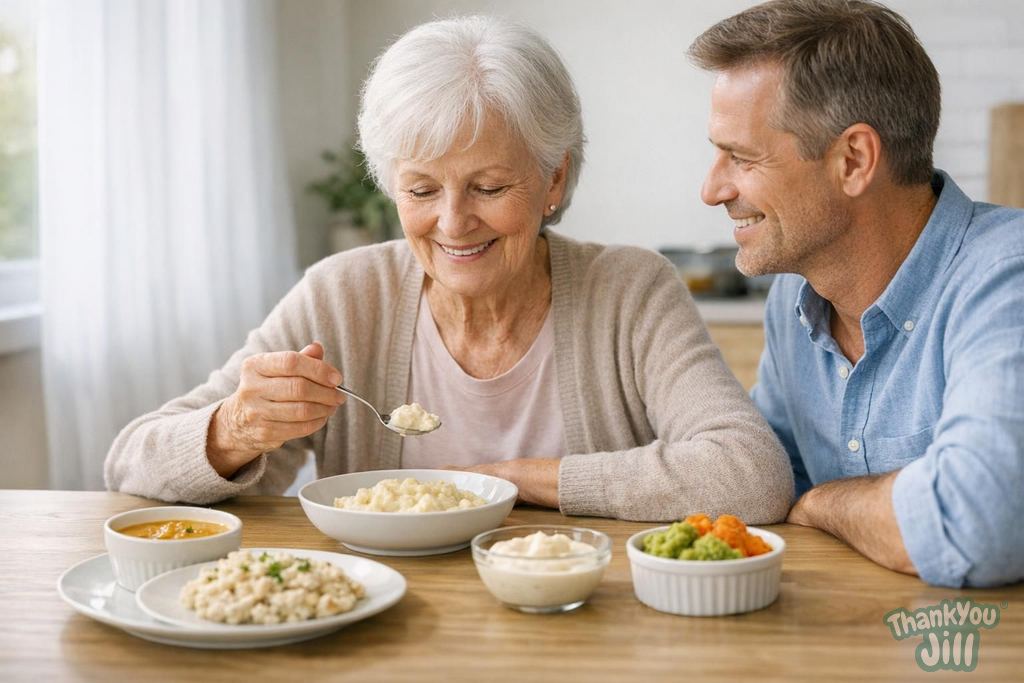
Food presentation: color, aroma, and aesthetic presentation of meals influence appetite in older adults too. A well-prepared, colorful, fragrant plate stimulates salivation and the desire to eat. The same plate every day in a gray plastic container stimulates nothing. Meals with company: social context increases food consumption by 20-30% compared to eating alone. Adult day centers, lunch with family at least a few days a week, friends: any solution to break the loneliness of mealtimes. Small frequent meals: six small meals of 200-300 kcal are more manageable than three large meals for an older adult with early satiety. The time between meals shouldn't exceed 3-4 hours. Highly palatable foods: this isn't the time to impose restrictive diets. If an older adult eats only certain things, start with those and enrich them nutritionally. The jam they love on biscuits can be a vehicle for B vitamins from whole grain biscuits. Food temperature: many older adults prefer hot food (it stimulates smell and salivation): always serve hot, never lukewarm or cold except in special cases.
How to Enrich Meals Without Increasing Volume
The principle of concentrated nutrition: every spoonful should deliver as many nutrients as possible. Extra virgin olive oil added to everything (100 kcal per tablespoon: invisible in flavor, transparent in vegetable soup). Grated Parmesan on every savory dish (protein + calcium + flavor). Powdered skim milk mixed into soup or pureed vegetables (10g per tablespoon = 3.5g protein, invisible). Almond butter in yogurt (healthy fats + protein). Beaten eggs in soups (1 egg in hot broth = 6g additional protein). Creamy cheeses mixed into pasta or creams (ricotta, stracchino: protein + calcium + palatability). With these enrichments, you can add 300-400 kcal and 15-20g of protein daily without increasing the perceived volume of meals.
Oral Nutritional Supplements (ONS) for Older Adults
When dietary modifications aren't enough, oral nutritional supplements (ONS) like Fortimel, Resource, Ensure are indicated for malnourished or at-risk older adults. They're not "supplements" in the common sense: they're complete foods in liquid format (200-300 ml, 200-400 kcal, 15-20g protein) to be consumed between main meals or as a snack replacement. They won't suppress appetite if taken between meals at appropriate intervals. They require medical prescription for NHS reimbursement under specific conditions (dysphagia, diagnosed malnutrition, post-surgery).

An older adult who isn't eating isn't being difficult: they're communicating something specific. Silent depression, ill-fitting dentures, a medication that affects taste, the loneliness of eating alone: behind every older adult who isn't eating is an identifiable and often solvable cause. Find it before resorting to croquettes and thin soup.
The Concentrated Nutrition Method: How to Implement It at Home
Every morning: prepare a small jar of "superfood" to add to everything throughout the day: 2 tablespoons of extra virgin olive oil + 2 tablespoons of grated Parmesan + 1 tablespoon of powdered milk. Add this mix to the midday soup, evening broth, or pasta. With these three ingredients you add about 250 kcal and 8g of protein without increasing the perceived volume of the meal by even a spoonful. This technique, taught to family caregivers, can make the difference between malnutrition and maintaining weight.
Nutritional Assessment in Older Adults: The Mini Nutritional Assessment
The Mini Nutritional Assessment (MNA) is a validated tool for assessing malnutrition risk in older adults. It's an 18-question questionnaire that evaluates: appetite loss in recent weeks, weight loss, mobility, psychological stress, neuropsychological problems, body mass index. A score below 17 indicates malnutrition, between 17 and 23.5 indicates risk. Available free on the Nestlé Institute for Nutrition website. Useful as a screening tool for caregivers and general practitioners.
When Reduced Appetite Is a Sign of Something Serious
Sudden reduction in appetite (over the last 2-4 weeks, not gradual over time) in an older adult who previously ate normally should be evaluated by a doctor. Serious causes to rule out: depression (leading cause), cancer (cancer cachexia is second), chronic latent infection, organ failure (cardiac, renal, hepatic), hypothyroidism, hypercalcemia. Don't wait months before consulting a doctor about sudden appetite loss: diagnostic timing in older adults is critical.
Frequently Asked Questions
What are the main causes of reduced appetite in older adults and how do you recognize them?
Main causes include physiological factors (reduced smell and taste, early satiety), pharmacological factors (medication side effects), psychological factors (depression, loneliness), and practical factors (difficulty cooking or shopping). Recognizing them requires attention to changes in eating behavior and medical consultation.
How can you stimulate appetite in older adults with physiological appetite reduction?
You can stimulate appetite with colorful and fragrant meals, eaten with company, divided into small frequent meals, offering preferred foods, and serving food hot. These measures increase the desire to eat and improve nutritional intake.
How can you enrich older adults' meals without increasing food volume?
You can use concentrated nutrition by adding extra virgin olive oil, grated Parmesan, powdered milk, almond butter, beaten eggs, or creamy cheeses. These ingredients increase calories and protein without changing the perceived amount of food.
When is it necessary to use oral nutritional supplements (ONS) for older adults with reduced appetite?
ONS are indicated when dietary modifications aren't enough to prevent or treat malnutrition. They're complete liquid foods taken between meals, prescribed by a doctor in cases of diagnosed malnutrition, dysphagia, or post-surgery, to ensure adequate caloric and protein intake.

Latest News




Comments
No comments yet. Be the first!
Leave a comment