


 Italiano
 Français
 Deutsch
 Español
 Português
 Svenska
 Suomi
Suomi
Plastic Pollution
Practical Alternatives for Your Grocery Shopping
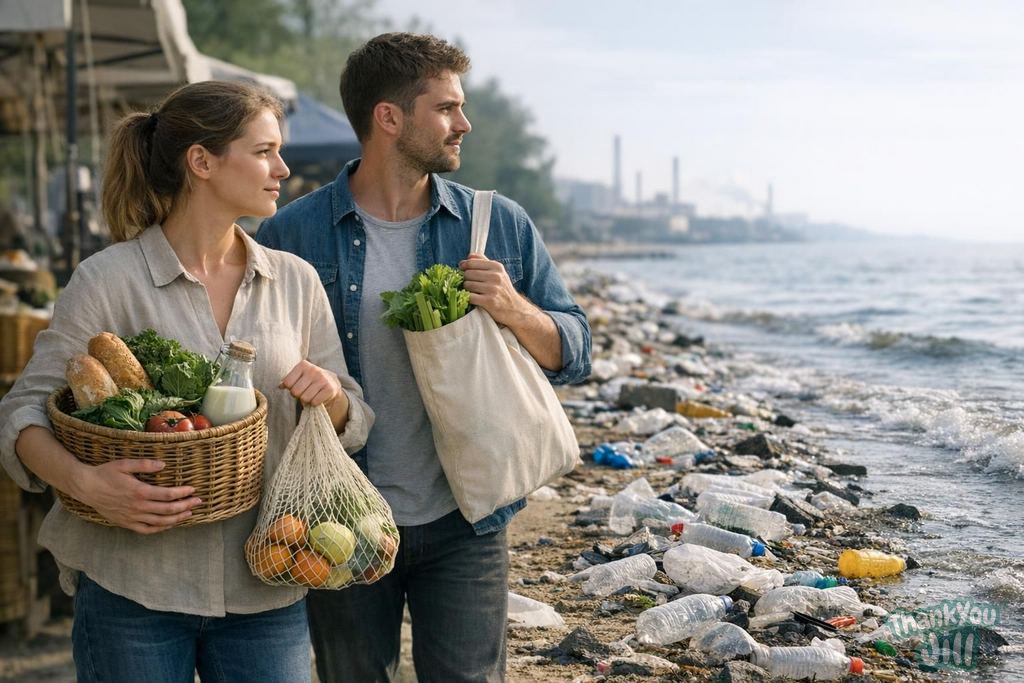
Plastic is one of the most useful materials ever invented by humans: lightweight, versatile, affordable, waterproof, sterile. The problem isn't plastic itself—it's how we use it, particularly the throwaway culture. 40% of all plastic produced is used for packaging, and most of this packaging has a useful life of just a few minutes (bread bags, meat trays, water bottles) yet persists in the environment for hundreds of years. In Italy, each person generates about 32 kg of plastic waste per year. The food sector is the primary driver of this consumption.
The most problematic plastics in grocery shopping
Single-use plastic bags: since January 2022, Italy has banned lightweight non-biodegradable plastic bags for fruits and vegetables (replaced with biodegradable and compostable bags). Heavy "paid" bags are still widespread. Reusable bags (fabric shoppers) and cotton or jute totes last for years and have a significantly lower environmental footprint (calculated per use) compared to single-use bags. Fresh product packaging: polystyrene trays wrapped in film for meat and fish, vegetable bags, containers for sweets and deli items. Rigid plastic packaging for packaged products: water and beverage bottles (the largest volumetric contributor), yogurt and dairy containers, oil and condiment bottles, pasta and cereal packaging.
Practical alternatives to plastic in grocery shopping
Reusable bags: always bring them in your bag when you go to the supermarket. A 5-euro cotton bag lasts 5-7 years: amortized over hundreds of shopping trips, the cost per use is just a few cents. Reusable thermal bags for frozen foods: instead of using the supermarket's single-use thermal bags. Mesh or fabric bags for loose fruits and vegetables: available online or in sustainable goods stores. Lightweight, washable, reusable for years. Reusable containers for the deli counter: at the deli, fish, or meat counter, you can present your own glass or steel container instead of a plastic tray. Since 2019, it's legal in Europe and many supermarkets already accept it. Water bottle: bottled plastic water is one of the most absurd packaging wastes when tap water is safe and high quality (as it is in most of Italy). A 500 ml stainless steel water bottle lasts decades and pays for itself in 2-3 refills compared to buying bottles.
Shopping at farmers markets: naturally less plastic
A farmers market or traditional produce market is by definition far less plastic-heavy than a supermarket: fruits and vegetables go directly into your bag or your own container, without individual packaging, without polystyrene trays. Buying most of your fruits, vegetables, bread, cheeses, and fresh products at a local market reduces packaging by 60-80% compared to a conventional supermarket. In Italy, traditional markets are still very common in all cities: using them is one of the most effective and most enjoyable ways to reduce plastic in your diet.
Online grocery shopping: an opportunity or a problem for plastic?
Online grocery shopping (Amazon Fresh, Esselunga a casa, Cortilia) has an ambivalent impact on plastic: a single order's packaging can be greater (cardboard boxes + bubble wrap + small bags) but home delivery consolidates purchases from many families into a single delivery route (reducing individual transportation). Some organic online grocery platforms (Cortilia in Italy) have explicit packaging reduction policies. The general industry trend is toward more sustainable packaging, but progress is slow. As an online shopper: choose standard shipping options (less urgent = fewer flights, more consolidation), choose platforms with stated sustainable packaging policies, return packaging materials when offered.

You don't need to buy expensive plastic-free products: just bring your cotton bag, your water bottle, your container to the fish counter. Three gestures that cost nothing. Single-use plastic doesn't disappear because it's banned—it disappears because you stop buying it. And you stop buying it by bringing the alternatives you already have at home.
How to reduce plastic in your grocery shopping in five progressive steps
Step 1 (right now, zero cost): always bring the reusable bags you already have at home. Many people have forgotten cotton bags in a drawer—pull them out. Step 2 (week 1, 5-10 euros): buy 3-5 mesh bags for loose fruits and vegetables. Step 3 (month 1): start bringing your own container to the fish and deli counter (a glass or steel one you already have at home works perfectly). Step 4 (month 2): replace bottled water with a water bottle and filter if your tap water tastes of chlorine (activated charcoal filters cost 20-30 euros and last 6 months). Step 5 (ongoing): gradually shift your fresh product purchases from packaged supermarket items to your local market. Five steps, no perceived sacrifice, 60-70% reduction in plastic.
How to convince your supermarket to reduce packaging
Consumer pressure on supermarkets works when it's visible and persistent. Concrete actions: choose products with less packaging (if cheese is available both with and without plastic wrap, choose the one without), leave excessive packaging at the checkout (a practice common in Nordic countries: a visible sign of protest), write to the supermarket's customer service asking for reduced packaging of products you buy most often, choose supermarkets with more advanced sustainable packaging policies when you can (Lidl, Coop, and Esselunga have public plastic reduction targets). Supermarkets respond to consumer demand: every purchase choice is a vote for the system you want.
The "zero waste" movement in Italy: resources and communities
Zero Waste Italy (zerowasteitaly.it): Italian network of families and communities adopting reduced-waste lifestyles. Forums, practical guides, events, map of bulk stores. Bea Johnson and the Zero Waste Home blog: the international inspiration for the movement. Her book "Zero Waste Home" (2013) is the practical manifesto of waste-free living. Mamme in verde and other Italian blogs: online communities of families sharing practices for reducing packaging and waste in daily life. The Instagram and YouTube community on "zero waste Italy" is particularly active and practical in proposing accessible solutions even for those who don't want to commit to extreme lifestyles.
Frequently Asked Questions
What are the most effective alternatives to single-use plastic bags for grocery shopping?
The most effective alternatives include reusable bags made of cotton or jute, mesh bags for loose fruits and vegetables, and reusable thermal bags for frozen foods. These materials last for years and significantly reduce environmental impact compared to single-use options.
How can I reduce plastic at the fish or deli counter?
You can bring reusable glass or steel containers to have fresh products packaged in them, avoiding single-use plastic trays. This practice is legal in Europe and adopted by many supermarkets to reduce packaging.
How much does choosing a local market over a supermarket impact plastic reduction?
Shopping at a local market can reduce plastic packaging by 60-80% compared to a supermarket, since fruits, vegetables, and fresh products are often sold without individual packaging, thus decreasing single-use plastic.
When is it worth switching to a reusable water bottle to reduce plastic in your shopping?
It's worth switching to a stainless steel water bottle right away—it lasts for decades and drastically reduces the purchase of disposable plastic bottles. It's an economical and sustainable investment, especially if your tap water is good quality.
Latest News




Comments
No comments yet. Be the first!
Leave a comment