


 Italiano
 Français
 Deutsch
 Español
 Português
 Svenska
 Suomi
Suomi
Planting Trees
The Best Species for Your Climate Zone
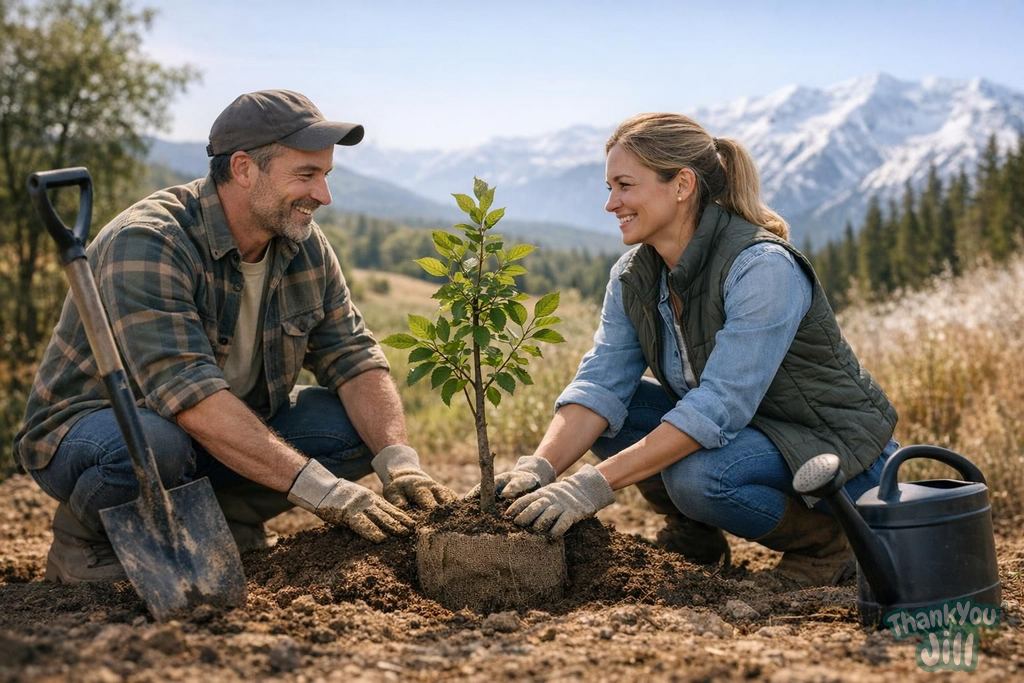
The enthusiasm for reforestation has created the paradox of poplar and eucalyptus monocultures planted to "sequester carbon" that not only support minimal biodiversity but sometimes worsen local hydrological problems (eucalyptus is highly water-hungry and acidifies soil). Choosing the right species for the right context is the difference between reforestation that actually works and one that's just green window-dressing.
Italian climate zones and appropriate native species
Italy has extraordinary climate diversity reflected in the richness of its native flora. Alpine zones (Trentino-Alto Adige, Valle d'Aosta, high mountains): Norway spruce (Picea abies), silver fir (Abies alba), larch (Larix decidua), beech (Fagus sylvatica) at lower elevations, rhododendron, bilberry. These species are perfectly adapted to intense cold and long winters. Pre-Alpine and Po Valley zones (Veneto plains, Lombardy, Piedmont): ash (Fraxinus excelsior), field elm (Ulmus minor), pedunculate oak (Quercus robur), hornbeam (Carpinus betulus), sycamore maple (Acer pseudoplatanus), black alder (Alnus glutinosa) along watercourses. Apennine zones (throughout the Apennines): downy oak (Quercus pubescens), manna ash (Fraxinus ornus), opal maple (Acer opalus), turkey oak (Quercus cerris), sweet chestnut (Castanea sativa). Mediterranean zones (Sicily, Sardinia, coastal Calabria, Liguria, Tyrrhenian coasts): holm oak (Quercus ilex), cork oak (Quercus suber), strawberry tree (Arbutus unedo), carob (Ceratonia siliqua), wild olive (Olea europaea var. sylvestris), terebinth (Pistacia terebinthus), myrtle (Myrtus communis).
Species for the home garden: choosing based on space
Small garden (under 100 m²): species that don't grow too large with manageable canopies. Pomegranate (Punica granatum): native to the Mediterranean, medium growth, edible fruit, beautiful flowering. Hawthorn (Crataegus monogyna): hedge or small tree, berries for birds, excellent for biodiversity. Rowan (Sorbus aucuparia): medium height, red autumn berries, excellent for migratory birds. Amelanchier: small slow-growing tree with early white flowering and edible berries. Fig (Ficus carica): native Italian species, excellent fruit, low water requirements. Medium garden (100-500 m²): medium-sized species. Wild cherry (Prunus avium): early flowering, fruit for birds and humans, spectacular autumn coloring. Common walnut (Juglans regia): tree of great food and ecological value, grows well throughout Italy except the most arid zones. Chestnut (Castanea sativa): prefers acidic soils and cool climate, magnificent wild fruit tree. Alder (Alnus cordata): for wet and clay soils, fixes nitrogen like legumes. Large garden (over 500 m²): large-sized species. Pedunculate oak (Quercus robur) or downy oak (Quercus pubescens): the tree with the greatest ecological value in Italian flora (hosts over 400 insect species). Beech (Fagus sylvatica): for cool and humid zones, majestic, long-lived.
Species to avoid: invasive aliens in Italy
Some species commonly sold in nurseries are invasive in Italy and cause documented ecological damage: black locust (Robinia pseudoacacia): North American, spreads aggressively displacing native vegetation. Should not be planted again in natural environments even though already widespread. Tree of heaven (Ailanthus altissima): Chinese, invades wastelands, slopes, woodlands. Highly invasive. Hybrid poplar (Populus x canadensis): not a native species, hybridizes with native species altering their genetic heritage. Eucalyptus (Eucalyptus spp.): acidifies soil, highly water-hungry, suppresses native vegetation, extremely high fire risk in summer. Butterfly bush (Buddleja davidii): invades river beds, competes with native species. Before buying any tree or shrub at the nursery: ask if it's native Italian or at least European.

A holm oak or downy oak planted today in your garden will grow for 300-1,000 years. They need no irrigation, fertilizers, or special care after the first few years. They'll host hundreds of species of insects, birds, fungi. They'll sequester carbon for centuries. And they'll still be there when no one remembers you. Planting the right species in the right place is the most enduring act of care that exists.
How to find and choose native plants at the nursery
Explicitly ask for "Italian native species": not all nurseries sell them. Look for nurseries specializing in native plants (search "native plant nursery + region name"). Botanical associations and local naturalist groups often have lists of reliable nurseries. Lists of native species by region are available on regional websites (environmental or agricultural departments) and on the MASE portal (Ministry of Environment and Energy Security). The "Italian Flora" project (floraitaliana.it) is an excellent reference for identifying native species for every Italian geographic area.
Correct pruning: how not to damage the trees you plant
Young trees planted in private gardens are often damaged by incorrect pruning. Basic principles: for the first 3-5 years, no pruning (only removal of clearly dead or diseased branches). The tree must develop a natural structure. Never cut "to a willow head" (topping): removing the entire canopy leaving only the trunk is a brutal intervention that produces weak shoots and exposes the trunk to fungi. Don't cut in a way that leaves protruding stubs: cuts should be flush with the branch collar (the swollen area at the base of the branch) to allow natural wound closure. Formation pruning on young trees (2-5 years) should be done by someone who knows the specific biology of the species: an ISA-certified arborist (International Society of Arboriculture) is the professional reference.
Correct planting: the technique that makes the difference
Planting is the most critical moment for a tree's survival. Common mistakes: hole too deep (the root collar must be at soil level or just above: never below), hole too narrow (the hole should be 3 times the diameter of the root ball in width), drainage not verified (compact clay soil causes water pooling: add coarse sand and gravel at the bottom), stakes too tight or too permanent (stakes serve the first 1-2 years to stabilize against wind, then must be removed: a tree that doesn't "move" somewhat in the wind won't develop wood's mechanical resistance), mulch on the collar (mulch around the tree should form a "ring" not in direct contact with the trunk: the collar must remain free).
Frequently Asked Questions
How do you choose the right tree based on climate zone to ensure optimal growth?
To choose the right tree, it's essential to opt for native species from your climate zone, as they're adapted to local conditions, require less maintenance, and support greater biodiversity. For example, in alpine zones you'd prefer firs and beeches, while in Mediterranean zones you'd choose holm oaks and cork oaks.
What are the risks of planting invasive species like eucalyptus or black locust in a reforestation project?
Invasive species like eucalyptus and black locust can alter local ecosystems, reduce biodiversity, acidify soil, or consume large amounts of water. Additionally, they can displace native species and cause hydrological problems, compromising the sustainability and effectiveness of reforestation.
When should you prune a young tree and what mistakes should you avoid to prevent damage?
During the first 3-5 years, you should avoid pruning except to remove dead or diseased branches. You should avoid topping and cuts that leave protruding stubs, preferring cuts flush with the branch collar. Formation pruning should be performed by a certified arborist to respect the species' biology.
What are the correct techniques for planting a tree to ensure its long-term survival?
The root collar must be at soil level or just above, the hole should be three times the diameter of the root ball in width, and drainage must be verified to prevent water pooling. Stakes should be removed after 1-2 years and mulch should leave the collar free to prevent rot.


Latest News



Comments
No comments yet. Be the first!
Leave a comment