


 Italiano
 Français
 Deutsch
 Español
 Português
 Svenska
 Suomi
Suomi
Outdoor Sports
The Benefits of Nature
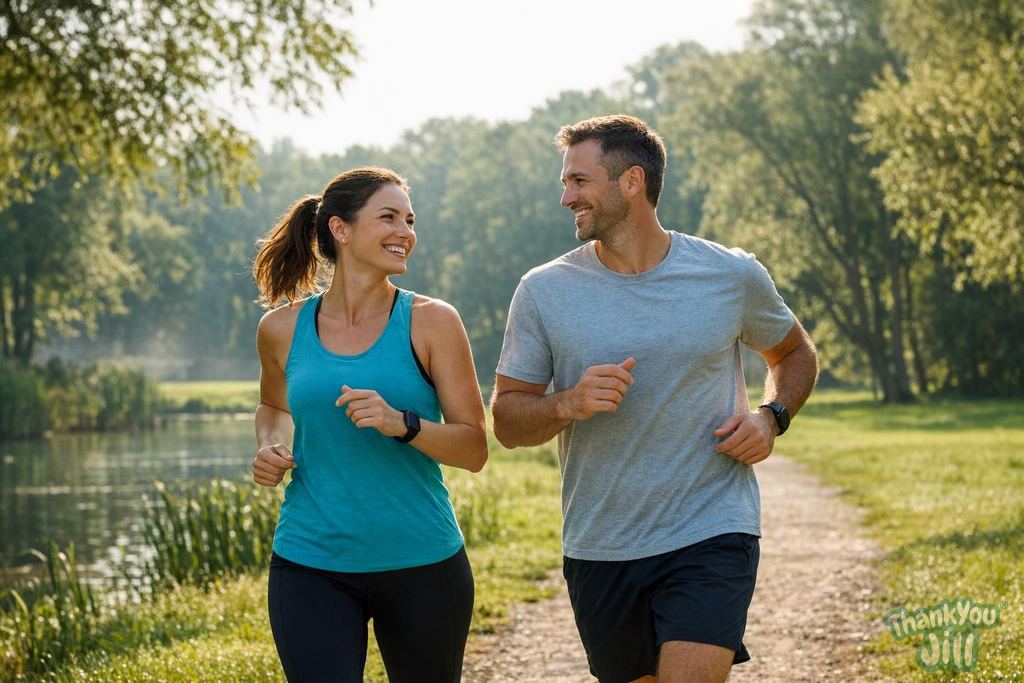
"Green exercise" (physical activity in natural environments) is an emerging research area that has documented additional benefits compared to the same activity performed indoors. It's not romantic nostalgia for nature—it's evolutionary biology. Humans evolved for millions of years in natural environments; our brains are optimized to process natural stimuli with less effort than artificial ones. This produces measurable effects on perceived exertion, mood, heart rate variability, and long-term exercise adherence.
Research on green exercise: documented benefits
The landmark study by Bowler et al. (2010, Environmental Science and Technology) analyzed 25 studies on green exercise: exercising in natural environments produced significantly greater benefits for mood, self-esteem, and energy levels compared to the same activity indoors. The sense of vitality increased 40% more with nature versus indoors. Thompson Coon et al. study (2011, Environmental Science and Technology): meta-analysis of 11 RCTs with 833 adults. Outdoor exercise was associated with greater reductions in tension, confusion, anger, and depression compared to indoor exercise, and with greater sense of vitality and pleasure. Perceived exertion (RPE): studies show that people perceive effort as lower during exercise in nature compared to the same intensity in a gym (measured by heart rate or oxygen consumption). This means you can do more with less perceived fatigue outdoors. Adherence: people who exercise regularly outdoors show higher continuation rates than those who train in gyms, likely due to the combined effect of environmental enjoyment and sensory stimulus variability.
The most accessible outdoor activities and their specific benefits
Walking and trekking: the most accessible of all. Requires no equipment (except appropriate footwear for terrain), no minimum fitness level, accessible to all ages. Benefits of mountain trekking versus flat walking: greater cardiovascular intensity on ascents, diversified leg muscle stimulation (especially descent works quadriceps eccentrically), terrain variability that improves proprioception and balance. Outdoor running: asphalt has about 10-15% greater impact than indoor tracks or treadmills, but psychological benefits and superior adherence offset this disadvantage. Terrain variability in trail running is a very rich neuromuscular exercise. Cycling: excellent cardiovascular benefits with low joint impact. In Italy, the cycling route network is expanding. Open water swimming: the thermal response to cold water and the need to adapt to environmental variability produce a unique hormonal and neuropsychological stimulus. Sport climbing: the combination of strength, endurance, spatial problem-solving, and risk management produces very comprehensive cognitive and physical stimulation.
The role of sunlight during outdoor exercise
Morning outdoor exercise produces the optimal combination: physical activity + sunlight + nature exposure. The three benefits add up: sunlight produces vitamin D (deficient in 70-80% of Italians in winter), synchronizes circadian rhythm (improves evening sleep), increases serotonin (antidepressant effect). Exercise produces BDNF, endorphins, and cortisol reduction. Nature produces stress reduction and increased vitality. A brisk 20-minute walk outdoors in the morning is one of the most powerful and accessible health interventions available, with zero cost and zero contraindications for most adults. It doesn't need to be in a forest: a small city park with trees produces most of the benefits of nature.
Making outdoor activity safe: basic principles
Layered clothing (for variable temperatures): breathable base layer, insulating layer, windproof/waterproof outer layer. Footwear appropriate for terrain: for trails and trekking, shoes with sculpted soles and ankle support. Hydration: in summer, at least 500 ml per hour of moderate activity, more in case of heat and intense sweating. Sun protection: SPF 30-50 sunscreen, hat for outings longer than 30 minutes in summer. Route knowledge: for longer mountain outings, download offline maps (Komoot, Wikiloc apps) and share your route with someone. Weather: always check the forecast before heading out for mountain activities. Bad weather at altitude can be dangerous. For absolute trekking beginners: start with marked and frequented CAI trails (the cai.it website has a map of all trails), or participate in organized outings from local hiking groups for your first few times.

Running on a treadmill and running in a forest are not the same thing: research shows that outdoors you perceive less fatigue, your mood improves more, and you keep going longer over time. Nature isn't just the backdrop to physical activity—it's part of the benefit. Get outside. Breathe. Move.
How to find routes and outdoor activities in your area
Apps and platforms for finding routes: Komoot (komoot.com): the most comprehensive map of trails and cycling routes in Europe, with user reviews and difficulty ratings. Wikiloc (wikiloc.com): huge database of GPS tracks shared by users. AllTrails: international trail database with ratings and photos. CAI (cai.it): map of CAI trails in Italy, numbered and marked, with difficulty indicators. For organized activities: local CAI sections organize weekly hikes for all levels. Local running groups (search Strava or Facebook for "running club + your city name") organize regular outings. Municipal sports centers often have seasonal outdoor activity programs (Nordic walking, hiking, group cycling).
Outdoor activity in winter: how to keep going
Italy's climate is favorable for outdoor activity for much of the year, but many people stop when it gets cold. Tips for continuing in winter: dress in layers and start more covered than you think necessary—you'll warm up in 5-10 minutes of movement; the problem is starting in the cold, not being warm while moving. The coldest mornings with clear skies are the most beautiful for walking or running: the air is crisp, winter's silence has something unique about it. Moderate cold (0-10°C) is excellent for aerobic exercise: your body works more efficiently, perceived fatigue is lower. Skiing, snowshoeing, and Nordic walking on snow are seasonal activities that transform winter from an obstacle into an opportunity. Winter sun is precious for vitamin D: every minute of exposure counts, even in cold months.
Green exercise and mental health: a specific focus
Outdoor exercise in nature has specific evidence for certain mental health conditions. Depression: regular aerobic exercise has antidepressant effects comparable to SSRIs for mild-to-moderate depression (meta-analysis by Blumenthal et al.). Outdoor exercise produces additional benefits compared to indoor activity. ADHD in children: studies show that free play in natural environments significantly reduces ADHD symptoms. A walk in a tree-lined park before homework produces better school results in children with ADHD. Anxiety: nature exposure reduces anxiety directly through cortisol reduction and parasympathetic system stimulation. Physical exercise adds an additional mechanism. Burnout: green exercise is one of the recommended interventions in work burnout therapy, for its ability to restore attention, which burnout compromises.
Frequently Asked Questions
What are the specific benefits of outdoor exercise compared to indoor activity?
Outdoor exercise reduces perceived exertion, improves mood, increases self-esteem and vitality, and promotes greater long-term adherence compared to activity performed indoors, thanks to the combined effect of nature and sunlight.
How do you choose the outdoor activity best suited to your needs based on benefits and accessibility?
Walking is the most accessible and suitable for all ages, trekking intensely stimulates the cardiovascular system and proprioception, outdoor running improves mood and adherence, while cycling and open water swimming offer unique cardiovascular and neuropsychological benefits.
How much does sunlight during outdoor exercise impact mental health benefits?
Sunlight during outdoor exercise promotes vitamin D production, synchronizes circadian rhythm improving sleep, and increases serotonin with antidepressant effect, amplifying the physical and psychological benefits of activity in nature.
How do you keep outdoor sports safe and consistent even in winter?
To practice outdoor sports in winter, it's important to dress in layers, protect yourself from cold and sun, hydrate adequately, know your route, and monitor the weather. Activities like skiing, snowshoeing, and Nordic walking transform cold into an opportunity to stay active.
Latest News
Comments
No comments yet. Be the first!
Leave a comment