


 Italiano
 Français
 Deutsch
 Español
 Português
 Svenska
 Suomi
Suomi
Depression
Nutrition That Supports Treatment
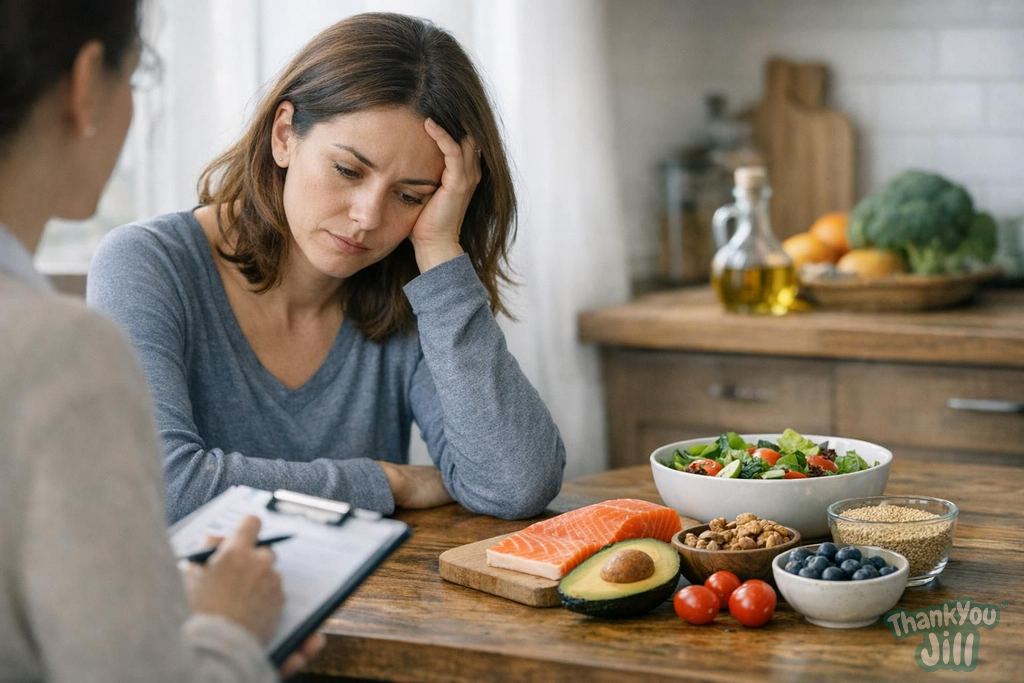
Nutritional psychiatry is an emerging discipline that examines the relationships between diet, gut microbiome, and mental health. In less than a decade, substantial scientific evidence has accumulated showing that nutrition is a modifiable factor relevant to both the risk and course of depression. This doesn't mean depression is "caused" by poor diet, nor that it can be cured with food alone—rather, nutrition is one of the supportive tools that, integrated with medication and/or psychological therapy, can improve outcomes. Understanding this changes our approach to treatment.
The link between diet and depression: the scientific evidence
The strongest scientific evidence on the diet-depression connection comes from large observational studies and, more recently, from randomized controlled trials. Mediterranean diet and depression: A 2018 meta-analysis (Lassale et al., Molecular Psychiatry) of over 41,000 people showed that those following a Mediterranean diet had a 33% reduced risk of depression compared to those eating Western diets high in ultra-processed foods. The SMILES Trial (2017, Jacka et al., BMC Medicine): the first randomized controlled trial of dietary intervention for clinical depression. 67 adults with moderate-to-severe major depression were divided into a modified Mediterranean diet group versus a social support control group. After 12 weeks: 32% of the diet group achieved remission versus 8% of the control group. The effect was independent of physical activity, body weight, and medication. The HELFIMED Trial (2017): similar to SMILES, with a focus on omega-3 fatty acids. Results showed comparable improvements in depressive symptoms in those following the modified diet. Proposed biological mechanisms: diet influences gut microbiome composition (the gut-brain axis), systemic inflammation levels (depression has an inflammatory component), availability of neurotransmitter precursors (tryptophan for serotonin, tyrosine for dopamine), and neuroplasticity through BDNF (Brain-Derived Neurotrophic Factor).
The most studied nutrients in depression
Omega-3 (EPA and DHA): the most extensively studied. A 2016 meta-analysis (Mocking et al., Translational Psychiatry) of 1,233 patients showed significant antidepressant effects from omega-3s, with EPA as the primary active component. Mechanism: anti-inflammatory action, modulation of serotonergic receptors, support for neuronal membrane fluidity. Studied dosage: 1–2 g/day of EPA. Sources: fatty fish (salmon, mackerel, sardines), fish oil supplements. Tryptophan: an amino acid precursor to serotonin. Not directly linked to depression except in extreme deficiency states, but tryptophan-rich proteins (turkey, eggs, dairy, pumpkin seeds) support serotonin synthesis, especially when combined with carbohydrates (which facilitate tryptophan transport to the brain). Folate and vitamin B12: folate deficiency is more common in people with depression than in the general population. Folate is necessary for methylation and neurotransmitter synthesis. B vitamins (B6, B9, B12) are cofactors in the biosynthetic pathways of serotonin and dopamine. Vitamin D: low vitamin D levels are associated with higher depression prevalence in numerous observational studies. Supplementation in deficient individuals improves depressive symptoms (Shaffer et al., 2014). Magnesium: studies have found a correlation between low magnesium levels and depression. A study by Tarleton et al. (2017, PLOS ONE) showed improvement in depressive symptoms with supplementation of 248 mg/day of elemental magnesium over 6 weeks.
The gut microbiome and depression: the gut-brain axis
One of the most fascinating mechanisms linking diet and mental health is the gut-brain axis. The gut microbiome—the 100 trillion bacteria living in the digestive tract—communicates with the brain through the vagus nerve, the immune system, and neurotransmitters produced directly in the gut. Key facts: approximately 95% of the body's serotonin is produced in the gut (not the brain). Gut bacteria influence the production of GABA, serotonin, and dopamine. Alterations in the microbiome (dysbiosis) have been documented in people with depression (Jiang et al., 2015; Kelly et al., 2016). Diet is the primary modulator of the microbiome. A diet rich in fermentable fiber (prebiotics) and fermented foods (probiotics) promotes microbiome diversity, which is associated with better mental health. The Wastyk study (Cell, 2021) showed that a diet rich in fermented foods for 10 weeks increased microbiome diversity and significantly reduced markers of systemic inflammation (19 inflammatory proteins reduced). Foods that support the microbiome in depression: whole-milk yogurt with live cultures, kefir, kimchi, sauerkraut, kombucha (fermented foods), garlic, onions, artichokes, green bananas, legumes, oats (prebiotics), and an overall diet rich in plant fiber.

No diet cures depression on its own. But eating well is one of the acts of self-care you can do even on the darkest days, and it's one of the few that acts on inflammation, microbiome, and neurotransmitters simultaneously. Food doesn't replace a psychiatrist or psychologist—it complements them. And changing one meal at a time is more sustainable than overhauling everything at once.
The Mediterranean diet adapted for depression: practical guidelines
The dietary model with the strongest evidence for mental health is the Mediterranean diet, with specific emphases for depression. Daily foundation: abundant vegetables (at least 5 servings a day—easier in Italy than in many other cultures), fresh fruit (2–3 servings), legumes (at least 4 times a week: lentils, chickpeas, beans), whole grains (bread, pasta, brown rice instead of refined), extra virgin olive oil as the primary fat, nuts and seeds (walnuts, almonds, flax and pumpkin seeds: sources of plant-based omega-3s and magnesium). Frequent but not daily: fatty fish (salmon, mackerel, sardines, anchovies: at least 2–3 times a week), eggs (3–4 per week), fermented dairy (yogurt, kefir, fresh cheeses). Limited: red meat (less than 2 times a week), ultra-processed foods (industrial snacks, fast food, sugary drinks: research shows a dose-response relationship between ultra-processed food consumption and depression risk), alcohol (minimize: alcohol is a central nervous system depressant). Watch your sugar intake: postprandial hyperglycemia (blood sugar spikes from meals high in simple sugars) is followed by a sharp drop in blood glucose that can worsen mood and energy levels in the hours that follow. Balanced meals with fiber, protein, and healthy fats slow glucose absorption and stabilize blood sugar.
Interactions between antidepressants and food
Some interactions between antidepressant medications and foods are clinically significant and often not communicated by doctors. SSRIs (selective serotonin reuptake inhibitors: fluoxetine, sertraline, paroxetine, escitalopram): generally good food tolerance. Nausea is common in the first few weeks—taking with food reduces nausea. Alcohol potentiates sedation and reduces effectiveness: avoid or minimize. MAOIs (monoamine oxidase inhibitors: phenelzine, tranylcypromine, selegiline: used less frequently): this class has the most serious and clinically significant food interactions. MAOIs inhibit tyramine metabolism: tyramine accumulation causes potentially fatal hypertensive crises. Foods high in tyramine to strictly avoid with MAOIs: aged cheeses (Parmesan, Pecorino, Fontina, Parmigiano, Brie, Camembert: prohibited), cured and fermented meats (salami, aged prosciutto, pepperoni), red wine and draft beer, soy sauce, yeast extract (Marmite), fava beans. Lithium (used in bipolar disorder, not strictly an antidepressant): diet influences lithium levels. Sodium intake (salt) must remain stable: a sudden reduction in dietary sodium increases lithium retention with risk of toxicity. Avoid drastic low-sodium diets without medical supervision. Caffeine with antidepressants: caffeine can increase anxiety in susceptible individuals and interferes with sleep—both factors that worsen depression.
Practical strategies on difficult days: eating when you have no appetite
One of the most common symptoms of depression is loss of appetite and interest in food, with difficulty cooking or organizing meals. Strategies that work even on the worst days: batch cooking (preparing large quantities once a week and storing in portions): on difficult days, reheat in the microwave instead of cooking from scratch. This minimizes the cognitive load of meal preparation. The freezer as your ally: cooked legumes, soups, portions of grains, frozen fruit smoothies: nutritious foods ready in 5 minutes. Don't skip meals: even on days without appetite, eat something at regular intervals (every 3–4 hours) to keep blood sugar and energy stable, reducing irritability and fatigue. Even whole-milk yogurt with a spoonful of honey and some nuts counts as a valid meal. The "easy but nutritious" rule: avocado on whole grain bread, poached egg on spinach, oatmeal with nuts, Greek yogurt with fresh fruit. Few ingredients, minimal effort, high nutritional density. Don't judge yourself for days of less healthy eating: dietary rigidity can worsen the sense of failure on difficult days. The goal is the overall trend of the week, not perfection with every single meal.
Frequently Asked Questions
Which nutrients are most effective in supporting depression therapy?
Omega-3s (EPA and DHA), tryptophan, folate, vitamin B12, vitamin D, and magnesium are the most studied nutrients with positive effects in supporting depression therapy, acting on inflammation, neurotransmitters, and neuroplasticity.
How can the Mediterranean diet reduce depression risk?
The Mediterranean diet reduces depression risk by 33% through eating abundant vegetables, fruit, legumes, whole grains, fatty fish, and extra virgin olive oil, which improve the gut microbiome and reduce systemic inflammation.
Which foods must be avoided when taking MAOI antidepressants?
With MAOI antidepressants, it's essential to avoid foods high in tyramine such as aged cheeses, cured meats, red wine, draft beer, soy sauce, and yeast extract to prevent potentially fatal hypertensive crises.
How do you manage eating on days when depression reduces your appetite?
On difficult days, batch cooking, storing ready-made portions in the freezer, and eating easy but nutritious meals at regular intervals help maintain stable energy and blood sugar, while avoiding rigidity that worsens feelings of failure.


Latest News




Comments
No comments yet. Be the first!
Leave a comment