


 Italiano
 Français
 Deutsch
 Español
 Português
 Svenska
 Suomi
Suomi
Horticultural Therapy
Healing Through Gardening
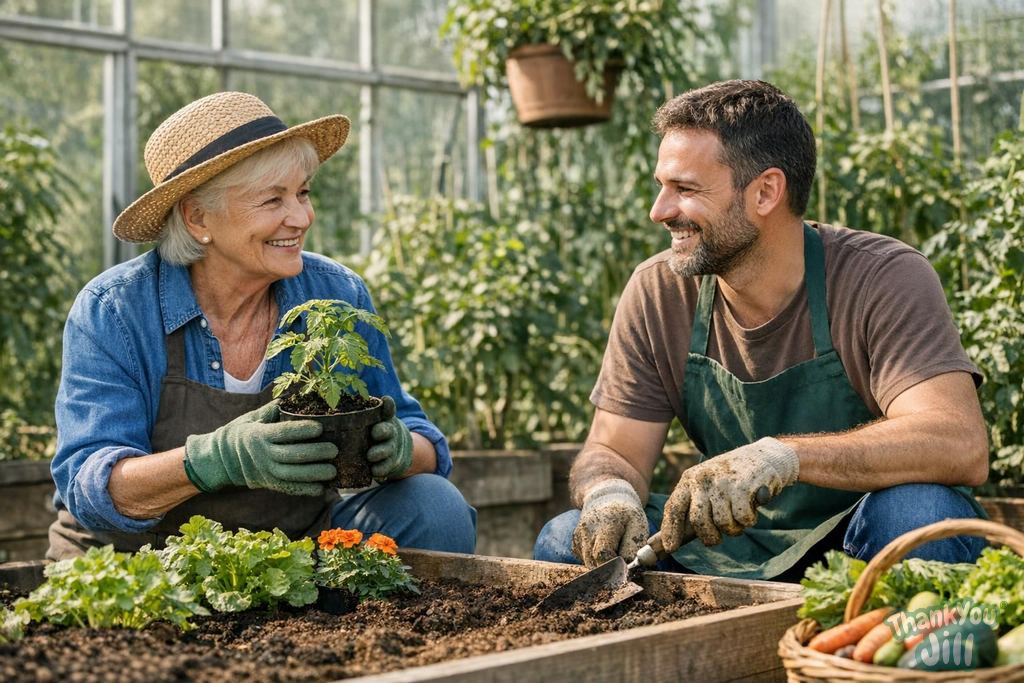
Horticultural Therapy (HT) is a form of professional therapy that uses gardening and plant cultivation activities as a therapeutic tool to improve the physical, cognitive, and emotional health of individuals with various conditions. It's not simply a recreational activity: it's a discipline with a growing scientific foundation, with certified professionals (in the USA and UK: Registered Horticultural Therapist) and applications in hospitals, nursing homes, mental health centers, rehabilitation facilities, and prisons.
Documented Benefits of Horticultural Therapy
The benefits of horticultural therapy have been documented across various populations. Dementia and Alzheimer's: gardening keeps cognitive abilities active that are preserved even in advanced stages of dementia (procedural memory: how to plant a seed, how to water). Studies show reduced agitation (the main disruptive behavioral symptom of dementia), improved mood, reduced sedative medications, and maintained fine motor skills. The "Dementia Gardens" project (UK): therapeutic gardens specifically designed for care facilities for elderly people with dementia. Features: circular pathways without dead ends (reduce disorientation), rich sensory materials (various textures, colors, scents), non-toxic plants that are easy to handle. Depression and anxiety: a systematic review by Soga, Gaston, and Yamaura (2017, Preventive Medicine Reports) analyzed 22 studies on therapeutic horticulture for mental health: positive results in reducing depressive and anxious symptoms across all studies. The proposed mechanism includes: moderate physical exercise (gardening combines light aerobic activity with precision work), sun exposure (circadian rhythm regulation and vitamin D production), contact with soil microbiome (Mycobacterium vaccae: a soil bacterium that stimulates serotonergic neurons). Physical rehabilitation: gardening produces complex joint movements (digging, planting, harvesting, pruning) that improve mobility, strength, and coordination in patients with arthritis, post-stroke, and post-orthopedic surgery. The advantage over traditional physical therapy: gardening is more motivationally engaging (you work toward a visible result: the growing plant) and produces immediate gratification. Neurodevelopmental disorders (autism, ADHD): sensory contact with plants (textures, scents, colors) and the predictable structure of cultivation activities (seeds, germination, growth, harvest: a logical and causal sequence) are particularly suited for children with autism. Studies show reduced stereotyped behaviors and improved sustained attention.
Soil Microbiome and Mental Health: The Mycobacterium vaccae Hypothesis
One of the most fascinating hypotheses about the mechanisms of horticultural therapy concerns the soil microbiome and its influence on mood. Mycobacterium vaccae: a common soil bacterium (non-pathogenic) that is inhaled or ingested during gardening activities. Christopher Lowry (University of Colorado, 2007) showed that mice injected with M. vaccae exhibited less anxious and more exploratory behaviors, and that their serotonergic neurons in the hippocampus and prefrontal cortex were more active. The hypothesis: M. vaccae (and other similar soil bacteria) activate innate immune system receptors (macrophages, dendritic cells) that send signals to the brain (through the vagus nerve) increasing serotonin production. A mechanism similar to the gut microbiome hypothesis for mental health, but through soil rather than the intestine. Implications for horticultural therapy: working with hands in soil exposes you to M. vaccae and other soil bacteria that could have mild anxiolytic and antidepressant effects through this mechanism. It's not an effect expected from motor activity alone: it's a biological effect of contact with the soil's microbial biodiversity. Cautions: the hypothesis is fascinating but not yet confirmed in controlled clinical studies in humans with direct serotonin measurements. Results in mice are robust; extrapolation to humans requires caution. However, there is no clinical reason to avoid soil contact in immunocompetent individuals (non-pathogenic soil bacteria are not risky).
Horticultural Therapy in Italy: Applications and Facilities
In Italy, horticultural therapy is in a development phase and not yet formally recognized as an autonomous healthcare profession (as it is in English-speaking countries). However, interesting clinical applications are emerging. Facilities applying it: psychiatric hospitals and CMHCs (Community Mental Health Centers): therapeutic gardens in various mental health settings, especially in residential facilities. The Bologna Hospital Authority project (Padiglione Orto): a therapeutic garden in a psychiatry ward. Nursing homes and care facilities: gardens in care facilities as therapeutic activities for elderly people and those with dementia. The most advanced facilities have sensory gardens specifically designed. Prisons: some Italian correctional institutions have horticulture programs for inmates, with documented benefits in reducing aggression and supporting social reintegration. Social cooperatives: some type B social cooperatives (which place people with psychological difficulties in the labor market) manage gardens as a context for therapeutic work and reintegration. Training pathway: in Italy, horticultural therapy can be practiced by various professionals (educators, occupational therapists, physiotherapists, psychologists) with specific additional training. The Italian Association of Horticultural Therapy (AITHO) is developing a training and certification pathway for Italian practitioners. How to start at home: self-application of horticultural therapy doesn't require a therapist. A balcony with 5-10 pots of herbs, a small garden on a terrace, growing sprouts on a windowsill: any conscious cultivation activity has documented beneficial effects on mood and stress.

Putting your hands in the soil and planting a seed: an act so ancient it's in the DNA of every human being who has cultivated for ten thousand years. Gardening is not just a hobby: it's a documented remedy for anxiety, depression, and dementia. The soil microbiome, body movements, the satisfaction of harvest, the rhythm of seasons: a multi-sensory therapy that no drug can replicate. And the best part: it's accessible to everyone.
The School Garden: Learning Through Cultivation
The school garden is one of the most effective and versatile pedagogical tools in modern education. It combines scientific education, practical work, environmental and food education in a concrete and motivating activity. Documented benefits of the school garden: improved scientific knowledge (biology, chemistry, physics, mathematics applied to plant growth), increased vegetable consumption in children (children who grow vegetables eat them more willingly: the "pride of cooking" effect), reduced bullying and improved classroom climate (the garden is a context of collaboration and shared responsibility), development of practical skills (fine motor skills, planning, problem-solving), emotional connection with the food cycle (knowing where the food you eat comes from). The national "Orto in condotta" project (Slow Food): one of the most widespread school gardening programs in Italy, with thousands of participating schools. Children participate in all phases of the garden cycle, from seeds to plate. The "garden week": many Italian schools have integrated the garden into their curriculum as a permanent laboratory. Some regions (Emilia-Romagna, Tuscany, Trentino) have regional programs supporting school gardens with teacher training and equipment funding. The food garden in middle and high school: for older students, the garden can become a real laboratory for agronomy, soil chemistry, applied biology, and business (calculating production costs and revenues). Some Italian agricultural schools have productive gardens of hundreds of square meters managed by students. How to design a school garden: small and manageable plots (1-2 m² per group of 4-5 children), fast-growing and visible species for younger children (radishes in 25 days, lettuce in 40 days), more complex species for older students (tomatoes, zucchini, beans), a simple irrigation system to manage, supporting teaching materials (observation sheets, garden diary, recipes with the products).
Frequently Asked Questions
What specific benefits does horticultural therapy offer for people with dementia?
Horticultural therapy helps maintain cognitive abilities such as procedural memory, reduces agitation, improves mood, decreases the use of sedative medications, and preserves fine motor skills, thanks to gardens designed to reduce disorientation and stimulate the senses.
How does contact with soil microbiome affect mental health in horticultural therapy?
Contact with soil bacteria such as Mycobacterium vaccae can stimulate serotonergic neurons, reducing anxiety and depression. This biological effect, distinct from physical activity, is still being studied but suggests anxiolytic and antidepressant benefits through soil exposure.
How does horticultural therapy support physical rehabilitation compared to traditional physical therapy?
Horticultural therapy involves complex joint movements and improves mobility, strength, and coordination. It's more motivating than traditional physical therapy because it offers immediate gratification through plant growth, increasing patient adherence and engagement.
How can you start practicing horticultural therapy independently at home?
All you need is a small space like a balcony with 5-10 pots of herbs or a garden on a terrace. Growing sprouts or plants with awareness produces benefits for mood and reduces stress, without needing a professional therapist.

Latest News



Comments
No comments yet. Be the first!
Leave a comment