


 Italiano
 Français
 Deutsch
 Español
 Português
 Svenska
 Suomi
Suomi
How to Store Fruit and Vegetables
Techniques to Keep Them Fresh
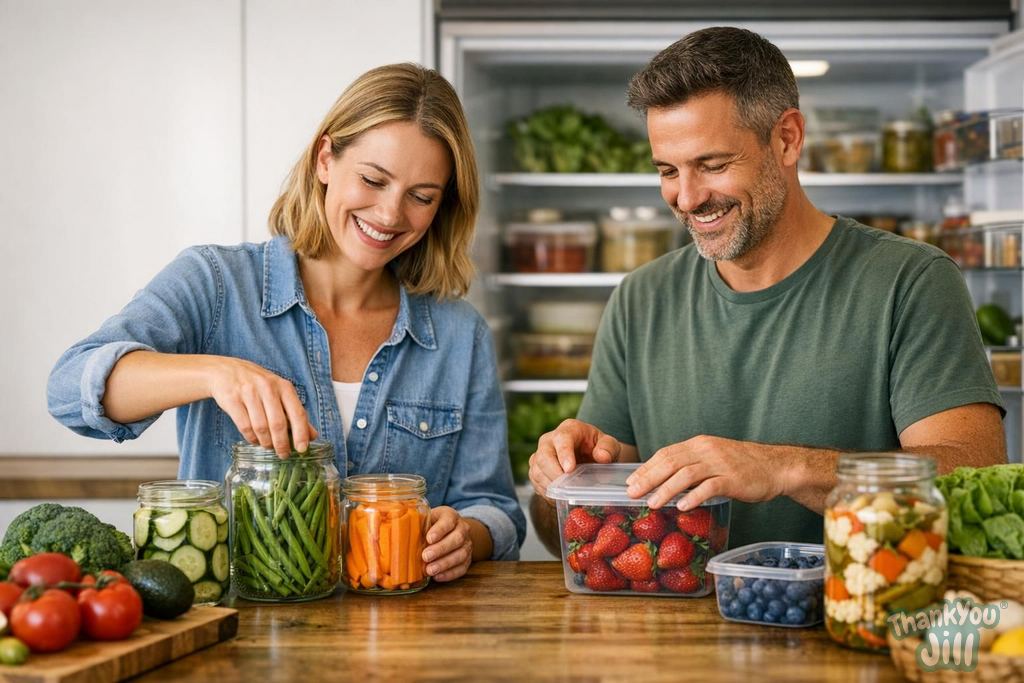
Every year, Italy wastes approximately 4.5 million tons of food. A significant portion is fruit and vegetables that spoil due to poor storage before they're consumed. It's not just an economic problem (Italian families are estimated to throw away about 500 euros worth of food annually), but an environmental one too: wasted food accounts for 10% of global greenhouse gas emissions, since it includes all the energy, water, and resources used to produce it.
The Refrigerator: Not the Right Place for Everything
The most common mistake is putting everything in the fridge thinking cold always preserves. That's not true. Many products deteriorate faster in the refrigerator than at room temperature.
Don't refrigerate: tomatoes (cold stops ripening and ruins texture, they lose much of their flavor), potatoes (cold converts starch to sugar, changing texture and taste), onions and garlic (they need dry air; the fridge makes them soggy), bananas (cold blackens the skin), unripe avocados (ripening stops), cucumbers (soften rapidly below 10°C), basil and tropical herbs (they blacken).
What Goes in the Fridge and Where
Not all refrigerator shelves have the same temperature. The bottom shelf (near the vegetable drawer) is coldest: about 2-4°C. The middle shelf is 4-6°C. The top shelf is warmest: 6-8°C. The door is the least cold zone (8-10°C).
Vegetable drawer (4-5°C, high humidity): leafy greens, broccoli, cauliflower, green beans, peas, carrots, celery, zucchini, cut peppers. Bottom shelf (2-4°C): strawberries, raspberries, blackberries, fresh meat and fish. Middle shelf: cheeses, dairy products, eggs, cooked leftovers. Door: condiments, opened juices, butter, sauces.
Bags and Containers: How to Use Them Right
Leafy vegetables lose water quickly in the fridge. Store them in plastic bags with a few holes or in containers with paper towels on the bottom (to absorb excess moisture). Strawberries: never wash before storing, never stack them. On paper towels in an open container for a maximum of two days. Herbs like parsley and cilantro: like a bouquet of flowers in a glass of water, then wrapped with a plastic bag—they'll last a week in the fridge.
Room Temperature Storage
Ripe fruit you'll eat in 2-3 days: leave it in a bowl outside the fridge, away from direct light. Fruit produces ethylene gas during ripening—a gas that speeds up ripening in nearby fruits. So separate fruits that ripen quickly (bananas, apples) from those you want to keep longer (kiwis, unripe pears).
The ethylene trick works in reverse too: if you want to speed up ripening of a hard avocado, put it in a paper bag with a ripe banana. The banana's ethylene will ripen the avocado in 24-48 hours.
Freezing Fruit and Vegetables: The Most Powerful Method
Freezing preserves almost all nutrients if done correctly. The blanching technique (quick boil in hot water for 2-3 minutes, then immediate cooling in ice water) stops the enzymes that cause deterioration and preserves color and texture during freezing.
These freeze well: spinach, green beans, peas, corn, chopped zucchini, broccoli, cauliflower (all after blanching). These don't freeze well: salads (lose texture completely), whole tomatoes (become very soft, but work fine for sauces). Strawberries freeze beautifully raw, but become soft when thawed—use them for smoothies or compotes.
Traditional Preservation Techniques That Still Work
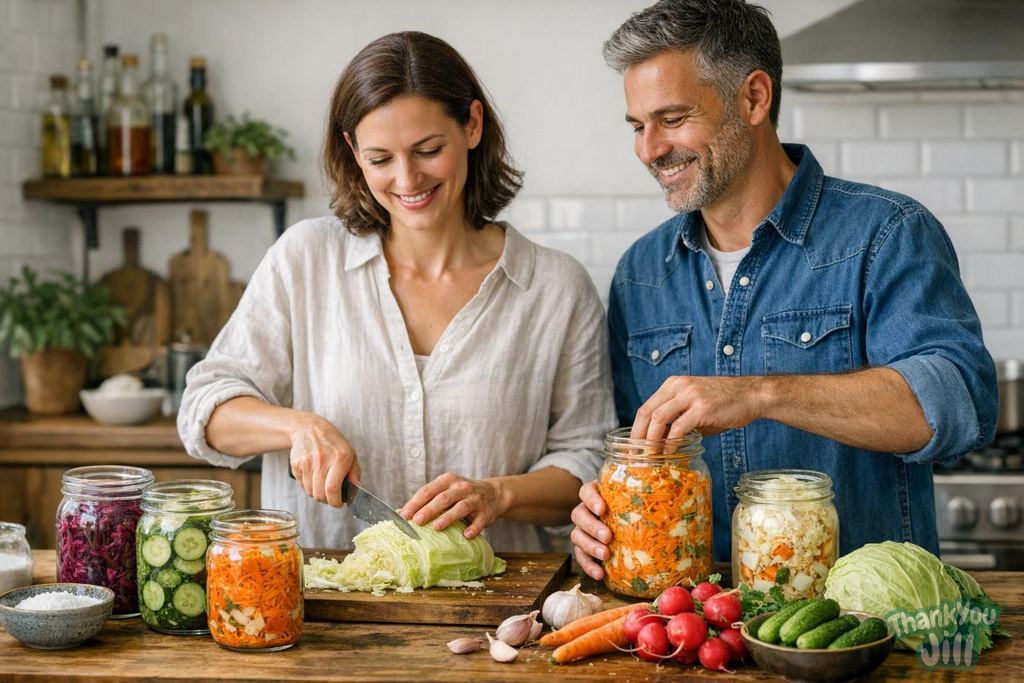
Drying: removes water, the main cause of spoilage. Sun-dried tomatoes, dried mushrooms, dried herbs: keep for months or years. Lactic fermentation: sauerkraut, kimchi, pickled vegetables. The acidic pH inhibits pathogenic bacteria growth. They keep for weeks in the fridge, months if pasteurized. Oil-preserved foods: mushrooms, chili peppers, eggplant. Require careful attention to safety (botulism risk if done incorrectly).

Storing food properly is cooking before you even cook. Every strawberry saved from spoilage, every spinach leaf that doesn't end up in the compost is already a gesture of respect for food, for the environment, and for your wallet.
The FIFO Rotation System: First In, First Out
Every time you shop, put new products behind what's already in your fridge or pantry. Use what's in front first. It's the system used by all professional restaurants: simple, free, and reduces waste by 30-40%. It requires no apps or investments—just the habit of putting new items behind old ones.
The Vegetable Drawer: A Weekly Check
Once a week, completely empty your fridge's vegetable drawer. Assess what needs to be used immediately (about to spoil), what's good for the next few days, and what you can freeze. Often forgotten items hide at the bottom of the drawer that could become a soup or soffritto in minutes. This check saves you money and reduces waste almost automatically.
Herbs: How to Make Them Last
Basil: not in the fridge (it blackens), not in cold water. In a glass of room-temperature water on your kitchen counter, away from drafts. It lasts 5-7 days this way. Parsley and cilantro: in a glass of water in the fridge with a plastic bag on top—they last 1-2 weeks. Rosemary, thyme, oregano: hang to dry and store dried for months.
Freeze in the Right Portions
When freezing vegetables, do it in portions you'll use (one soffritto portion, one soup portion). Don't freeze everything together—you only need to thaw what you use, not the entire block. Use labeled freezer bags or containers with contents and date. Memory fades: in three months you won't remember what you put in the freezer drawer.
Frequently Asked Questions
Which fruits and vegetables shouldn't be stored in the refrigerator and why?
Tomatoes, potatoes, onions, garlic, bananas, unripe avocados, cucumbers, and basil shouldn't be refrigerated because cold alters their flavor, texture, or ripening, causing faster deterioration or loss of quality.
How do you properly use the vegetable drawer in the refrigerator to extend freshness?
The vegetable drawer, with high humidity and temperature around 4-5°C, is ideal for leafy greens, broccoli, carrots, and cut peppers. Store vegetables in bags with holes or containers with paper towels to maintain optimal humidity and reduce deterioration.
When is it worth freezing fruit and vegetables, and what's the best technique?
It's worth freezing vegetables like spinach, green beans, and broccoli after quick blanching to stop the enzymes that cause deterioration. This method preserves nutrients, color, and texture, reducing waste and maintaining quality.
How does the FIFO rotation system work to reduce food waste?
The FIFO system (first in, first out) involves placing new products behind those already in your fridge or pantry, using the older ones first. This simple, free method reduces food waste by up to 40%.
Latest News




Comments
No comments yet. Be the first!
Leave a comment