


 Italiano
 Français
 Deutsch
 Español
 Português
 Svenska
 Suomi
Suomi
Calcium-Rich Waters
Allies or enemies of your bones?
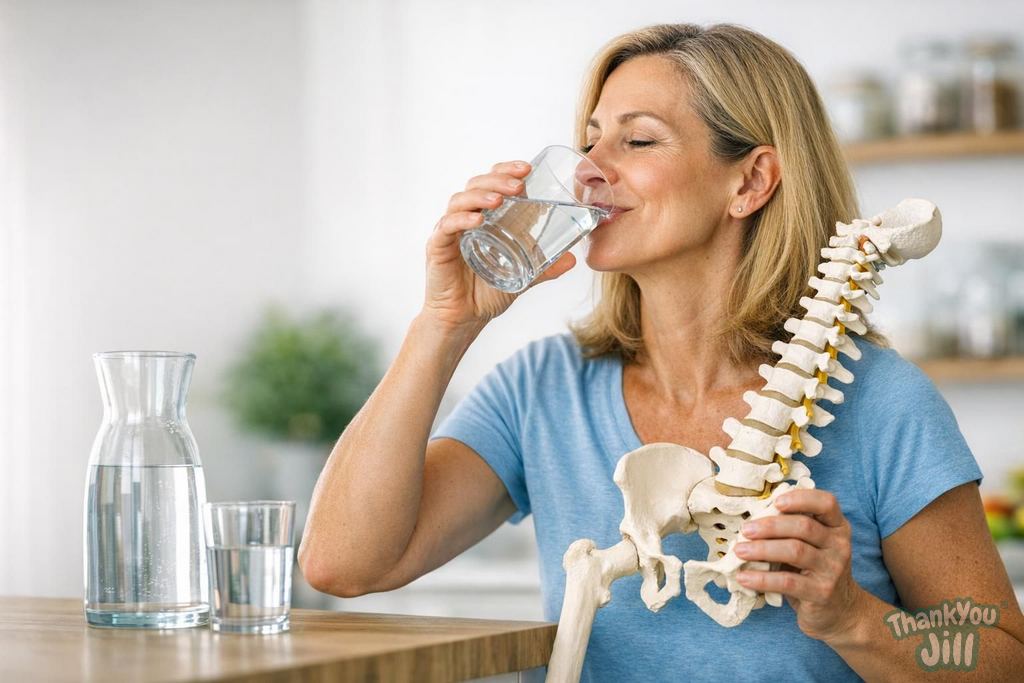
Calcium in water is one of those topics where myths and half-truths circulate freely. Some say it's good for your bones. Others claim it causes kidney stones. Still others insist it's useless because your body can't absorb it. What's true and what's false?
The science is clear: calcium in water is valuable for your health. But it needs to be chosen and used wisely, especially if you have specific needs. Understanding the facts will help you harness this mineral instead of fearing it.
How much calcium is in water
Mineral waters contain anywhere from less than 10 mg/l to over 500 mg/l of calcium. That's a huge difference. Water with 300 mg/l of calcium gives you 600 mg of calcium if you drink 2 liters. That's more than half your daily requirement.
The law considers water "calcium-rich" if it exceeds 150 mg/l of calcium. These waters can state on the label "may help provide calcium intake." It's not advertising—it's a scientifically recognized fact.
Calcium in water exists as dissolved ions, easily absorbed by your body. Contrary to what some believe, your body absorbs it very well. Some studies show that calcium absorption from water is comparable to that from milk.
Calcium is good for your bones
Calcium is the main building block of your bones. 99% of the calcium in your body is found in your skeleton. Without enough calcium, bones weaken, become fragile, and break easily. It's essential at every age.
In childhood and adolescence, calcium builds your skeleton. In adulthood, it maintains bone density. In old age, it slows the bone mass loss that causes osteoporosis. You can't do without it.
Calcium-rich water is a simple and natural way to supplement this mineral. If you don't eat dairy products (by choice or due to intolerance), calcium-rich water can provide a significant portion of the calcium you need.
The kidney stone myth
Many people think: "calcium in water = kidney stones." Wrong. Kidney stones are made of calcium, but they don't form because you drink calcium-rich water. In fact, it's often the opposite.
Stones form when calcium binds to other substances (oxalate, phosphate) in your urine. This happens when you're dehydrated, when your urine is too concentrated. Drinking plenty of water dilutes your urine and prevents stone formation.
Some studies have shown that a calcium-rich diet reduces the risk of stones, not increases it. Calcium binds to oxalate in the intestines and eliminates it through feces, preventing it from reaching your kidneys. Less oxalate in the kidneys = fewer stones.
If you've already had kidney stones, your doctor will tell you which water to drink. They usually recommend low-mineral waters with little calcium, not because of the calcium itself, but to keep your kidneys unloaded. But it's not true that calcium causes stones.
Who needs more calcium
Children and adolescents: they're building their skeleton. Calcium is essential. Calcium-rich water can provide important support, especially if they drink little milk.
Pregnant and nursing women: they need more calcium for the baby. If the calcium they eat isn't enough, their body draws it from their bones. Calcium-rich water protects the mother's bones.
Menopausal women: estrogen levels drop and bones lose calcium faster. Osteoporosis is a real risk. Supplementing calcium with water can slow this loss.
Elderly people: both men and women lose bone mass with age. Hip and vertebral fractures are common. Calcium, along with vitamin D and physical activity, protects bones.
Vegans and lactose-intolerant people: if they don't eat dairy, calcium can be lacking. Calcium-rich water is a precious and easy-to-use source every day.
How to read calcium on the label
On the label you'll find "Calcium" or "Ca++" followed by the number in mg/l. Look for waters with at least 150 mg/l if you want to supplement calcium. With 300 mg/l or more, you have an excellent source of this mineral.
Some waters also have magnesium alongside calcium. It's an excellent combination: magnesium helps calcium absorption and works synergistically for bone health.
Calcium alone isn't enough
Calcium needs vitamin D to be absorbed. If you don't have vitamin D (which you get from the sun and certain foods), the calcium you drink passes through without being absorbed. Spend 15 minutes in the sun daily—it helps absorption.
Calcium also needs vitamin K2 to go into your bones and not into your arteries. K2 is found in certain fermented foods and some cheeses. A varied diet ensures you have all these nutrients.
Too much salt and too much caffeine cause calcium loss through urine. If you drink calcium-rich water but eat salty food and drink 5 coffees a day, you're working against yourself. Balance is everything.
Calcium and heart: the truth
Some studies have suggested that too much calcium from supplements might increase cardiovascular risk. But this concerns high-dose calcium pills, not calcium from food or water.
Calcium from water and food is associated with heart benefits, not risks. Your body regulates it better because it arrives gradually throughout the day, not all at once like in a pill.
If you have doubts, prefer calcium from water and food over supplements. It's more natural, safer, and easier for your body to manage.

Calcium in water doesn't cause kidney stones. It prevents them. Dehydration causes stones. Drink more, not less.
Calculate your calcium needs
Adults need about 1000 mg of calcium daily. Menopausal women and elderly people need 1200 mg. Teenagers need up to 1300 mg. Count how much you get from food and supplement the rest with water.
A glass of milk (200 ml) has about 240 mg of calcium. Two yogurts have about 300 mg. If you eat dairy regularly, you're probably already covered. If you don't, water becomes important.
Choose the right water for you
If you're young and healthy with no issues: water with 100-200 mg/l of calcium is perfect for daily use. It gives you some calcium without overdoing it.
If you're pregnant, menopausal, or don't eat dairy: look for waters with 300-400 mg/l of calcium. Drink 1.5-2 liters daily and you'll have good supplementation.
If you've had kidney stones: only low-mineral waters with little calcium (under 50 mg/l) and only on medical advice. Your case is special.
Alternate your waters
You're not obligated to drink the same water all the time. You can have calcium-rich water with meals and lighter water for the rest of the day. This way you balance mineral intake without overdoing it.
Some people drink calcium-rich water only in winter when they get less sun (and produce less vitamin D). In summer they switch to lighter waters. It's an intelligent strategy.
Combine calcium with movement
Calcium settles better in bones if you're physically active. Walking, running, jumping: mechanical load on bones stimulates calcium absorption. Drinking calcium-rich water and staying on the couch isn't enough.
Even just 30 minutes of walking daily makes a difference. Bones need mechanical stimuli to stay strong. Calcium is the building material, but movement is the builder.
Watch out for sodium
If water is rich in calcium but also rich in sodium, it's not ideal. Sodium causes calcium loss through urine. Look for waters with high calcium and low sodium (under 20 mg/l). That's the best combination.
Check both values on the label. Sometimes medium-mineral waters have high calcium but also high sodium. That's not what you want for your bones.
If you take supplements
If your doctor prescribed calcium supplements, there's no need to also drink very calcium-rich water. You might overdo it. Ask your doctor how much total calcium you need to take and adjust accordingly.
In general, calcium from water and food is better than supplements. But if you have serious deficiencies, supplements are necessary. Don't replace them with water without talking to your doctor.
Monitor your bone health
After age 50 (especially for women), it's useful to have a bone density scan (DEXA) to check your bone status. If density is low, your doctor will recommend calcium, vitamin D, and possibly specific medications.
Don't wait to break a bone to discover you have osteoporosis. Prevention starts early: adequate calcium, vitamin D, physical activity, not smoking. Calcium-rich water is one piece of this prevention.
The takeaway message
Calcium in water is an ally, not an enemy. It doesn't cause stones. It helps your bones. It's easily absorbed. If you need more calcium, calcium-rich water is a simple and economical solution.
Choose waters with calcium above 150 mg/l if you want to supplement. Drink 1.5-2 liters daily. Combine with vitamin D, physical activity, and a balanced diet. Your bones will thank you.
Frequently asked questions
What's the difference between calcium in water and that in supplements in terms of absorption and safety?
Calcium in water is absorbed gradually and in ionic form, similar to that from milk, making it safer and more natural than high-dose supplements which can increase cardiovascular risks. Water provides a constant supply well-regulated by your body.
How do you know if a water is suitable for supplementing calcium in your diet?
Check the label and choose waters with at least 150 mg/l of calcium, preferably above 300 mg/l for greater needs like pregnancy or menopause. Also verify that sodium is low (under 20 mg/l) to prevent calcium loss through urine.
What happens if I drink calcium-rich water and I've had kidney stones?
Drinking calcium-rich water doesn't cause kidney stones; in fact, calcium helps prevent stone formation by binding to oxalate in the intestines. However, those who've had stones should follow medical advice and often prefer low-mineral waters with little calcium to avoid overloading the kidneys.
When is it worth drinking calcium-rich water for bone health?
It's worthwhile during all life stages with greater calcium needs: children, adolescents, pregnant or menopausal women, elderly people, and those who don't consume dairy. Drinking 1.5-2 liters daily of calcium-rich water helps maintain or increase bone density, especially when combined with vitamin D and physical activity.


Latest News




Comments
No comments yet. Be the first!
Leave a comment