


 Italiano
 Français
 Deutsch
 Español
 Português
 Svenska
 Suomi
Suomi
Green Smoothies
Balanced Recipes and Mistakes to Avoid
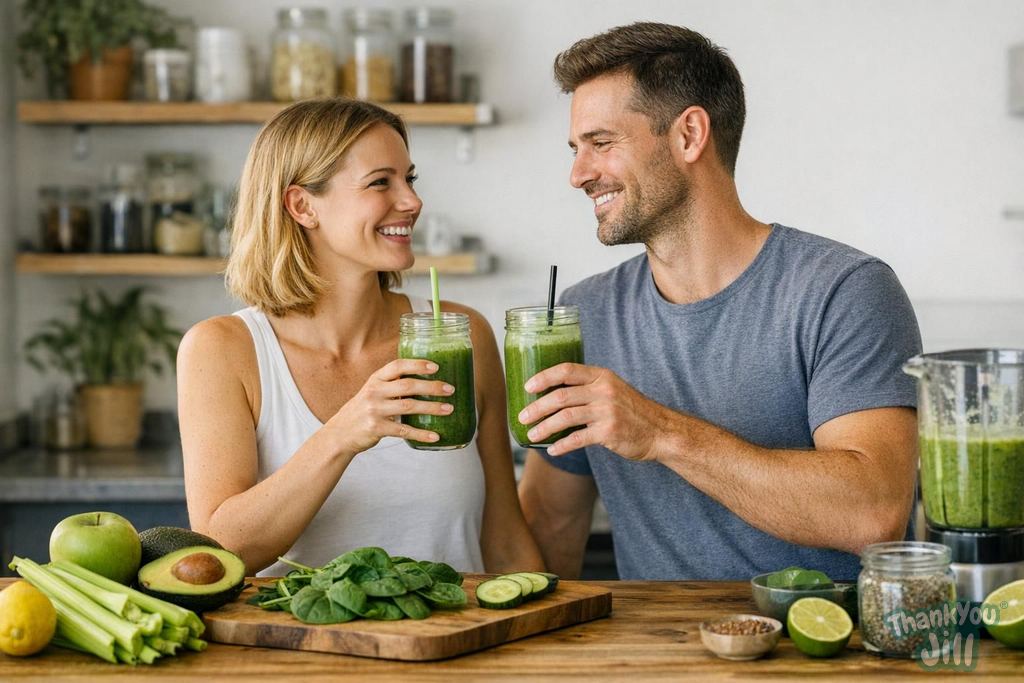
The green smoothie has become a symbol of healthy living. Instagram is full of emerald-colored glasses, and the idea of starting your day with a handful of blended spinach seems almost a heroic act of wellness. In most cases, the green smoothie really is an excellent choice. But there are common mistakes that transform a great nutritional idea into a sugar bomb or an unbalanced meal that leaves you hungry an hour later.
What Makes a Green Smoothie Truly Balanced
A balanced green smoothie must contain four components: leafy greens (the green base, low in calories and high in nutrients), fruit in moderate amounts (for flavor and energy), a protein source (for prolonged satiety), and a source of healthy fats (for absorption of fat-soluble vitamins and satiety).
Without protein: you can reach 400 calories of smoothie and be hungry 45 minutes later. The carbohydrates from fruit, even with fiber, don't maintain satiety the way protein does. Without fats: vitamins A, D, E, K present in leafy greens are poorly absorbed because they're fat-soluble—they require fats to be absorbed. A green smoothie without fat sources is a partially wasted nutritional opportunity.
The Best Greens for Green Smoothies
Baby spinach: the best starting point. Nearly neutral flavor in the smoothie, blends perfectly even with a regular blender. Rich in iron, folate, vitamin K, and C. A large handful (60-80g) is barely noticeable in the final taste.
Kale: much more nutrient-dense than spinach for vitamin K and C concentration, but with a more intense and slightly bitter flavor. Start with small amounts (30-40g) and increase gradually.
Swiss chard (leaves): delicate flavor, good doses of magnesium and potassium. Use the green leaves, not the red stems which would discolor the smoothie.
Cucumber: technically a vegetable, adds water, freshness, and volume with almost no calories. Perfect for summer smoothies.
Celery: hydrating, rich in antioxidants, fresh flavor. Use in moderate amounts (intense flavor).
The Most Common Mistakes
Too much fruit, too little greens: the ideal ratio is about 60% greens and 40% fruit. Many "green" smoothies are actually fruit smoothies with a bit of spinach. The result is high fructose content and elevated glycemic impact. Make sure greens are truly the main component.
High-GI fruit in generous amounts: whole banana + mango + pineapple = smoothie with 50-60g of sugar. Prefer berries, kiwi, green apple, pear as your sweetening base. Add banana only for texture, not as the main ingredient.
Fruit juice as the liquid base: some recipes use apple or orange juice as the liquid base. This doubles the sugar content without adding fiber. Use water, coconut water (in moderation), unsweetened plant-based milk, kefir, or skim milk.
Portions that are too large: a 600-700 ml smoothie with lots of fruit can easily exceed 500 kcal. If it's breakfast, that's fine if balanced. If it's a snack, it should be 300-350 ml maximum.
Three Balanced, Ready-to-Use Recipes
Morning protein green: 80g spinach + 1 green apple + 100g Greek yogurt + 1 tablespoon chia seeds + 200ml water + lemon juice. Protein, fiber, vitamin C, calcium, omega-3s: complete breakfast in 5 minutes.
Pre-workout energy green: 60g kale + 1 half-ripe banana + 1 tablespoon 100% almond butter + 200ml unsweetened oat milk + fresh ginger. Gradually-released carbs, healthy fats, potassium for muscles.
Evening detox green: 100g cucumber + 40g spinach + half a lemon (juice) + ginger + mint + 250ml fresh water. Hydrating, light, rich in antioxidants, perfect as an alternative to evening juice.

A well-made green smoothie is a missed dinner transformed into the perfect breakfast. With the right proportions, it's the most nutrient-dense food you can prepare in five minutes. With the wrong proportions, it's a sugary drink with some leaves.
The Quick Formula for Always-Balanced Smoothies
Keep this formula in mind: one large handful of leafy greens + one small fruit or half a large fruit + a protein source (Greek yogurt, kefir, milk) + something fatty (chia seeds, flax seeds, almonds, avocado) + water-based liquid. With this formula, any combination you make will be nutritionally balanced. No need for elaborate recipes: the formula is the recipe.
Prepare Freezer Packs
The evening before, prepare single portions in freezer bags: 80g spinach + chopped fruit + seeds. Freeze. In the morning: toss the frozen pack in the blender, add liquid and protein source, blend. Thirty seconds of prep. Frozen packs last for weeks and make green smoothies a sustainable habit even on the most chaotic mornings.
How to Add More Greens Without Tasting Them
If the taste of greens is still too intense for you: start with 30g spinach (almost imperceptible) and increase by 10g each week. Use sweeter fruit in the first few weeks to mask the green. Add a couple of dried dates (no more than two) for extra sweetness. Use vanilla powder or cinnamon: they change the perception of bitter flavor. In six to eight weeks of gradual progression, you'll reach smoothies with 100-120g of greens without effort.
The Blender Makes a Difference
A powerful blender (at least 700W, preferably 1000W+) blends leaves completely smoothly, without chunks. Budget blenders leave stringy bits, especially with kale, making the texture unpleasant. If you want a sustainable habit, investing in a good blender pays for itself in a few months.
Frequently Asked Questions
What is the ideal ratio of greens to fruit in a balanced green smoothie?
The ideal ratio is about 60% leafy greens and 40% fruit. This balance avoids excess sugar and maintains controlled glycemic impact, ensuring a nutritionally balanced and satisfying smoothie.
Why is it important to add protein and healthy fats to green smoothies?
Protein prolongs satiety and prevents early hunger, while healthy fats facilitate the absorption of fat-soluble vitamins (A, D, E, K) present in leafy greens, improving the overall nutritional value of the smoothie.
What are the best leafy greens to use in green smoothies and how should you dose them?
Baby spinach is ideal for neutral flavor and nutrients like iron and vitamin K (60-80g). Kale is more nutrient-dense but bitter, so it's recommended to start with 30-40g. Swiss chard, cucumber, and celery are also excellent for variety and freshness.
How do you prepare and store green smoothie portions to save time?
Prepare single portions with greens, fruit, and seeds in freezer bags the evening before. In the morning, simply blend the frozen pack with liquid and protein. Packs last for weeks and make preparation fast and sustainable.


Latest News




Comments
No comments yet. Be the first!
Leave a comment