


 Italiano
 Français
 Deutsch
 Español
 Português
 Svenska
 Suomi
Suomi
Dormancy
How Plants Survive Winters and Droughts
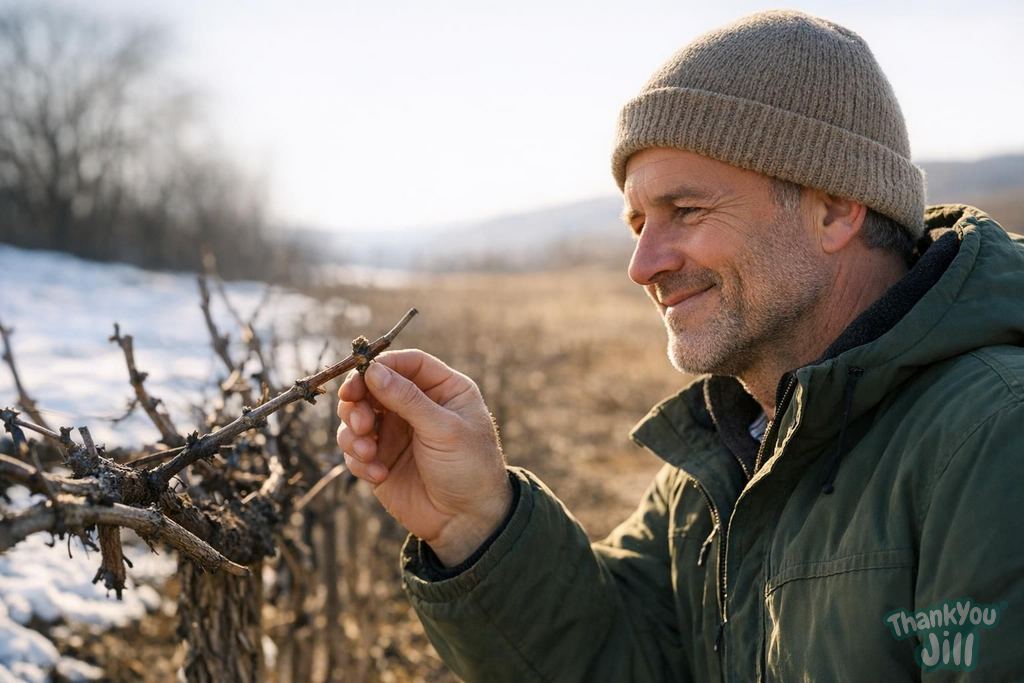
Dormancy (from the Latin dormire) is a physiological state of reduced metabolic activity that allows organisms to survive unfavorable environmental conditions (cold, drought, darkness). In plants, dormancy manifests at different levels of organization: seed dormancy (the most studied and most widespread form), bud dormancy (winter quiescence of trees), dormancy of underground organs (bulbs, rhizomes, tubers, corms), dormancy of entire plants (resurrection of anhydrobiotic plants). Each type of dormancy has specific molecular mechanisms but shares a common theme: the programmed suspension of active metabolism while waiting for the environmental signal indicating that favorable conditions have returned.
Seed dormancy: waiting for the right moment
Seed dormancy is one of the most fascinating biological phenomena: a dormant seed is a living organism in a state of near-zero metabolism, capable of surviving for years, decades, or in some cases centuries, waiting for optimal conditions to germinate. The adaptive function: germinating too early (before the last frosts, during temporary drought, in insufficient light conditions) would lead to seedling death. Dormancy is the mechanism that ensures germination occurs only in optimal environmental conditions. Types of seed dormancy: physical dormancy (tegumental): the seed coat (the shell) is impermeable to water, preventing the imbibition necessary for germination. Papilionaceous plants (legumes: acacia, lupine, clover) and many savanna plants have this form of dormancy. It breaks through mechanical abrasion (scarification: treatment with sandpaper, weak acids, or passage through the digestive tract of animals). Physiological dormancy: the seed is impermeable to water but the embryo requires a series of hormonal signals (germination hormones: gibberellins; dormancy hormones: ABA) to unlock. Germination is inhibited by ABA (abscisic acid: produced by the endosperm of dormant seeds) and activated by gibberellins (produced when conditions are favorable). Cold stratification (vernalization): many seeds of temperate plants (apples, cherries, oaks, beeches) require a prolonged cold period (0-5°C for 4-12 weeks: winter temperatures) to exit dormancy. This ensures germination occurs in spring, not in autumn after dispersal. Dormancy records: sacred lotus seeds (Nelumbo nucifera) recovered from dried lake beds in Manchuria: germinated in the laboratory after 1,200 years of dormancy (C14 estimate). Arctic lupine seeds (Lupinus arcticus) recovered from lemming burrows in the Yukon permafrost: germinated after 10,000 years of dormancy. Date seeds (Phoenix dactylifera) recovered from Masada (Israel): germinated after 2,000 years and grew into mature trees (Methuselah project, 2005). The Svalbard seed bank: the Svalbard Global Seed Vault (Svalbard Islands, Norway) preserves seeds of over 1.3 million varieties of food crops in conditions of artificial dormancy (temperature -18°C, inside permafrost mountains). An insurance policy for global agricultural biodiversity against catastrophes, conflicts, or climate change. The vault was used for the first time in 2015, when the Aleppo Seed Center (Syria) was destroyed by civil war.
Winter quiescence of trees: bud dormancy
Trees in temperate zones enter a period of quiescence (bud dormancy) every autumn that allows them to survive the winter cold that would destroy actively growing tissues. The process of entering dormancy: environmental signals (reduction of photoperiod in autumn + lowering of nighttime temperatures) are detected by leaves → production of ABA (abscisic acid: dormancy hormone) → ABA accumulates in buds → buds enter dormancy. Dormant buds are protected by sclerenchymal scales (bud scales: leathery, often resinous, impermeable) that isolate them thermally and hydraulically. Winter chilling (stratification): winter dormancy requires a period of sustained cold (the so-called chilling hours: hours with temperature between 0 and 7°C) to be completed. Without a sufficient number of cold hours, buds cannot awaken normally in spring (a phenomenon increasingly problematic with climate warming: mild winters do not provide enough chilling hours for some fruit tree varieties). Breaking dormancy in spring: when the number of chilling hours has been accumulated, the increase in spring temperatures and lengthening of the photoperiod activate the production of gibberellins (growth hormones) → bud scales open → growth begins. The correlation between dormancy-breaking temperature and risk of late frost: plants that awaken early in spring (driven by mild winters) risk being damaged by late frosts in March-April. A growing problem with climate change: Italian peaches, apricots, and cherries are increasingly damaged by late frost because they flower early in years with unusually mild winters.
Resurrection plants: anhydrobiotic dormancy
"Resurrection plants" are plants capable of surviving near-total dehydration (water content reduced to less than 5% of dry weight: lethal conditions for most organisms) and then rehydrating and resuming normal physiology. Examples: Selaginella lepidophylla (Mexican resurrection plant): a clubmoss of the Mexican desert that curls up into a dry, brown ball under drought conditions, appearing dead. With water, it unfurls and turns green in 3-24 hours. Myrothamnus flabellifolius (South African resurrection plant): a desert shrub that loses 95% of its body water in the dry season, then completely rehydrates with rains. Craterostigma plantagineum: a small African herbaceous plant intensively studied for the molecular biology of drought tolerance. Sporobolus stapfianus: an African resurrection grass. Boea hygrometrica: a Chinese resurrection plant. The molecular mechanism: these plants produce special protective compounds during dehydration: LEA proteins (Late Embryogenesis Abundant: proteins that wrap and protect cellular macromolecules during dehydration), trehalose (a sugar that replaces water in molecular structures and prevents aggregation of denatured proteins), highly regulated aquaporins (to control water flow during rehydration), DNA repair mechanisms (dehydration causes DNA breaks: resurrection plants have very efficient repair systems). The potential of resurrection plants: transferring drought tolerance genes from resurrection plants to agricultural crops is one of the most ambitious goals of plant biotechnology for climate change resilience.

A lotus seed germinating after 1,200 years in the dried bed of a Chinese lake. A pear tree waiting silently through the months of cold necessary to unlock its spring buds. A resurrection plant curling up on itself in aridity and unfurling into green at the first rain. Dormancy is the most absolute form of biological patience: waiting for the right moment, wasting nothing, for centuries if necessary.
Dormancy of bulbs and underground organs
Bulbs, rhizomes, tubers, and corms are underground storage organs that allow plants to survive the unfavorable season (cold winter, dry summer) by keeping only the underground organ alive while the aerial part dies or is shed. Bulbs (onion, tulip, daffodil, hyacinth, garlic): organs composed of fleshy overlapping leaves (tunics) around a basal disk (the basal plate) with axillary buds that will form new stems in the next season. The outer tunics are dead and papery (mechanical protection); the inner tunics are fleshy and rich in starch (energy reserves). The bulb survives winter in the soil, then produces a new flowering stem in spring. Corms (crocus, gladiolus, colchicum): similar to bulbs but solid (they don't have overlapping fleshy leaves). The entire mass is storage tissue (starchy parenchyma). Rhizomes (iris, ginger, bamboo, mint, ferns): horizontal underground stems with nodes and internodes. They survive winter underground and produce new aerial stems every spring from the nodes. Tubers (potato, Jerusalem artichoke): enormously enlarged and starch-rich stems or roots. Chicory, endive, carrot, turnip, beet: biennial storage roots (the first year they accumulate reserves; the second year they use them to produce flowers and seeds). Dormancy of underground organs in Italy: the great Italian horticultural tradition includes many vegetables with underground organs: onions, garlic, potatoes, Jerusalem artichokes, iris tubers (for the production of orris root, used in perfumery and liqueur production in Florence). Managing dormancy is fundamental for post-harvest storage: too much heat or too much humidity interrupt dormancy prematurely, producing unwanted sprouting (potatoes sprouting in the cellar, garlic hollowing out).
How dormancy responds to climate change
Climate change is profoundly altering the environmental signals (temperature, photoperiod, precipitation) that control entry into and exit from dormancy, with important consequences for ecosystems and agriculture. Advance of spring phenology: increasing winter and spring temperatures are advancing the breaking of spring dormancy in many species. In Europe, tree flowering has advanced by 2-3 weeks compared to 1970 (source: IPCC). The problem: the advance in flowering is not always followed by an advance in the last frosts → increased damage from late frost on flowers and young leaves. Reduction in chilling hours: increasingly mild winters in much of central and southern Italy are reducing the available chilling hours for tree species that require them (peaches, apricots, cherries, some apple varieties). With less winter cold, buds don't awaken normally in spring → reduced production. Agronomic solution: selection of low-chill varieties suited to new climates (climate breeding). The seeds in the Svalbard bank are becoming more valuable: as traditional varieties become no longer suited to new climates, ancient varieties preserved in seed vaults might contain genetic dormancy characteristics suited to new conditions. Seed vaulting is becoming insurance not only against immediate catastrophes but against gradual climate change.
Frequently Asked Questions
What is the difference between physical dormancy and physiological dormancy in seeds?
Physical dormancy is caused by an impermeable seed coat that prevents water absorption, while physiological dormancy depends on internal hormonal signals, such as ABA inhibition and gibberellin activation, that regulate germination only under favorable conditions.
How does climate change affect bud dormancy in trees?
Winter warming reduces the hours of cold needed (chilling hours) to break dormancy, causing early bud awakening and increasing the risk of late frost damage, resulting in reduced agricultural production.
When is it advisable to use scarification to break seed dormancy?
Scarification is useful for seeds with physical dormancy, such as those of many legumes, where the impermeable seed coat must be damaged mechanically or chemically to allow imbibition and germination.
How do resurrection plants survive long periods of drought?
Resurrection plants drastically reduce their water content, protect cells with LEA proteins and sugars like trehalose, and activate DNA repair mechanisms, allowing them to resume growth rapidly when water returns.


Latest News



Comments
No comments yet. Be the first!
Leave a comment