


 Italiano
 Français
 Deutsch
 Español
 Português
 Svenska
 Suomi
Suomi
Strategic Sacrifice
Losing parts to save the whole

"Strategic sacrifice" in plants is the physiologically programmed process of separation and loss of plant parts: leaves (foliar abscission), flowers, immature fruits, branches (cladoptosis), roots, or bark. These losses aren't accidental damage—they're adaptive responses regulated by specific plant hormones, particularly ethylene, abscisic acid (ABA), and auxin/ethylene ratios. The ability to sacrifice the part to save the whole is one of the most effective survival strategies in the plant kingdom.
Foliar abscission: the autumn sacrifice
Foliar abscission in deciduous trees (the fall of leaves in autumn) is the most visible and most studied programmed sacrifice in plants. The cost-benefit of foliar abscission: leaves are expensive organs to maintain in winter (without sufficient light for photosynthesis, their upkeep would cost more energy than they produce) and vulnerable (freezing would damage water-filled leaf tissues). By sacrificing leaves in autumn and shutting down metabolic processes for winter, the plant conserves water (transpiration ceases) and protects buds (already formed for the next season) with leathery, waterproof scales. The molecular mechanism: the reduction in photoperiod in autumn (longer nights) is detected by phytochromes in the leaves → inhibition of auxin production → drop in the auxin/ethylene ratio → activation of cells in the abscission layer (a zone of specialized cells at the base of the leaf petiole). In the abscission layer: cells produce enzymes (cellulase, pectinase) that degrade the middle lamella (which holds cells together) → the vascular and mechanical connection between the petiole and stem is interrupted → the leaf falls. Before shedding: nutrient recovery from leaves (chlorophyll degraded → magnesium and nitrogen atoms are recovered and stored; leaf proteins are broken down and their amino acids translocated to the stem and roots). Yellow pigments (xanthophylls, carotenoids: always present but hidden by chlorophyll) become visible. Red pigments (anthocyanins) are synthesized anew in autumn: protective function during nutrient recovery, a signal to parasitic insects that the tree is losing leaves early (reducing interest in laying eggs). Autumn color as communication: research by Archetti and Brown (2004, Proceedings of the Royal Society) proposed that the red-orange colors of autumn foliage are an honest signal from the plant to parasitic insects (aphids): "I'm losing my leaves early, it's not worth laying eggs here." Plants with more vivid autumn foliage tend to have fewer infestations of aphids that overwinter on leaves.
The sacrifice of immature fruits: spontaneous thinning
Many plants initially produce more flowers and immature fruits than they will bring to maturity. Over the course of the season, they spontaneously abscise a significant percentage of immature fruits (natural thinning). The function: the plant evaluates available resources (light, water, nutrients, photosynthetic capacity) and sacrifices excess fruits to ensure that remaining fruits mature completely with viable seeds. An abscised immature fruit doesn't waste the resources it would have consumed until maturity. The mechanism: immature fruits produce auxin that inhibits abscission (they stay on the branch). Fruits competing for the same resources on the same branch send hormonal competition signals → the "losing" fruit in the competition reduces its own auxin production → the ethylene/auxin ratio increases at the abscission layer of the petiole → abscission. The "June drop" of citrus: in June, citrus fruits (oranges, lemons, clementines) spontaneously abscise a large quantity of immature fruits (June drop: can be 50-80% of initiated fruits). Fruit growers unfamiliar with the phenomenon become alarmed, but it's a normal physiological process. Artificial thinning techniques in fruit cultivation (apple thinning, peach thinning) mimic this natural process: fruit growers manually remove (or use products based on auxin, ABA, or ethylene) excess fruits to increase the size and quality of remaining ones. The evolutionary logic: one large fruit with viable seeds attracts seed dispersers better than many small fruits with scarce seeds.
Cladoptosis: the programmed abandonment of branches
Cladoptosis (from Greek klados: branch, ptosis: fall) is the programmed loss of entire branches by some plants. Different from mechanical pruning by wind or herbivores: it's a physiologically regulated process with an abscission layer at the base of the branch. Why sacrifice an entire branch: elimination of infected branches (some plants eliminate a branch infected by fungi or bacteria by trapping the infection in the sacrificed branch and cutting the vascular connection with the healthy trunk), energy optimization (branches in unfavorable positions, with poor light access, are abscised to free up resources), response to severe drought (some arid plants abscise entire branches to reduce transpiration and water demand). The sycamore and cladoptosis: the American sycamore (Platanus occidentalis) and some species of willow and poplar are particularly known for cladoptosis. In hot, dry climates, they abscise secondary branches, reducing total transpiring surface area and conserving water for main branches. The plant literally loses branches like a lizard loses its tail: intentionally, to survive.

A plant that sheds its leaves in autumn, that sacrifices 70% of its immature fruits to mature 30 perfect ones, that abandons an infected branch to protect the trunk: it's not defeated, it's strategy. The programmed sacrifice of the part for the whole is one of the most elegant evolutionary insights in the plant world. Autumn leaves that turn red while recovering their last nutrients before falling are among the most beautiful phenomena in biology.
Response to herbivore damage: plant autotomy
When a herbivore attacks a plant, the plant can respond not only with chemical defenses but also with a localized "strategic sacrifice": abscising the attacked part before the herbivore consumes more resources or before infection spreads. Damage-induced abscission: studies on bean and tomato plants show that herbivore damage significantly accelerates abscission of the damaged leaf (compared to intact leaves on the same plant). The mechanism: damage activates ethylene production (a hormone that promotes abscission) and reduces auxin flow from the damaged leaf (auxin inhibits abscission). The net result: the severely damaged leaf is sacrificed ahead of schedule. The logic of autotomy: it's more costly to repair a severely damaged (and partially eaten) leaf than to sacrifice it and invest in expansion of a new leaf from an axillary bud (which was already waiting). Sacrificing the damaged leaf can also trap the herbivore (if small: a larva attached to a falling leaf finds itself in a highly vulnerable situation). Restructuring after loss: after loss of leaves from induced abscission or damage from hail, wind, fire, or herbivores, plants activate growth of dormant axillary buds to rapidly replace lost photosynthetic capacity. This "compensatory growth" process is often faster than normal growth: the plant invests more resources in replacing the lost part than in growing new organs under normal conditions.
Pruning as human-guided sacrifice: physiological principles
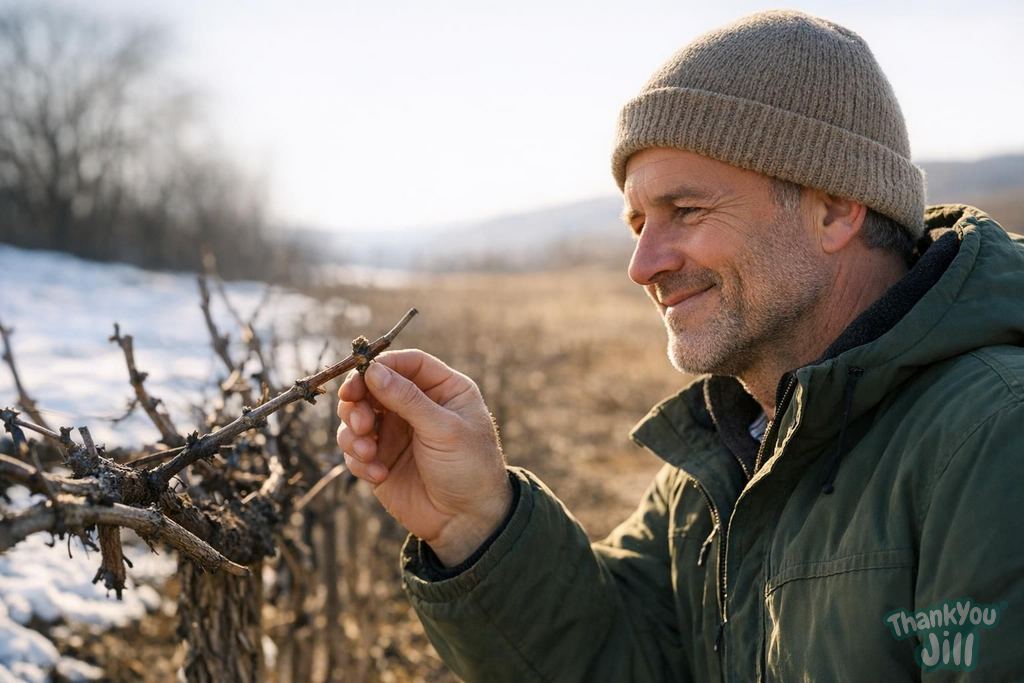
Pruning of fruit trees and ornamental trees is a practical application of understanding strategic sacrifice in plants. The physiological principles of pruning: apical dominance: apical shoots produce auxin that inhibits growth of lateral shoots. By cutting the apex (heading), you remove the source of auxin → lateral shoots develop → the plant branches. Crown-root balance: the crown produces auxin and sugars for the roots; the roots produce cytokinins and water for the crown. Severe pruning reduces the crown → less auxin and sugars for the roots → the root/crown ratio changes temporarily. The plant responds by activating new shoots from the crown to restore balance. Callusing and abscission layers: pruning cuts heal from the periphery toward the center through formation of woody callus. Correct cuts (45° angle, near the node, without touching the branch collar: the swelling at the base of the branch) stimulate faster and more uniform callus formation. Pruning season: in winter (dormancy), trees have fewer nutrient reserves in branches (they've been mobilized to the roots): winter cuts lose fewer resources and heal well when spring growth resumes. Summer pruning (on green wood) reduces plant vigor and is used to check excessive growth.
Frequently Asked Questions
What is the role of plant hormones in strategic sacrifice in plants?
Hormones like ethylene, abscisic acid (ABA), and the auxin/ethylene ratio regulate programmed abscission of leaves, fruits, branches, and roots, allowing the plant to sacrifice parts to conserve resources and survive environmental stress.
How does the process of foliar abscission work in autumn and why is it advantageous for the plant?
In autumn, the reduction in photoperiod inhibits auxin production, increasing ethylene and activating enzymes that separate the leaf from the branch. This reduces water loss and protects buds, saving energy during winter.
When is it worthwhile for plants to sacrifice immature fruits and how does this process occur?
Plants sacrifice immature fruits when resources are limited, to ensure optimal maturation of remaining ones. The fruit producing less auxin increases local ethylene, activating abscission and reducing competition for nutrients.
How does pruning exploit the physiological principles of strategic sacrifice to promote plant growth?
Pruning removes the apex that produces auxin, freeing lateral shoots from apical dominance. Additionally, it balances the crown and roots, stimulating formation of new shoots and callusing, optimizing plant growth and health.

Latest News




Comments
No comments yet. Be the first!
Leave a comment