


 Italiano
 Français
 Deutsch
 Español
 Português
 Svenska
 Suomi
Suomi
Organic Certifications
How to Recognize Truly Organic Products
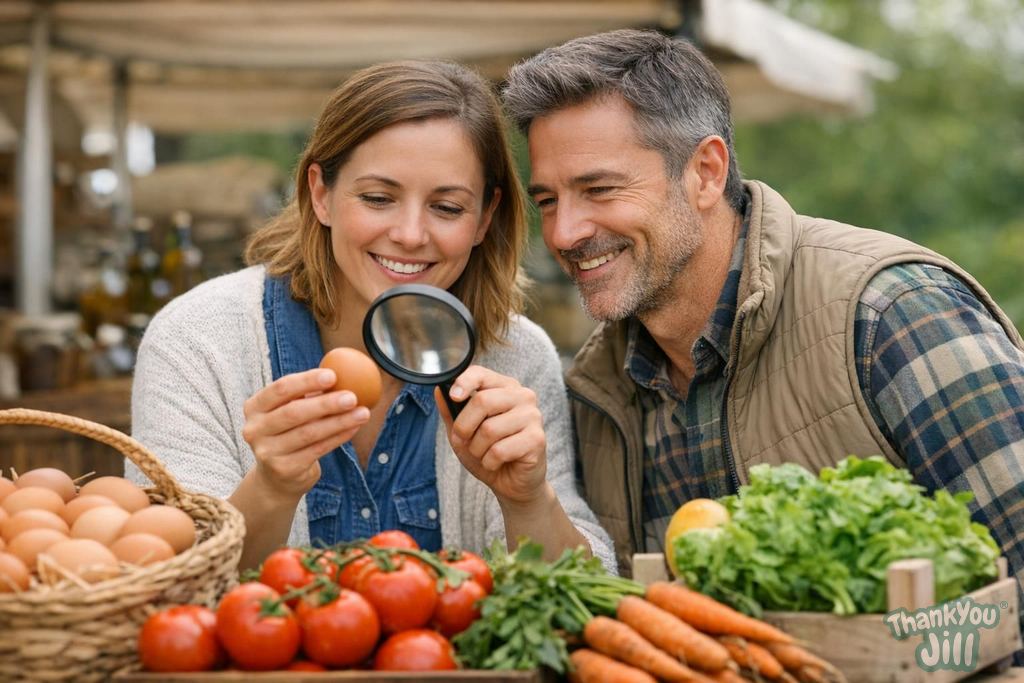
The organic market is worth billions of euros. Consumers typically pay 20-40% more than conventional products, believing they're choosing something healthier, safer, and more environmentally friendly. But there's a catch: not everything using the words "natural," "eco," "green," or "bio" is actually certified organic. Without certification, those words guarantee nothing.
What "Organic" Really Means Legally
In Europe, the term "organic" (and its equivalents: "bio," "organico," "écologique") is protected by EU Regulation 834/2007 and the more recent EU Regulation 2018/848, which came into force in January 2022. Only products that comply with these regulations and are certified by a recognized body can use these terms on their labels.
Organic production bans synthetic pesticides, synthetic chemical fertilizers, genetically modified organisms (GMOs), ionizing radiation treatments, growth hormones, and preventive antibiotics in animals. Instead, it promotes natural soil fertility, biodiversity, animal welfare, and natural cycles.
The European Organic Logo: How to Recognize It
The official mark of European organic agriculture is the "Eurofoglia": a stylized image of twelve stars from the European flag arranged to form a leaf on a green background. It's been mandatory on all pre-packaged organic products produced or sold in the European Union since 2012.
Next to the logo, the certifier's number (example: IT-BIO-007) and the origin of agricultural ingredients (EU agriculture, non-EU, or both) must always be listed. The presence of this logo and these details is the minimum guarantee you can rely on.
Certification Bodies in Italy
In Italy, the main organic control and certification bodies authorized by the Ministry of Agriculture are numerous: CCPB, ICEA, Bioagricert, Suolo e Salute, QC&I, IMC, and others. Each body has an identification code that appears on the label. You can verify a certifier's legitimacy on the Ministry of Agriculture website (updated list of authorized bodies).
These bodies conduct regular inspections (at least one per year) and chemical analyses on products and soil. Companies that fail inspections lose their certification.
Beware of Greenwashing: Words That Guarantee Nothing
Words like "natural," "eco," "green," "local," "traditional," "additive-free," "zero-kilometer" have no binding legal value. They're not protected like the term "organic." Any company can use them freely without external oversight.
They don't equal organic. A product can be "natural" (minimally processed) but grown with pesticides. It can be "local" but cultivated with intensive chemical fertilizers. You might pay a premium price for something without the guarantees you're looking for.
Conventional Organic vs. Biodynamic Organic
Beyond standard European organic, there's biodynamic certification (Demeter mark), which adds further requirements: the farm must be treated as a self-sufficient living organism, with crop rotation, integrated livestock, and specific natural-origin preparations. It's considered more restrictive than standard organic.
Organic Doesn't Mean Zero Pesticides
This surprises many people. Organic production bans synthetic pesticides but allows certain natural substances with plant protection functions (like copper, sulfur, pyrethrin). These substances, though natural, aren't completely risk-free if present in excess.
The real difference from conventional is that organic uses much less and only resorts to these substances as a last resort, after exhausting preventive and biological methods.
How to Verify an Organic Product Online
If you want to verify whether a company is truly certified: the Italian Ministry of Agriculture publishes online a list of controlled organic operators (SINAB - National Information System on Organic Agriculture). You can search for the company or producer name and find their certification status.

Paying organic prices makes sense only if you're buying genuine organic. Learn to read the Eurofoglia and the certifier code: these are the only guarantees that truly matter.
The Three Elements That Make a Product Truly Organic
When you pick up a product at the supermarket and want to know if it's truly certified organic, look for: first, the green Eurofoglia logo with European stars. Second, the certifier's code (example: IT-BIO-XXX). Third, the statement "from organic agriculture." All three must be present. If any of these elements is missing, the product isn't certified organic, regardless of what the rest of the label says.
Build Your Smart Organic Shopping List
You don't need to buy everything organic to make a conscious choice. Start with foods you eat most frequently and in larger quantities: fruits and vegetables (especially those you eat with the skin), breakfast cereals, milk and dairy, eggs. For these categories, organic has the greatest impact on your actual exposure to pesticide residues.
Where to Buy Organic With the Best Guarantees
Certified farmers' markets (look for those with certified organic farmers, not just "natural" ones), CSA groups (Community Supported Agriculture) that often have direct relationships with certified producers, natural food stores with rigorous selection policies, and large supermarkets that apply European standards. Buying directly from the producer, after verifying their certification, is the ultimate guarantee.
Report Greenwashing
If you find a product using the words "bio" or "organic" without the logo and certifier code, it's a violation of European regulations. You can report it to the competent certification body for your region or to the NAS (Carabinieri Food Fraud and Health Unit). Consumer reports really do make a difference.
Frequently Asked Questions
What are the three essential elements to recognize a certified organic product in Europe?
To recognize a certified organic product in Europe, you must find the green Eurofoglia logo with European stars, the certifier's code (example: IT-BIO-XXX), and the statement "from organic agriculture." All three must be present on the label.
How can you tell if a product labeled "natural" or "eco" is truly organic?
The words "natural," "eco," or "green" are not legally protected and don't guarantee organic certification. Only the presence of the Eurofoglia logo and certifier code confirm that the product meets European organic regulations.
What's the difference between standard organic and biodynamic organic?
Biodynamic organic, certified by the Demeter mark, requires more restrictive practices than standard organic, treating the farm as a self-sufficient living organism with crop rotation, integrated livestock, and specific natural preparations.
When is it worth buying organic products to reduce pesticide exposure?
It's worth choosing organic especially for foods consumed frequently and with skin, like fruits, vegetables, breakfast cereals, milk and dairy products, and eggs, because in these categories organic significantly reduces exposure to pesticide residues.
Latest News




Comments
No comments yet. Be the first!
Leave a comment