


 Italiano
 Français
 Deutsch
 Español
 Português
 Svenska
 Suomi
Suomi
DOP, IGP, STG Marks
Differences and Guarantees
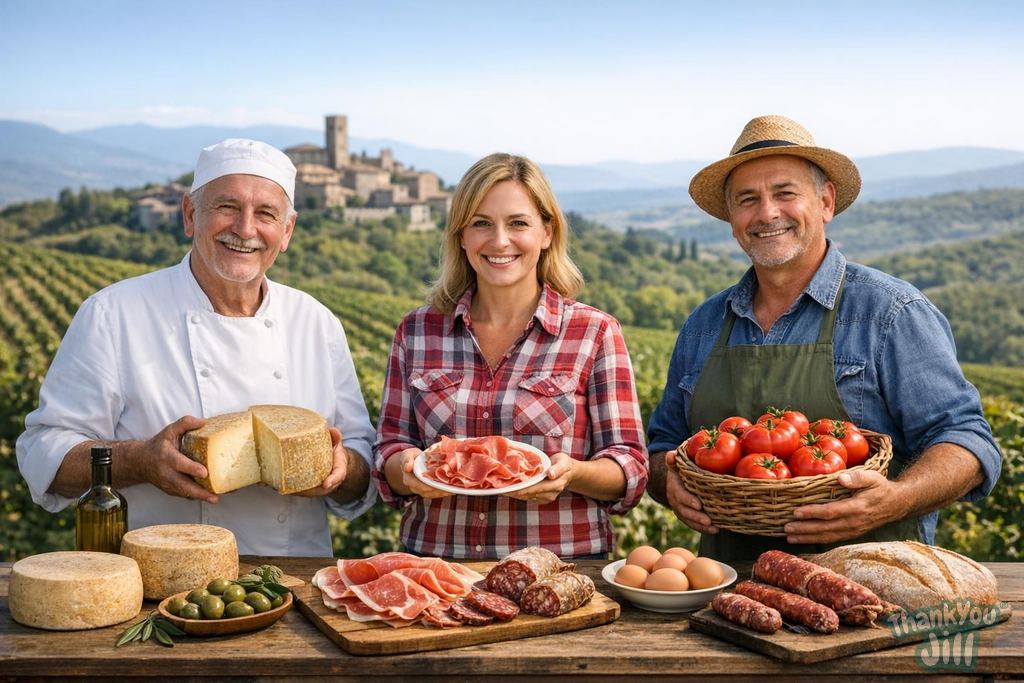
Italy is the European country with the highest number of protected designation of origin products in the world. Parmigiano Reggiano DOP, Prosciutto di Parma DOP, Mozzarella di Bufala Campana DOP, Aceto Balsamico di Modena IGP: these are names that evoke tradition, territory, and quality. But what do these acronyms really mean? And most importantly, what do they guarantee to the consumer?
DOP: Protected Designation of Origin
DOP is the most restrictive certification among the three. To obtain the DOP mark, all phases of production—from raw materials to processing through packaging—must take place in a specific, defined geographical area. The product's characteristics must be essentially or exclusively linked to the geographical environment of that zone, including natural factors (soil, climate, biodiversity) and human factors (traditions, knowledge).
Parmigiano Reggiano, for example, can only be produced in a precise zone between Parma, Reggio Emilia, Modena, Bologna, and Mantua. The milk must come from cows raised in the same area, fed with local forage. The wheel must mature for at least 12 months. Every phase is monitored by a consortium and independent bodies.
IGP: Protected Geographical Indication
IGP is less restrictive than DOP. At least one phase of production (cultivation, breeding, processing, or elaboration) must take place in the specified geographical area. It is not necessary for all phases to occur in the same area.
Aceto Balsamico di Modena IGP, for example, requires that aging take place in Modena or Reggio Emilia, but the raw materials (grape musts) can come from outside the area. This distinguishes it from Aceto Balsamico Tradizionale di Modena DOP, which is much more restrictive.
IGP primarily certifies the link to the territory in at least one significant phase of production, and the reputation or characteristics attributable to that geographical origin.
STG: Traditional Speciality Guaranteed
STG is different from the other two: it does not protect a geographical origin, but a traditional recipe. It guarantees that the product is made according to a specific traditional method, regardless of where it is produced.
Mozzarella STG, for example, can be produced anywhere in Europe, but must follow the traditional Italian recipe (stretched-curd processing, specific ingredients). It should not be confused with Mozzarella di Bufala Campana DOP, which instead has a precise and binding geographical origin.
What These Marks Really Guarantee
DOP, IGP, and STG marks guarantee: verified geographical origin (DOP and IGP), compliance with a production specification approved by the European Commission, inspections by independent certification bodies, legal protection of the name throughout the EU (no one else can use that name for similar products).
They do not necessarily guarantee: organic production (DOP and IGP can be produced using conventional methods, including pesticides), fair prices to producers, environmental sustainability (unless the specification states otherwise).
How to Recognize Certified Products
Every DOP product has the red-yellow logo with European stars and the DOP or PDO (Protected Designation of Origin) designation. IGP has the blue-yellow logo with the IGP or PGI designation. STG has the logo with the STG or TSG designation. These logos must be visible on the label. The presence of the producer code in the European DOOR register (Database of Origin and Registration) allows you to verify any certified product online.
The False Problem of Imitations
Without DOP or IGP protection, geographical names can be used deceptively. "Parmesan" sold in America, "Prosciutto di Parma style" sold in Canada: these are products that use evocative names without any of the guarantees of the original product. In Europe this is prohibited: community marks protect consumers from these imitations within the EU market.

DOP, IGP, STG are not just acronyms: they are the story of a territory on your plate. Recognizing them means choosing the genuine from the imitation, every time you shop.
Quick Guide to Logos to Look For
At the supermarket, remember: red-yellow logo = DOP, production entirely linked to the territory. Blue-yellow logo = IGP, at least one phase of production in the territory. Yellow-green logo = STG, traditional recipe guaranteed wherever produced. If you don't see one of these logos on a product that should have it (Parmigiano Reggiano, Prosciutto di Parma, Mozzarella di Bufala), you're probably looking at an imitation or a similar but uncertified product.
Use the European DOOR Database
The European DOOR database (door.ec.europa.eu) lists all DOP, IGP, and STG products registered in the European Union. You can search by country, category, or product name. If a product claims to be DOP but is not in the database, something is wrong. It's a free tool, available in Italian, that every conscious consumer should know about.
DOP Doesn't Necessarily Mean Organic: How to Combine Your Choices
If you want the best of both worlds, look for products that have both organic certification (Eurofoglia) and a designation of origin (DOP or IGP). There are producers who respect both specifications. They cost more, but offer guarantees on origin, traditional method, AND absence of synthetic pesticides. They are the choice of excellence when budget allows.
Consortiums as a Source of Information
Every DOP or IGP product has a Protection Consortium that manages the mark and answers consumer questions. The website of the Parmigiano Reggiano Consortium, the Prosciutto di Parma Consortium, the Aceto Balsamico Consortium, and other certified products is a source of verified and in-depth information. Much more reliable than any blog or generic article.
Frequently Asked Questions
What is the main difference between DOP and IGP marks?
DOP requires that all production phases take place in a specific geographical area, while IGP requires that at least one significant phase of production take place in the indicated area, allowing other phases to occur elsewhere.
How can you tell if a product with an STG mark is authentic?
An STG product guarantees that it is made according to a specific traditional recipe, regardless of where it is produced. To verify its authenticity, check the STG logo on the label and compliance with the traditional method required.
When is it worth choosing a product with dual organic and DOP or IGP certification?
It is worth choosing products with both certifications when you want to guarantee both geographical origin and tradition (DOP/IGP) and the absence of synthetic pesticides and sustainable methods (organic), thus obtaining superior and safer quality.
How much does the presence of a DOP, IGP, or STG logo impact protection against imitations?
The presence of a DOP, IGP, or STG logo legally protects the name and guarantees independent inspections, reducing the risk of purchasing counterfeit or non-compliant products, especially in the European market where these certifications are protected.
Latest News




Comments
No comments yet. Be the first!
Leave a comment