


 Italiano
 Français
 Deutsch
 Español
 Português
 Svenska
 Suomi
Suomi
How to Read Food Labels
Additives to Avoid
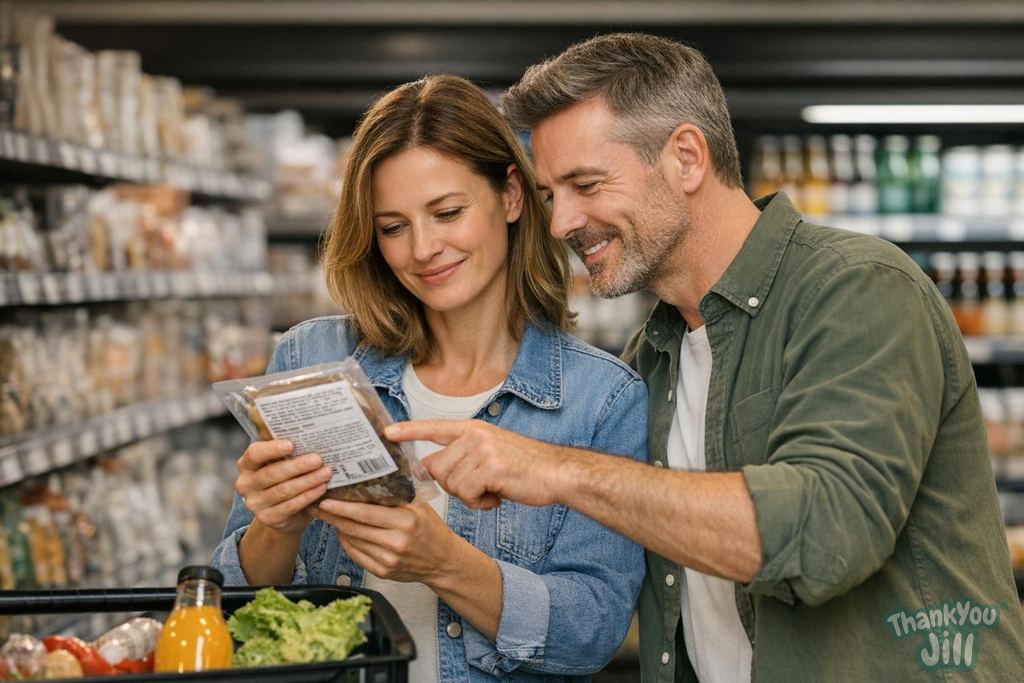
Ever read the ingredient list on a packaged product and felt like you were reading a chemistry formula? E430, E621, E951, mono and diglycerides of fatty acids—what are these? Are they harmful? Are they necessary? Food labels are often a maze designed to confuse. But with a few basic rules, you'll become capable of navigating them and making far more informed choices.
The law on additives: what European regulations say
In Europe, the use of food additives is regulated by EU Regulation 1333/2008. Only substances included on the European positive list can be used, and only in foods and at authorized doses. Additives are identified by the code "E" followed by a number. The letter E stands for Europe: it means the substance has been evaluated and authorized at the European level.
However, being authorized doesn't mean being risk-free: some additives have scientific controversies, questionable effects on specific populations (children, sensitive individuals), or simply haven't been studied enough for long-term exposure.
The most problematic additives: what to watch for in the list
Azo dyes (E102 tartrazine, E110 sunset yellow, E122 carmoisine, E124 ponceau, E129 allura red, E104 quinoline yellow): in Europe, products containing them must carry the warning "may have an adverse effect on activity and attention in children." They're associated with hyperactivity in sensitive children. Found in colored candies, soft drinks, and industrial sweets.
Nitrites and nitrates (E249, E250, E251, E252): preservatives used in processed meats and cured meats. Nitrites combine with amines present in proteins to form nitrosamines, substances classified as probable carcinogens by the IARC. Regular consumption of processed meats high in nitrites is associated with an increased risk of colon cancer. Reduce processed meats and cured products, don't eliminate them but moderate your intake.
Monosodium glutamate E621: a flavor enhancer widely used in snacks, instant soups, bouillon cubes, and ready-made foods. It's not universally dangerous, but some people report symptoms (headaches, flushing) after high consumption. Most importantly, it masks the actual quality of the product: if there's a lot of glutamate, the original raw material is often poor quality.
Sulfites (E220-E228): preservatives found in wine, dried fruit, pickles, and juices. They can trigger asthma attacks in sensitive individuals, allergic reactions, and headaches. Anyone with asthma or allergies should carefully check for their presence.
Controversial but not banned additives
BHA and BHT (E320, E321): antioxidants used in fat-based products (snacks, chips, cereals). Animal studies suggest possible carcinogenic effects at high doses. In normal human nutrition, doses are much lower, but it's reasonable to reduce your exposure.
Carrageenan (E407): a thickener used in dairy products, soups, and industrial almond milk. Studies suggest possible pro-inflammatory effects on the intestines. It's not definitively proven in humans, but some people with sensitive guts report improvements by eliminating it.
Generally safe additives
Not all additives are problematic. Vitamin C (E300, ascorbic acid): a safe antioxidant already present in many foods. Citric acid (E330): naturally present in citrus fruits, used as an acidulant. Pectin (E440): soluble fiber extracted from fruit. Sunflower lecithin (E322): a natural emulsifier. Lactic acid (E270): produced by fermentation, safe.
How to read the ingredient list like an expert
Ingredients are listed in descending order of weight. The first ingredient is present in the greatest quantity. If sugar is among the first three ingredients of a "natural" product, you're looking at a sugary product. Additives with E codes appear in the list as ingredients, not in a separate section. Don't be fooled by labels saying "no preservatives": it may be true and still contain problematic colorants or sweeteners.

Additives are invisible, unfelt, but eaten every day in small doses. Learning to read them on labels is the simplest and most concrete act of self-care you can do.
The list of additives to remember (the most important ones to avoid)
Take a photo or save these codes: E102, E110, E122, E124, E129 (azo dyes, dangerous for children); E249, E250, E251, E252 (nitrites/nitrates in processed meats); E621 (glutamate, flavor enhancer). When you see these codes in a product you give your children or eat often, think about whether an alternative without them exists.
The "fewer ingredients, the better" rule
In general, a product with fewer than five or six ingredients, all recognizable and pronounceable, is preferable to one with a list of twenty items with E codes. It's not an absolute rule, but it's a good quick filter when you're short on time at the supermarket.
Download an app to decode labels
Apps like Yuka, Open Food Facts, or TrueFood let you scan the barcode of any product and immediately receive a rating of the additives present, nutritional quality, and risk alerts. They're free, up-to-date, and very accurate. Using them while shopping, at least in the first few weeks, will quickly re-educate you to recognize the best products.
Cooking from scratch: the most radical solution
The most effective strategy to avoid additives is simple but requires some organization: cook more often from scratch with fresh ingredients. You don't need to become a chef: cooking three or four dinners a week from scratch instead of opening ready-made packages drastically reduces your exposure to additives. Start with what you already do well.
Frequently Asked Questions
Which food additives are best to avoid for children's health?
It's advisable to avoid azo dyes like E102, E110, E122, E124, and E129, as they can negatively affect activity and attention in sensitive children, causing hyperactivity.
How do you recognize the riskiest additives in the ingredient list?
Risky additives are indicated with specific E codes, such as nitrites/nitrates (E249-E252) and monosodium glutamate (E621). Check the ingredient list and prefer products with fewer additives and easily recognizable ingredients.
When is it worth using apps to decode food labels?
Using apps like Yuka or Open Food Facts while shopping is useful for quickly identifying problematic additives and assessing nutritional quality, making more informed choices easier, especially in the first few weeks of use.
How much does cooking from scratch reduce additives in your diet?
Cooking from scratch with fresh ingredients drastically reduces your exposure to additives, since packaged products often contain them. Even preparing a few dinners a week can significantly improve your diet quality.

Latest News




Comments
No comments yet. Be the first!
Leave a comment