


 Italiano
 Français
 Deutsch
 Español
 Português
 Svenska
 Suomi
Suomi
Legumes
How to Cook Them to Reduce Antinutrients
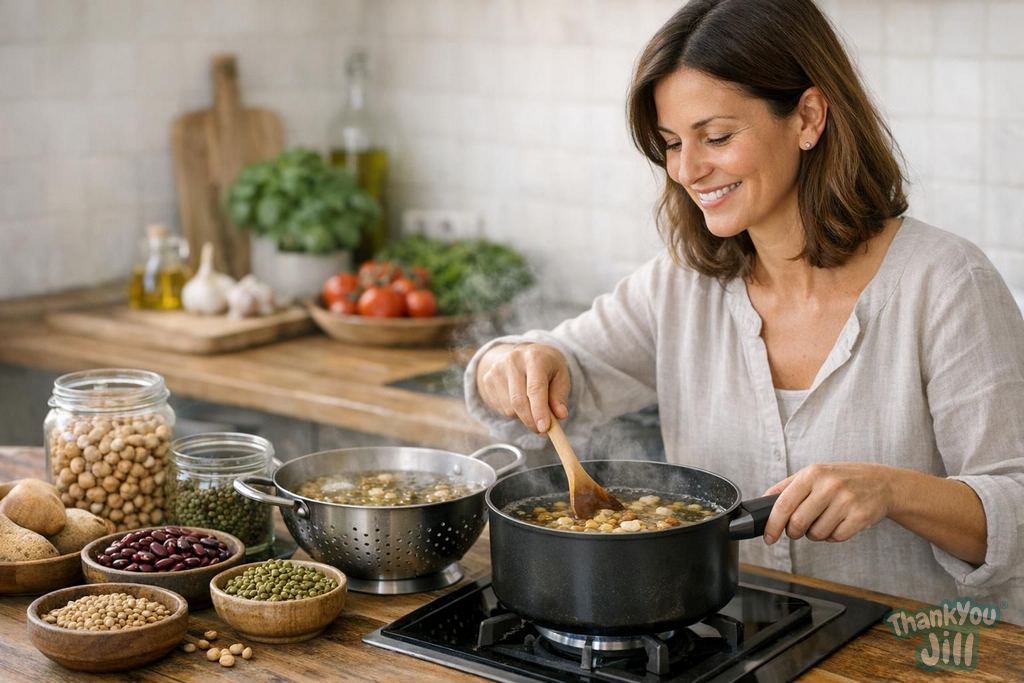
Legumes are among the most complete and sustainable foods on the planet: rich in plant-based proteins, fiber, iron, zinc, folate, and potassium. The Mediterranean diet has celebrated them for millennia as a cornerstone of nutrition. Yet many people eat them rarely for two main reasons: they cause bloating and gas, and they require preparation. Both problems are largely solvable with simple techniques that culinary tradition had already discovered intuitively.
What Are Antinutrients and Why Plants Produce Them
Antinutrients are compounds produced by plants as a defense mechanism against insects, fungi, and predatory animals. The main ones in legumes are: phytates (phytic acid), which bind minerals like iron, zinc, calcium, and magnesium, reducing their absorption; protease inhibitors (lectins), which interfere with protein digestion and can cause intestinal irritation if consumed raw in large quantities; indigestible oligosaccharides (raffinose, stachyose), fermented by intestinal bacteria with gas production (the classic cause of legume bloating); oxalates (less relevant in legumes than in spinach, but present).
Soaking: The Essential First Step
Soaking in cold water for 8-24 hours (changing the water at least once) is the most effective way to reduce antinutrients. Water activates the seed's germination processes, which includes activation of natural phytases (enzymes that break down phytates). Results: phytate reduction of 30-70% depending on duration, partial dissolution of oligosaccharides in the soaking water (which should always be discarded, never used for cooking), softening of the seed coat that facilitates cooking.
Recommended soaking times: borlotti, cannellini, and black beans: 12-24 hours. Chickpeas: 12-24 hours. Fava beans: 24 hours. Lentils and peas: 2-8 hours (much faster, many don't soak them at all). Soybeans: minimum 24 hours.
Cooking: Temperature and Time Are Everything
Always drain the soaking water and rinse thoroughly before cooking. Cook in fresh water. The soaking water contains dissolved oligosaccharides and other compounds that cause bloating: using it for cooking defeats much of the benefit of soaking.
High-temperature cooking (vigorous boiling) is essential to inactivate lectins. Raw lectins from red beans (Phaseolus vulgaris) are particularly potent: they can cause nausea and vomiting if the beans aren't cooked properly. The first 10 minutes of vigorous boiling (even in a pressure cooker, where the temperature is already higher) neutralizes lectins.
Boil vigorously for the first 10-15 minutes without a lid, then lower the heat and continue normal cooking. Add a tablespoon of vinegar or lemon juice in the final minutes: acidity further improves mineral bioavailability.
The Pressure Cooker: Your Best Legume Ally
The pressure cooker reduces cooking time by 2-3 times and increases cooking temperature (about 120°C instead of the normal 100°C of boiling). Higher temperatures more effectively destroy lectins and protease inhibitors. Legumes cooked in a pressure cooker are generally more digestible than those cooked in a regular pot. Approximate times (after soaking): chickpeas 20-25 minutes, beans 15-20 minutes, lentils 8-10 minutes.
Spices That Aid Legume Digestion
Every culture's culinary tradition has empirically developed the same solutions for legume bloating: carminative spices (which reduce intestinal gas production) added during cooking. Cumin: an excellent carminative that significantly reduces gas production. Fresh ginger: has documented digestive effects. Fennel (seeds or sprigs): traditionally used in Italian legume soups precisely for this purpose. Bay leaf: classic in Italian chickpea and bean cooking, contributes to digestibility. Asafoetida (hing): an Indian spice used almost obligatorily in dal (lentil soups): drastically reduces bloating.
Fermentation: The Advanced Step
Fermentation of legumes (as in tempeh and miso) takes antinutrient degradation to the highest level. Fermented legume flours (like Indian dosa made from fermented rice and lentils) have significantly superior nutrient bioavailability compared to non-fermented versions. Even simple sprouting of legumes (see the article on sprouts) further reduces phytates and increases vitamin C availability.

Legumes are the food of the future with the history of the past. Soaking, long cooking, and the right spices transform a difficult food into the healthiest and most sustainable pillar you can put on your plate every day.
The Complete Protocol for Bloat-Free Legumes
Step 1: soak for 12-24 hours in abundant cold water (change the water halfway through). Step 2: drain and rinse well. Step 3: cook in fresh water with bay leaf, a few garlic cloves, and a teaspoon of cumin. Step 4: boil vigorously for the first 10 minutes without a lid (for the lectins). Step 5: lower heat, cover, cook until tender. Step 6: add salt and vinegar (or lemon) only at the end of cooking (salt during cooking hardens the seed coat). Following these six steps, most people notice a significant reduction in bloating from the first preparations.
Start with Red Lentils: The Most Digestible
Hulled red lentils (without skin) are the most digestible legumes of all: the skin has already been removed (most of the oligosaccharides are concentrated there), they don't require soaking, and they cook in 15-20 minutes. They're the ideal gateway to legumes for those with sensitive digestion or unaccustomed to eating them. Indian red lentil dal with cumin and turmeric is one of the most delicious, simple, and digestible preparations that exists.
Build Your "Legume Week"
Scientific goal: at least 3-4 servings of legumes per week for benefits to your microbiome, blood sugar, and cholesterol. Keep it simple: Monday pasta with chickpeas, Wednesday lentil soup, Friday salad with white beans. Cook large quantities and freeze in portions: cooked legumes freeze perfectly for 3 months. Decide once a week (on the weekend) to cook a large batch of legumes that you'll use for multiple meals during the week.
Canned Legumes: An Acceptable Practical Solution
Pre-cooked canned or jarred legumes have already been boiled at high temperatures: lectins inactivated, cooking complete. Just drain and rinse thoroughly (the canning liquid contains high sodium and oligosaccharides released during cooking). Nutritionally comparable to home-cooked legumes, with the enormous advantage of convenience. They're not the optimal choice for reducing phytates (they lack soaking), but they're infinitely better than not eating legumes at all.
Frequently Asked Questions
What is the role of soaking in reducing antinutrients in legumes?
Soaking in cold water for 8-24 hours activates enzymes that break down phytates and partially dissolves oligosaccharides, reducing antinutrients by up to 70%. It's essential to change the water at least once and discard it before cooking to prevent bloating.
How does cooking affect the digestibility and safety of legumes?
Vigorous boiling for the first 10-15 minutes inactivates toxic lectins, especially in red beans, preventing nausea and vomiting. The pressure cooker improves digestibility by reducing cooking time and increasing temperature, more effectively destroying antinutrients like lectins and protease inhibitors.
Which spices can help reduce bloating caused by legumes?
Carminative spices like cumin, fresh ginger, fennel, bay leaf, and asafoetida reduce intestinal gas production during legume digestion, improving tolerance and digestibility when added during cooking.
Why are red lentils recommended for those with sensitive digestion?
Hulled red lentils are skinless, where fermentable oligosaccharides are concentrated, so they don't require soaking and cook quickly. They're more digestible and ideal for those starting to eat legumes or with sensitive digestion.

Latest News




Comments
No comments yet. Be the first!
Leave a comment