


 Italiano
 Français
 Deutsch
 Español
 Português
 Svenska
 Suomi
Suomi
Energy Drinks
Real Risks for Teens
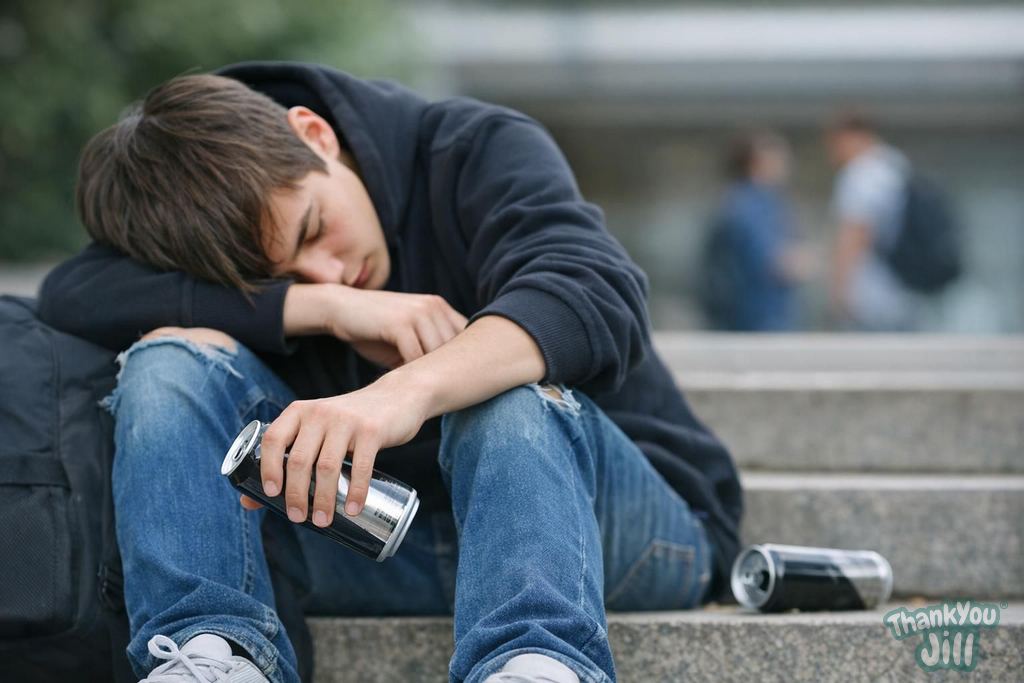
Energy drinks (Red Bull, Monster, Rockstar, and dozens of variants) have become the preferred beverages of many European adolescents. In Italy, consumption among 15-19 year-olds has increased by 40% over the past five years. Marketing is aimed with surgical precision at teenagers: sponsorships of esports, music events, and content creators. The problem is that these products contain doses of caffeine and other stimulants far exceeding those found in coffee—and in a teenage body that is biologically far more sensitive to caffeine's effects than adults are.
What's in an energy drink: the composition
A standard 250 ml energy drink can typically contains: 80 mg of caffeine (equivalent to a double Italian espresso), 1,000 mg of taurine (an amino acid with cardiovascular effects), 27g of sugar (regular version) or artificial sweeteners (sugar-free version), vitamin B12, B6, niacin (in very high doses, used as "functional" ingredients), inositol, and glucuronolactone. Large versions (500 ml) double these amounts. "Super energy drinks" (some 500 ml products with high-concentration formulations) can contain up to 200-300 mg of caffeine per can.
Specific risks for adolescents
The teenage brain is more vulnerable to caffeine for several reasons: adenosine receptors (where caffeine acts) are still developing and remodeling during adolescence, the prefrontal cortex (the impulse control center) isn't fully developed yet (complete around age 25), and the dopaminergic system is in a phase of greater plasticity (substances that activate it create stronger effects and dependence more easily). Documented consequences in adolescents who regularly consume energy drinks include: sleep disturbances (caffeine's half-life is 5-7 hours: a can in the afternoon interferes with sleep), increased anxiety and anxious symptoms, recurring headaches, tachycardia and palpitations, elevated blood pressure (even in those with normal baseline), and irritability with difficulty regulating emotions.
Energy drinks and alcohol: the dangerous combination
The combination of energy drink + alcohol (widely practiced among adolescents and young adults at parties) is the most concerning from a safety standpoint. Caffeine masks alcohol's sedative effects: the teenager feels less drunk and tends to drink more. Caffeine does NOT reduce blood alcohol level: the alcohol in the blood is the same, but the sensation of intoxication is dampened. The result: greater alcohol consumption, driving with a higher blood alcohol level than perceived, and increased accidents. American studies show that those who mix energy drinks and alcohol are 3 times more likely to drink beyond safe limits compared to those who drink alcohol without energy drinks.
The position of health authorities
The EFSA (European Food Safety Authority) in its 2015 opinion concluded that: caffeine at 3 mg per kg of body weight per day (approximately 200 mg for a 70 kg adult) is safe. For children and adolescents, the safety threshold is much lower: it did not identify a safe level for minors. Most European countries have restrictions on selling energy drinks to minors. In Italy, sales to those under 16 are prohibited for products with more than 150 mg of caffeine per liter. Many Northern European countries have set the limit at 18 years for any energy drink.
"Sports" energy drinks: marketing confusion
There's an important distinction between energy drinks (caffeine + taurine + stimulants) and sports beverages (Gatorade, Powerade: water + carbohydrates + electrolytes). Sports drinks contain no caffeine and have a specific purpose (replacing fluids and electrolytes during prolonged exercise). Many teenagers confuse the two because of similar marketing. Standard sports drinks aren't necessary for most sports teenagers play (less than 60-90 minutes): water is enough. Energy drinks are never appropriate before, during, or after physical activity: caffeine increases dehydration and the risk of arrhythmias under cardiovascular stress.

An energy drink doesn't give you energy: it tricks your brain into not feeling tired. Then the fatigue hits all at once when the caffeine wears off, sleep suffers, and anxiety increases. The cycle feeds itself. Real energy comes from sleep, food, and exercise—not from a colorful can with wings.
How to convince a teenager to quit energy drinks
Prohibitions without explanation don't work with teenagers. What works better: show them the data (caffeine content compared to an Italian espresso, visualized concretely), connect it to their goals (if they play sports: "excess caffeine reduces sleep quality and muscle recovery"; if they study: "it interferes with REM sleep that consolidates memory"), and offer alternatives that actually work (matcha green tea: caffeine + L-theanine = energy without anxiety, water with lemon and mint for freshness, regular espresso if they're already a caffeine user).
If your teen regularly consumes energy drinks: how to reduce them
Abruptly cutting caffeine causes withdrawal headaches: explain this to your teen before starting the reduction so they don't interpret it as proof they "need it." Reduction plan: reduce by 25% each week. From one can a day to 3/4, then 1/2, then 1/4, then zero in a month. Gradually substitute with green tea or matcha: the same stimulating beverage experience but with L-theanine that reduces anxiety and much more moderate caffeine doses.
Alternatives to energy drinks for teen energy
The chronic fatigue many energy-drink-consuming teenagers experience is often a cycle: energy drinks interfere with sleep, lack of sleep increases fatigue, fatigue leads to consuming more energy drinks. Break the cycle from the top: regular sleep (9 hours, same time every day including weekends), protein-rich breakfast (prevents morning energy crashes), plenty of water (mild dehydration causes fatigue), regular physical activity (increases available energy over time), and a break from social media at least 1 hour before bed (blue light delays sleep).
Frequently Asked Questions
What are the main health risks for adolescents who regularly consume energy drinks?
Adolescents who regularly consume energy drinks can develop sleep disturbances, increased anxiety, recurring headaches, tachycardia, palpitations, elevated blood pressure, and difficulty regulating emotions due to the high caffeine and stimulants present.
Why is it dangerous to mix energy drinks with alcohol at parties?
The caffeine in energy drinks masks alcohol's sedative effects, making people feel less drunk. This leads to drinking more, increasing the risk of accidents and dangerous behavior, since blood alcohol level remains unchanged.
How can you gradually reduce energy drink consumption in a teenager without causing withdrawal effects?
Reduction should be gradual, decreasing consumption by 25% each week to avoid withdrawal headaches. It's recommended to progressively substitute with green tea or matcha, which contain moderate caffeine and L-theanine, reducing anxiety and dependence.
What's the difference between energy drinks and sports beverages, and why aren't energy drinks suitable during physical activity?
Sports beverages replenish fluids and electrolytes without caffeine, while energy drinks contain caffeine and stimulants that increase dehydration and the risk of arrhythmias. For this reason, energy drinks are not recommended before, during, or after physical activity.

Latest News




Comments
No comments yet. Be the first!
Leave a comment