


 Italiano
 Français
 Deutsch
 Español
 Português
 Svenska
 Suomi
Suomi
First Menstrual Cycles
Iron and Essential Nutrients
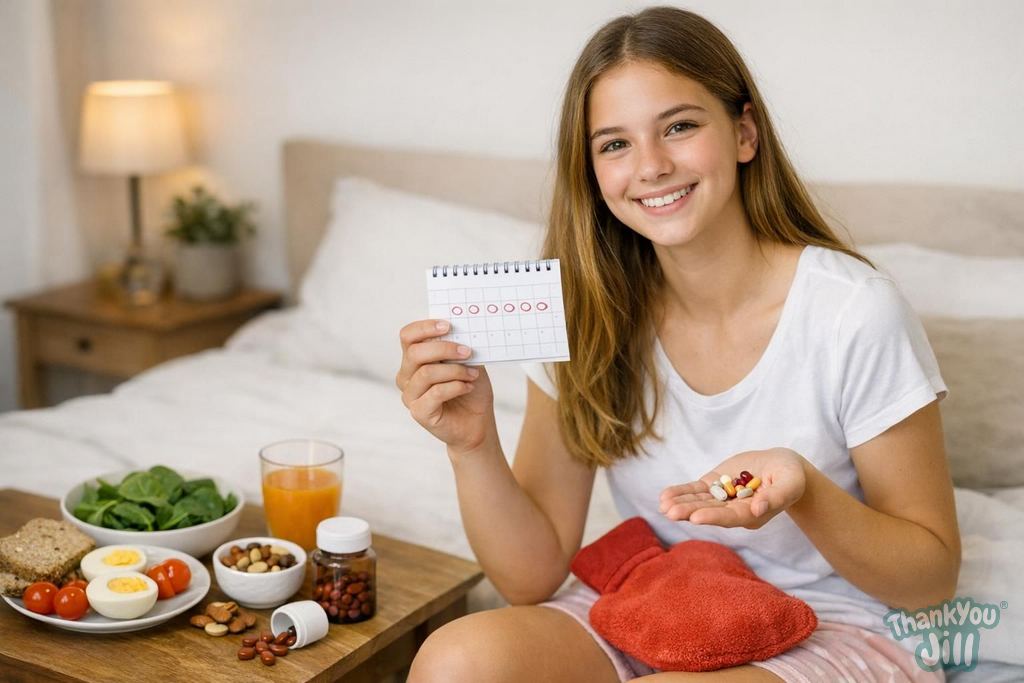
Menarche (first menstrual period) represents a nutritional turning point in a girl's life. From that moment on, monthly blood loss creates a recurring iron demand that adds to the already increased needs of adolescent growth. It's no coincidence that iron-deficiency anemia is so common in girls and young women: menarche occurs precisely during the period of most intense growth, creating a double iron demand that the typical adolescent diet—poor in meat and legumes, rich in refined grains—struggles to meet.
Iron after menarche: the numbers behind the demand
Iron requirement before menarche (girls 9-13 years): 8 mg per day. After menarche (girls 14-18 years): 18 mg per day—more than double. For comparison: a menstruating teenage girl has higher iron needs than an adult man (8 mg) and similar to a pregnant woman (27 mg in advanced trimesters). Monthly menstrual losses correspond to approximately 15-30 mg of iron per month (varying based on flow volume: heavy flow can result in losses of 50-80 mg per month). With a diet low in bioavailable iron and heavy cycles, the equation almost inevitably leads to anemia.
Anemia symptoms in adolescents: often unrecognized
Iron-deficiency anemia in adolescents often develops gradually, and symptoms get attributed to other causes. Common symptoms: persistent fatigue that doesn't improve with rest (often blamed on "school stress"), difficulty concentrating at school (often attributed to distraction or laziness), pale skin and mucous membranes (not always obvious in darker skin), reduced athletic performance (the sports team notices before the family does), recurring headaches, brittle hair and nails, cravings for ice or non-food items (pica: a classic sign of severe iron deficiency). Check a complete blood count plus ferritin at the first period and then annually in menstruating adolescent girls.
How to meet the 18 mg daily iron requirement through diet
Meeting 18 mg of iron daily requires careful planning, especially for girls who eat little meat. Optimal daily combination: breakfast with iron-fortified cereals (many whole grain cereals and some specifically fortified) plus orange juice (vitamin C for absorption). Lunch with legumes (lentils: 3.3 mg per 100g cooked, beans: 2.2 mg per 100g) plus bell pepper or tomato. Dinner with lean red meat 2-3 times a week (beef: 2.6 mg of heme iron per 100g, chicken liver: 9 mg per 100g, the most practical food source). For vegetarian girls: pumpkin seeds (8.8 mg per 100g), cooked spinach (3.6 mg per 100g, but with low bioavailability without vitamin C), tofu (5.4 mg per 100g), quinoa (1.5 mg per 100g). Golden rule: every plant-based iron source paired with vitamin C.
Premenstrual symptoms and nutrients that reduce them
Menstrual pain (primary dysmenorrhea) affects 50-90% of adolescent girls and is the most common cause of school absence in teenagers. Mechanism: prostaglandins (especially PGE2 and PGF2α) cause painful uterine contractions. Diet can influence prostaglandin production. Omega-3 (EPA): antagonizes pro-inflammatory prostaglandin production. Clinical studies show 30-40% reduction in menstrual pain with omega-3 supplementation. Magnesium (300-400 mg daily): reduces uterine smooth muscle spasms. Studies show pain reduction and decreased pain reliever use with magnesium. Vitamin D: low vitamin D levels are associated with greater dysmenorrhea. Vitamin B1 (thiamine 100 mg daily): a 2014 study showed 95% reduction in menstrual pain with thiamine.

Menarche isn't just the beginning of fertility: it's the start of a new nutritional equation. The iron that the cycle takes away each month must return to the plate. Feeling a bit tired isn't enough: low ferritin in adolescents is a silent epidemic that compromises school, sports, and daily wellbeing. Check, correct, maintain.
The nutritional check-up at menarche: what to measure
At the appearance of the first periods (within 6 months): visit with a pediatrician or pediatric gynecologist. Recommended blood tests: complete blood count (hemoglobin, hematocrit, red blood cells), ferritin (iron reserves: caution threshold below 30 ng/ml), vitamin D (supplement if below 30 ng/ml), vitamin B12 (especially if vegetarian). These tests, done once yearly, allow you to catch iron deficiency before it becomes full-blown anemia. Ferritin drops before hemoglobin: waiting for anemia means waiting too long.
The anti-anemia meal plan for adolescents
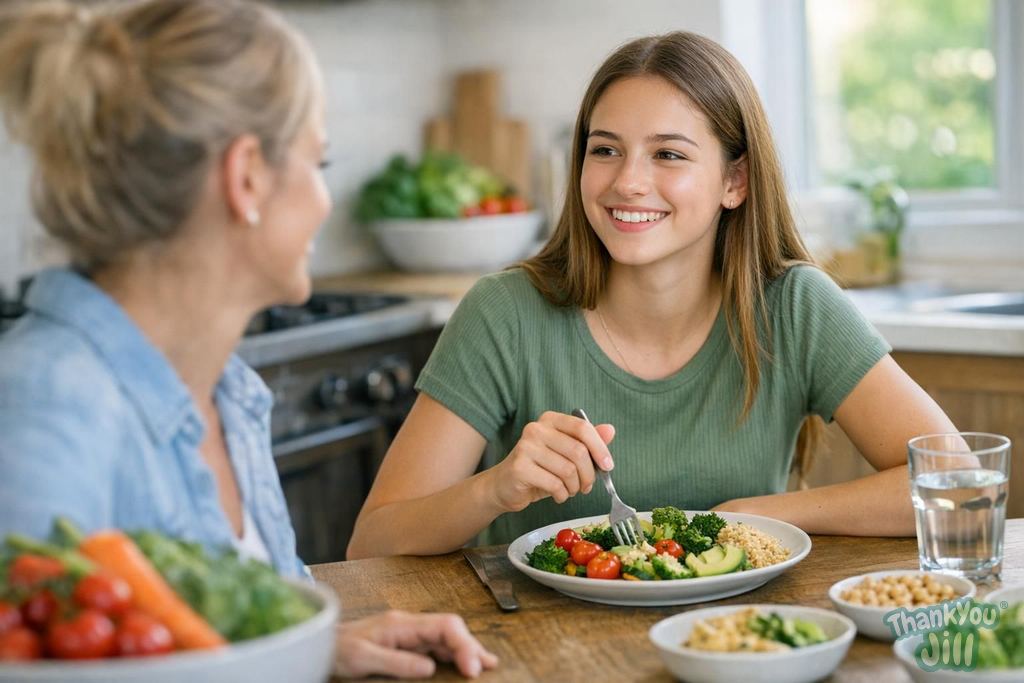
Breakfast every day: whole grains or oatmeal plus orange juice or fruit rich in vitamin C. Lunch: legumes at least 3 times a week with vitamin C-rich vegetables. Dinner: lean red meat 2-3 times a week, chicken liver at least once every 2 weeks. Snack: pumpkin seeds (iron plus zinc), marinated tofu. No tea or coffee within 60 minutes around main meals (tannins reduce iron absorption). With this plan, a girl of normal weight without heavy cycles can meet the 18 mg daily iron requirement through diet alone.
Heavy cycles and anemia: when supplementation is needed
If the cycle is heavy (changing pads every 1-2 hours for more than 2 days, presence of large clots, cycle lasting more than 7 days): iron losses can be so high they can't be compensated by diet alone. In these cases: gynecological evaluation to rule out organic causes (polyp, fibroid, clotting problems), discussion with your doctor about iron supplementation (ferrous sulfate, ferrous gluconate, or ferrous bisglycinate: the latter has fewer gastrointestinal side effects). Iron should only be supplemented on medical prescription with a diagnosis of deficiency: not self-prescribed.
Frequently Asked Questions
How can you tell if a teenage girl has iron-deficiency anemia related to her menstrual cycle?
Common symptoms include persistent fatigue, difficulty concentrating, paleness, reduced athletic performance, recurring headaches, and cravings for ice (pica). It's important to check a complete blood count and ferritin at the first period and annually for early diagnosis.
What's the difference in iron requirements before and after menarche?
Before menarche, iron requirement is about 8 mg per day, while after menarche it rises to 18 mg per day—more than double—due to monthly blood loss and adolescent growth, making a diet richer in iron necessary.
How do you choose the right foods to prevent anemia in girls with menstrual cycles?
It's essential to combine heme iron sources (lean red meat, liver) with plant-based iron sources (legumes, pumpkin seeds, tofu) always accompanied by vitamin C to improve absorption, avoiding tea and coffee near meals.
When is iron supplementation advisable for heavy menstrual cycles?
If the cycle is heavy (pads changed every 1-2 hours for more than 2 days, large clots, duration over 7 days), iron losses can exceed dietary intake. In these cases, medical evaluation is needed to supplement iron by prescription, avoiding self-administration.

Latest News


Comments
No comments yet. Be the first!
Leave a comment